Plant Disease Management Handbook

PNW Plant Disease Image

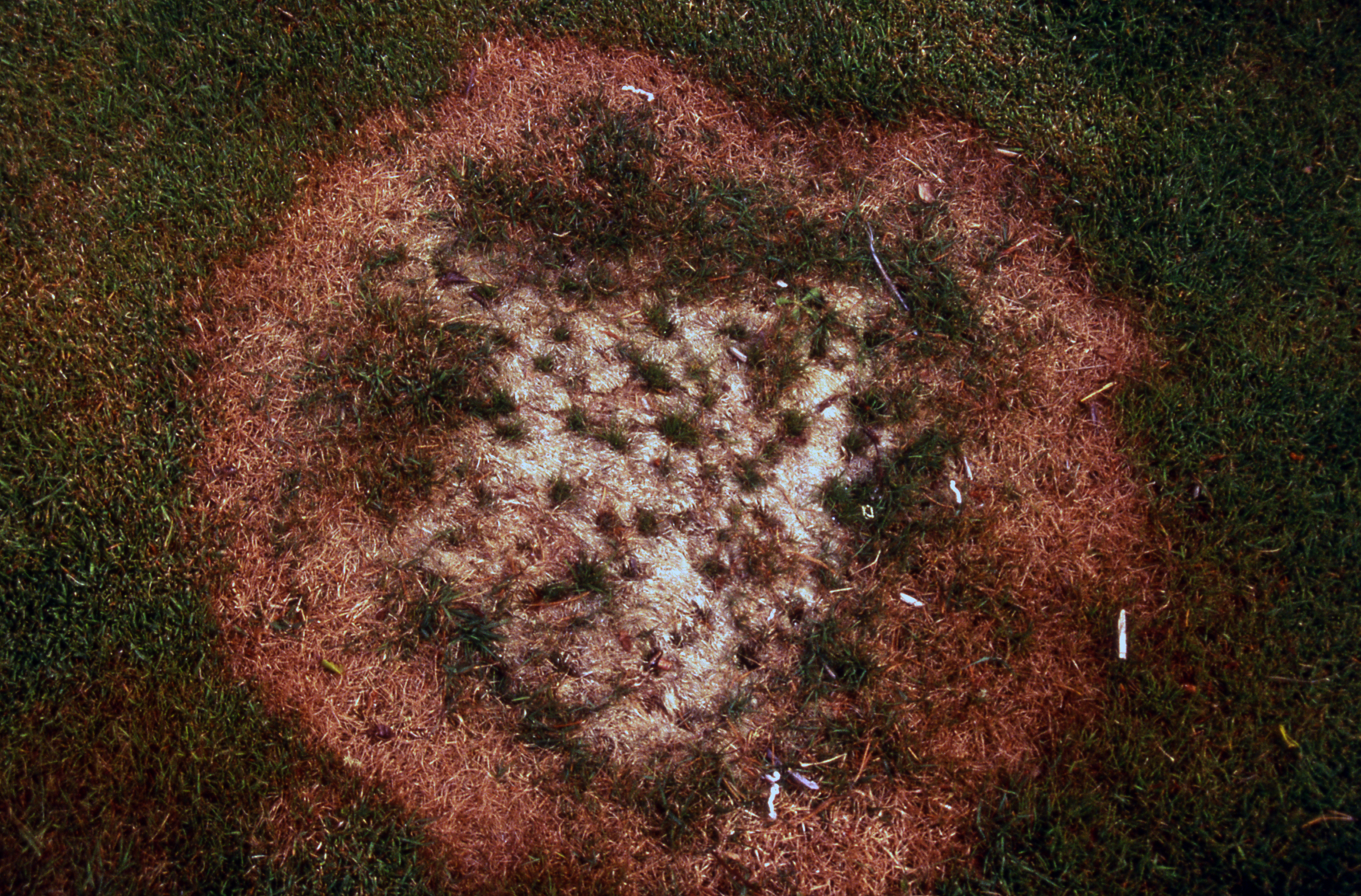
Hosts Turf with strong rhizomatous-growth habit such as Kentucky bluegrass and fine fescue.

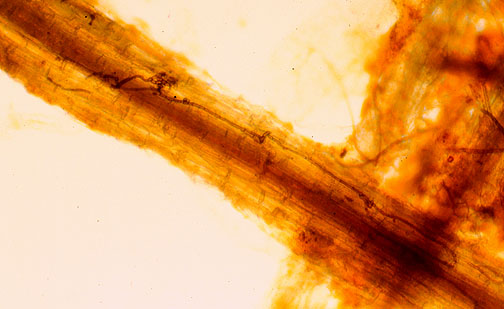
Image related to Lawn and Turf-Necrotic Ringspot

Hosts The disease is worse on annual bluegrass and tall fescue. Bentgrass, fine fescues, Kentucky bluegrass, and ryegrass (under high fertility) also can be infected but to a lesser degree.

See:

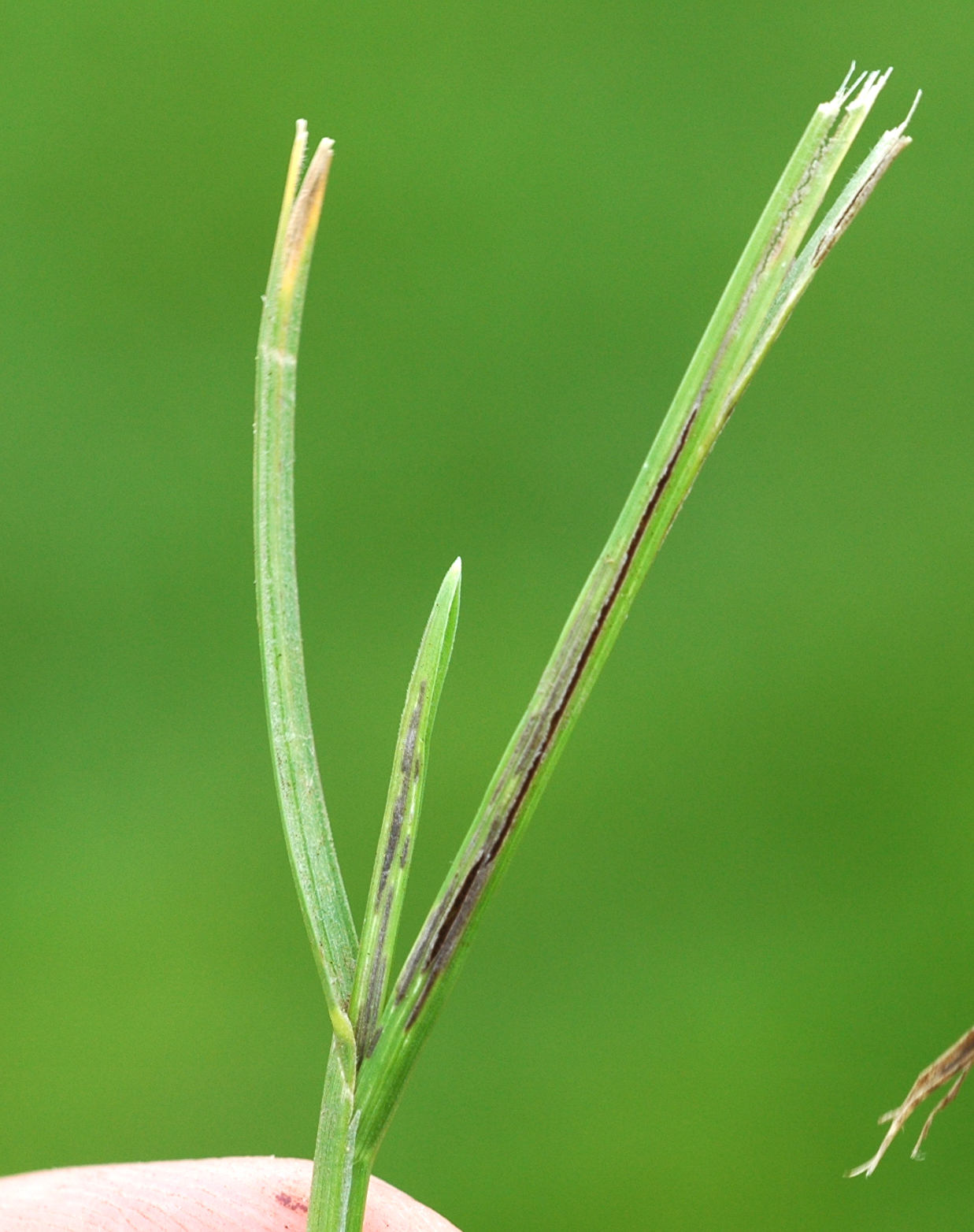
Hosts Kentucky and other bluegrasses and perennial ryegrass.

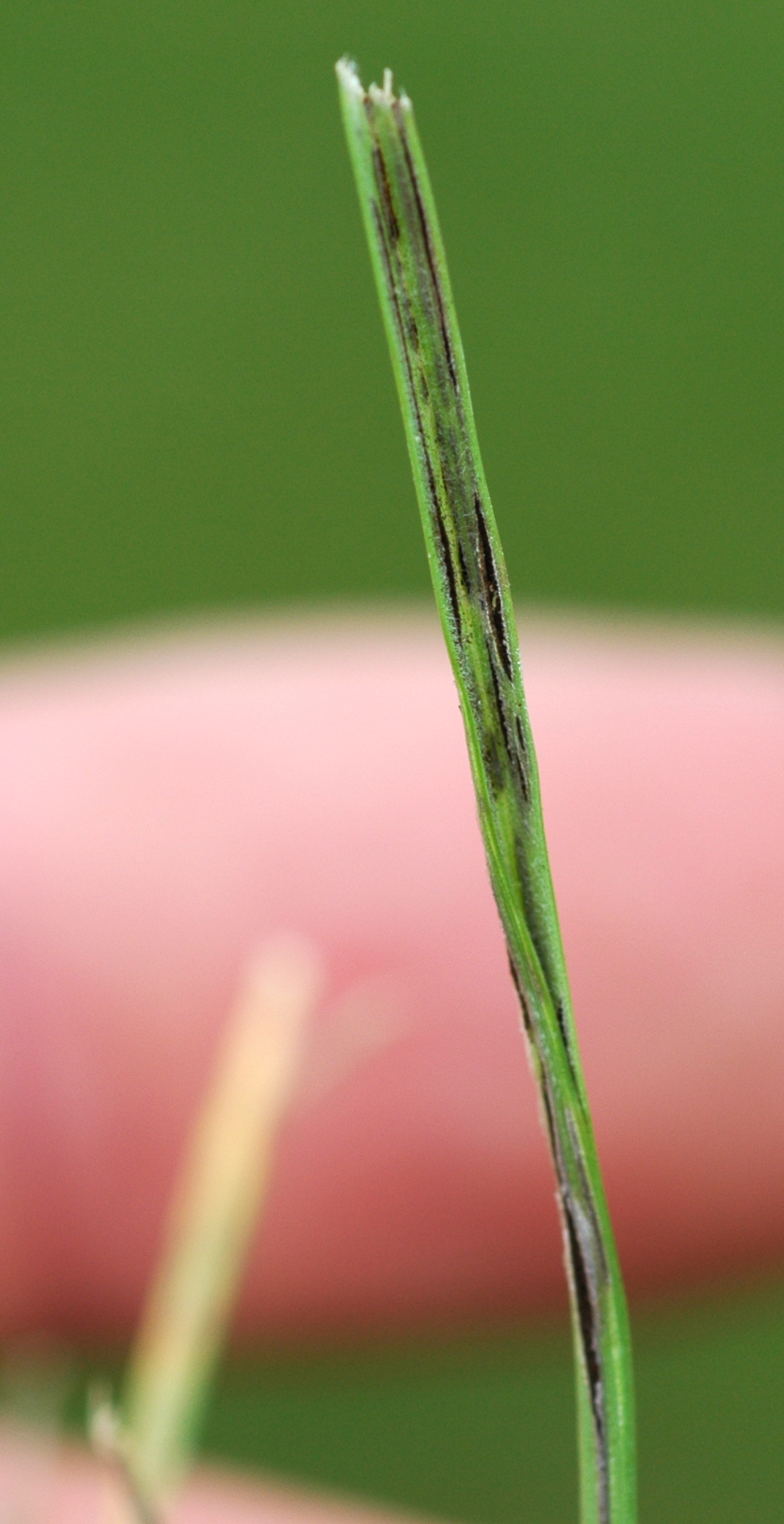
Image related to Lawn and Turf-Leaf Spot

Cause Nearly 60 different species of basidomycete fungi have been implicated in fairy rings including species of Agraricales and Gastromycetales, mostly in the genera Agaricus, Calvatia, Chlorophyllum, Clitocybe, Lepiota,

Image related to Lawn and Turf-Fairy Ring and Mushrooms

Hosts Most grass species are susceptible.

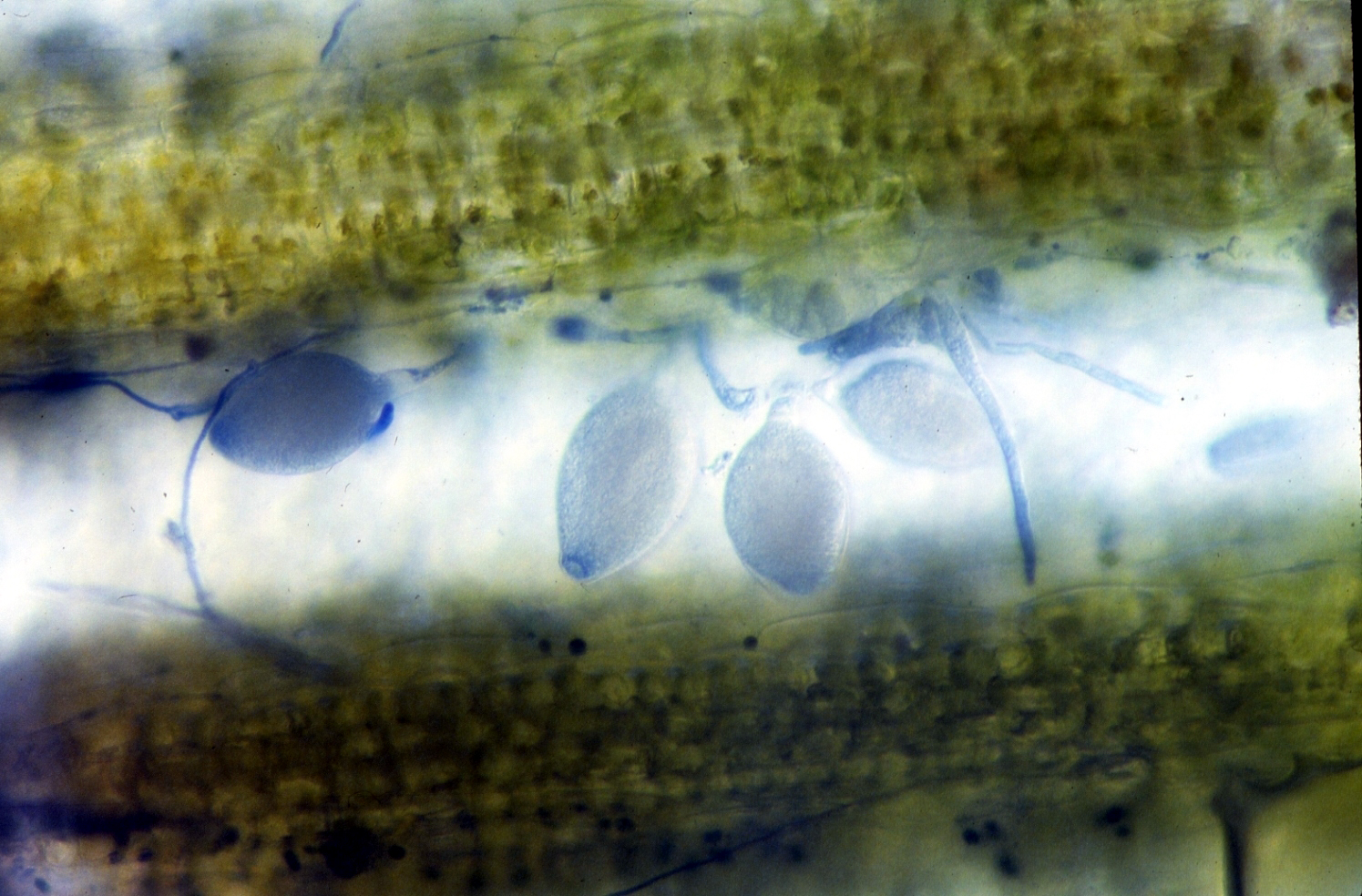
Cause Spores of the fungus-like organism Sclerophthora macrospora move via free water. The disease usually is associated with poorly drained or overwatered areas.

Hosts Many cool-season species but a real problem on creeping bentgrass maintained at putting green or fairway height. This pathogen is also observed on annual bluegrass and perennial ryegrass, but to a much lesser extent.

Hosts Kentucky bluegrass is more sensitive than other types.

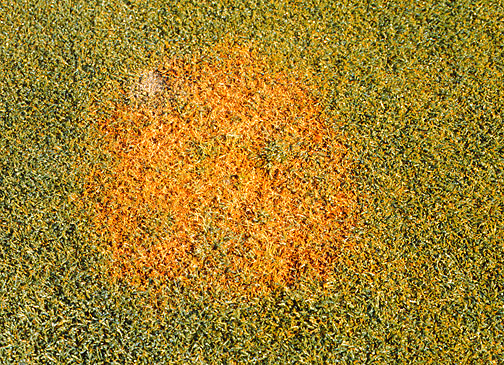
Image related to Lawn and Turf-Dog Injury