Plant Disease Management Handbook

Image related to Petunia (Petunia spp.)-Viruses

Cause Sclerotinia sclerotiorum, a fungus that produces hard, black sclerotia, which can survive many years in soil. Sclerotia germinate to form hyphae that may attack plant stems and roots or produce apothecia that contain sexual dispersal spores in the spring. Spores may come in from nearby vegetable fields with the same disease. The disease develops in cool, wet conditions and is more prevalent when plants form a complete, compact canopy that holds high relative humidity.

See:

Symptoms Yellow, white, or brown spots are often observed with a brown border. Less frequently seen are mottle or mosaic symptoms. The cultivars Calypso, Summer Madness, and Super Blue Magic are good indicators of both tomato spotted wilt virus and impatiens necrotic spot virus.

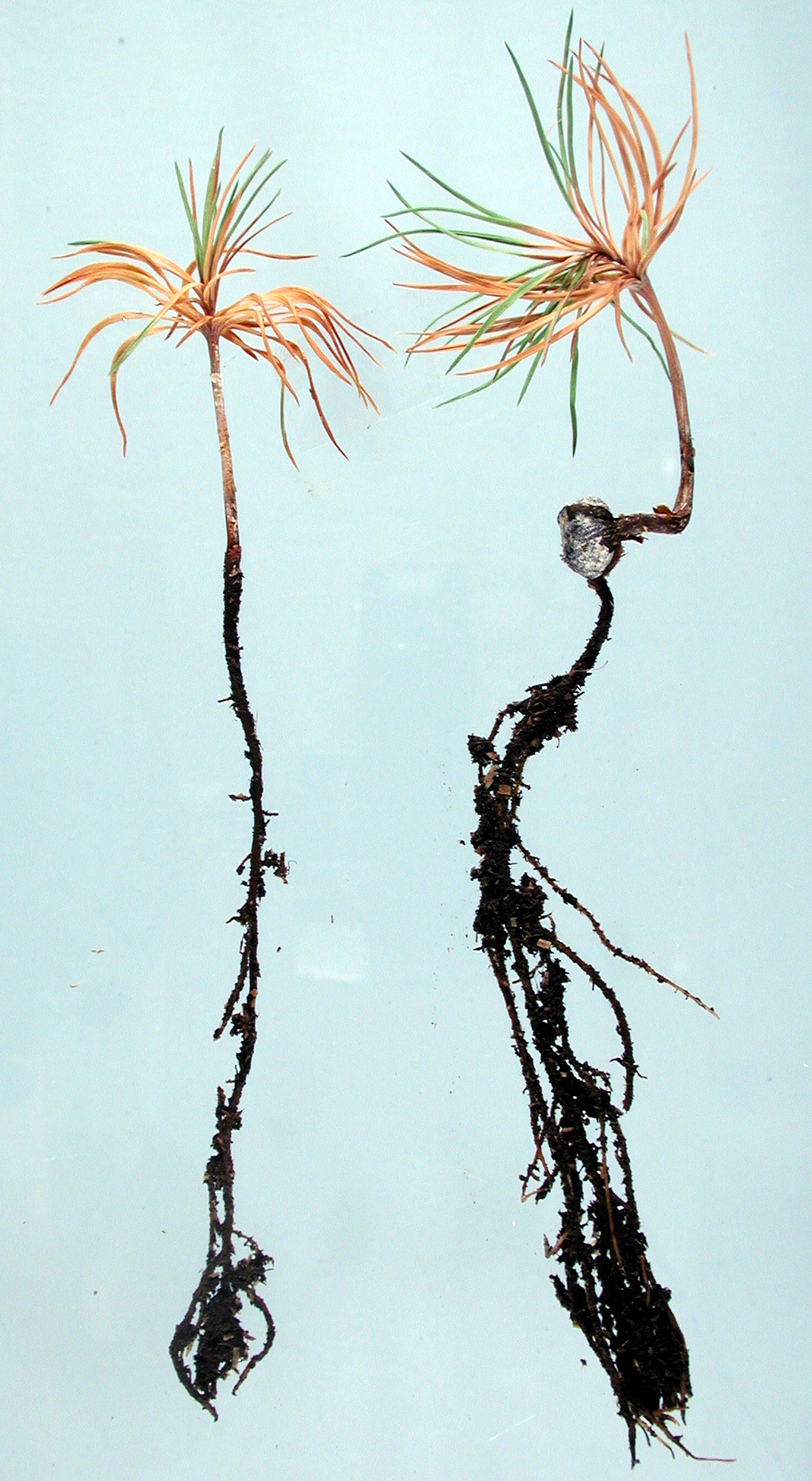
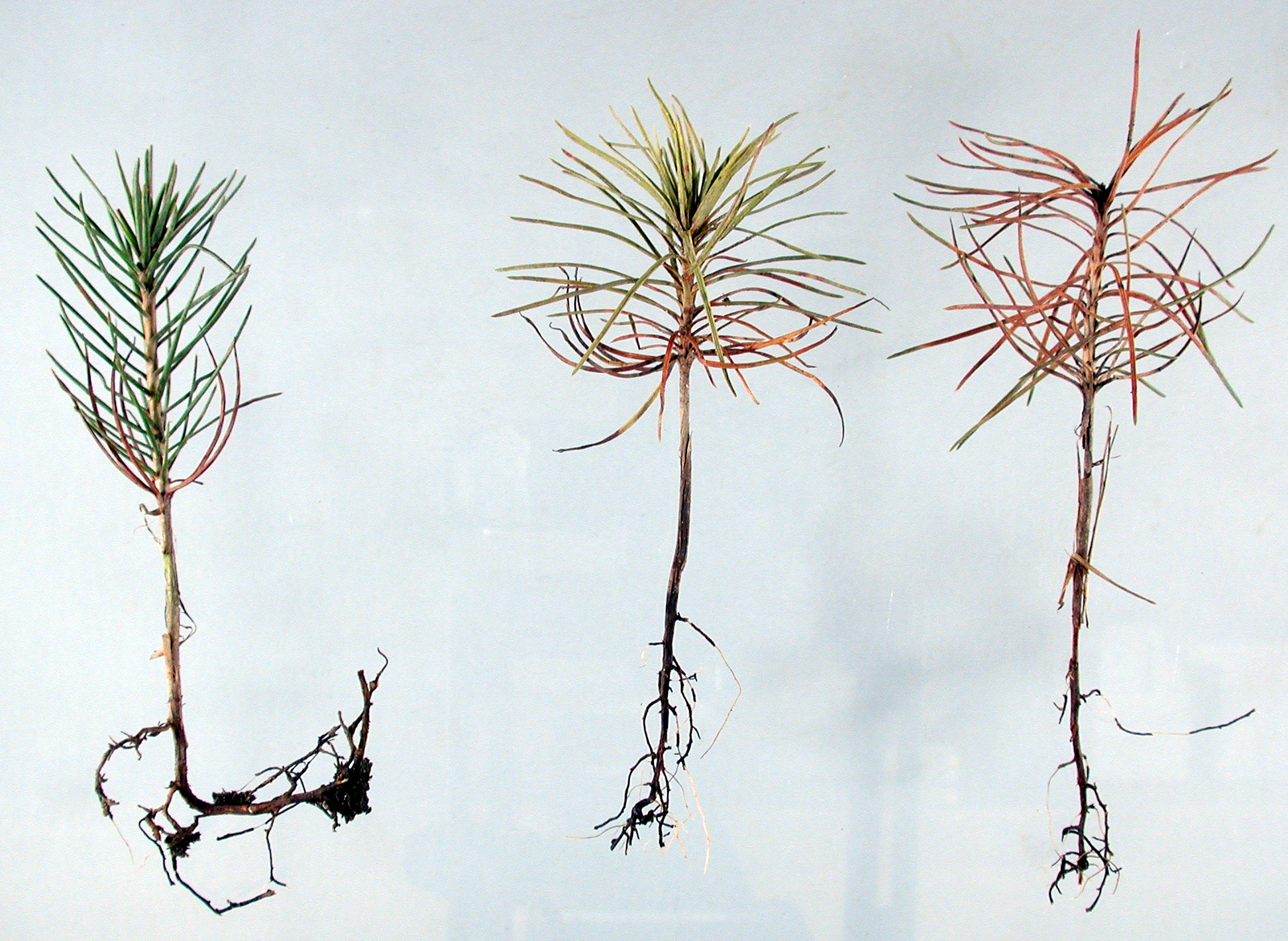
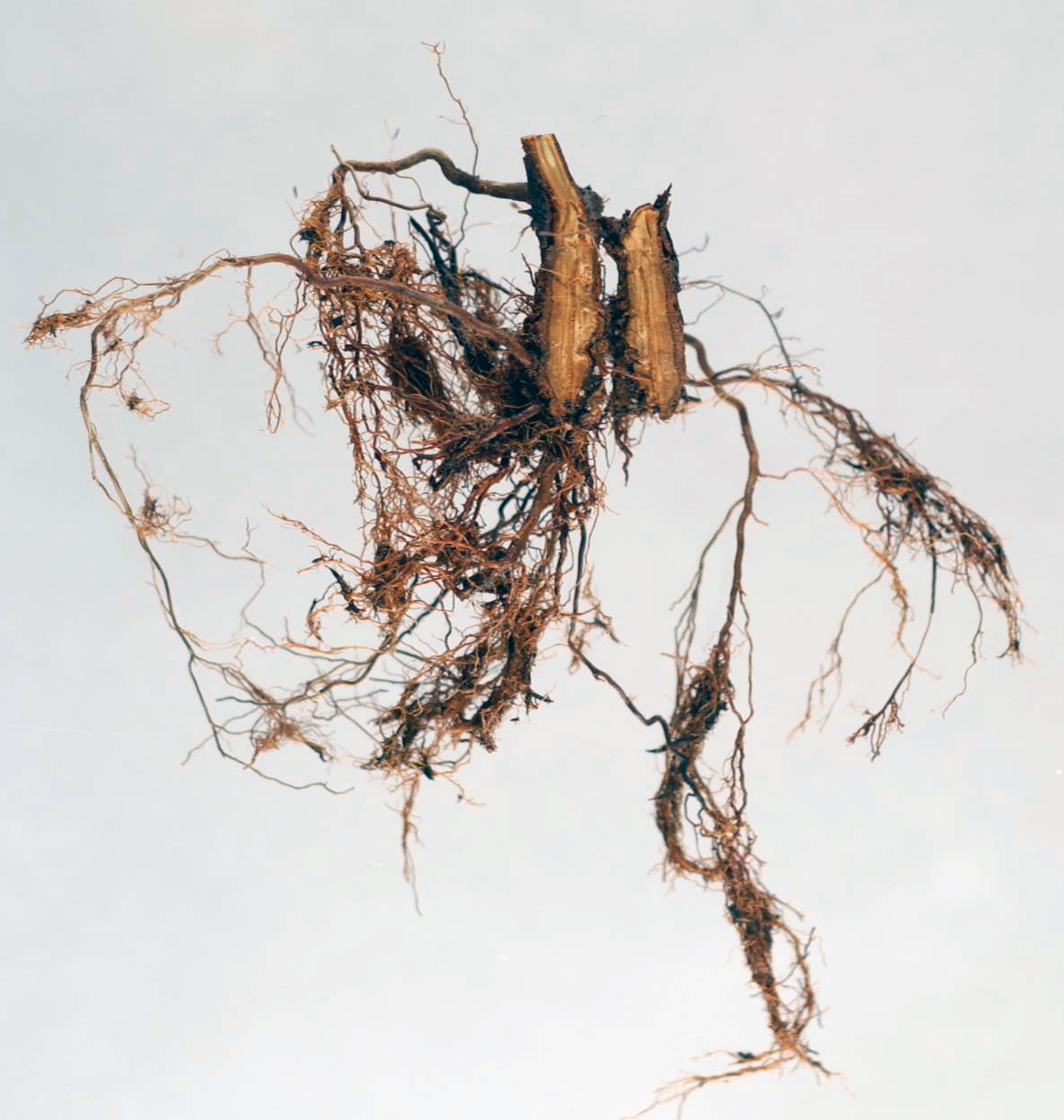
Cause Damping-off refers to a disease that develops on the seed, radicle, hypocotyl, epicotyl, or stem of an emerged seedling. Damping-off is caused by the organisms Pythium spp., Rhizoctonia solani, and Fusarium spp. These organisms also can cause stem lesions and root rot of older plants.

Image related to Petunia (Petunia spp.)-Botrytis Blight

Cause Golovinomyces cichoracearum (formerly Erysiphe cichoracearum) has been reported in Washington, and Podosphaera fusca (formerly Sphaerotheca macularis) has been reported in Washington and Idaho. The classification in the rest of the world has Podosphaera pericallidis. The fungi are favored by conditions that produce high humidity but dry leaves.