Plant Disease Management Handbook

Cause Diplodia sapinea (formerly Sphaeropsis sapinea), a fungus. Has become more of a problem in Idaho and Oregon on ponderosa pine. Also is a problem on Austrian, Scots, red, and mugo pine. The disease normally does not kill trees but allows other organisms (such as pine beetles) to gain entry, which may kill the tree. Generally a problem on older trees. Trees that are stressed because of poor site, drought, snow damage, or insect activity are very susceptible.

Image related to Pine (Pinus spp.)-Sirococcus Shoot Blight

Cause Salt damage to shore pine is a common phenomenon along the coast in certain years. Violent storms and high winds along the coast pick up salt spray (usually in winter) and can blow this inland a considerable distance. Salt interferes with normal biological function of the needle and will kill part or all of a shore pine needle.

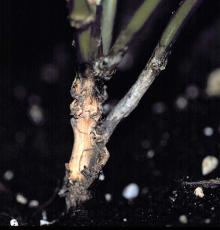
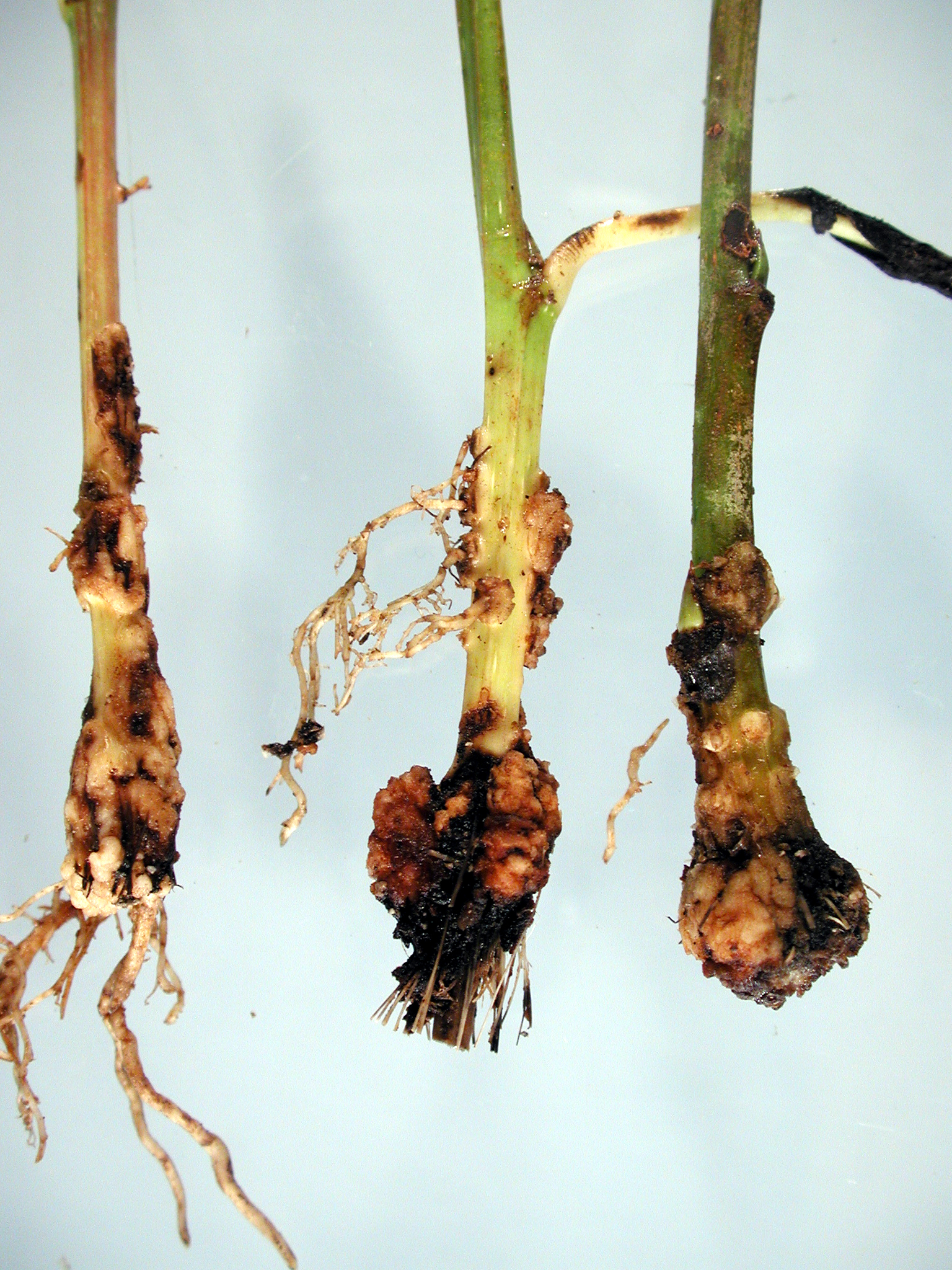
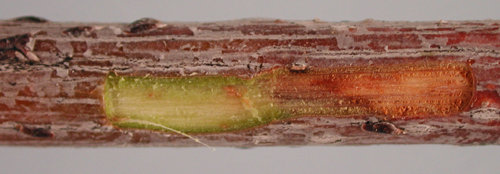
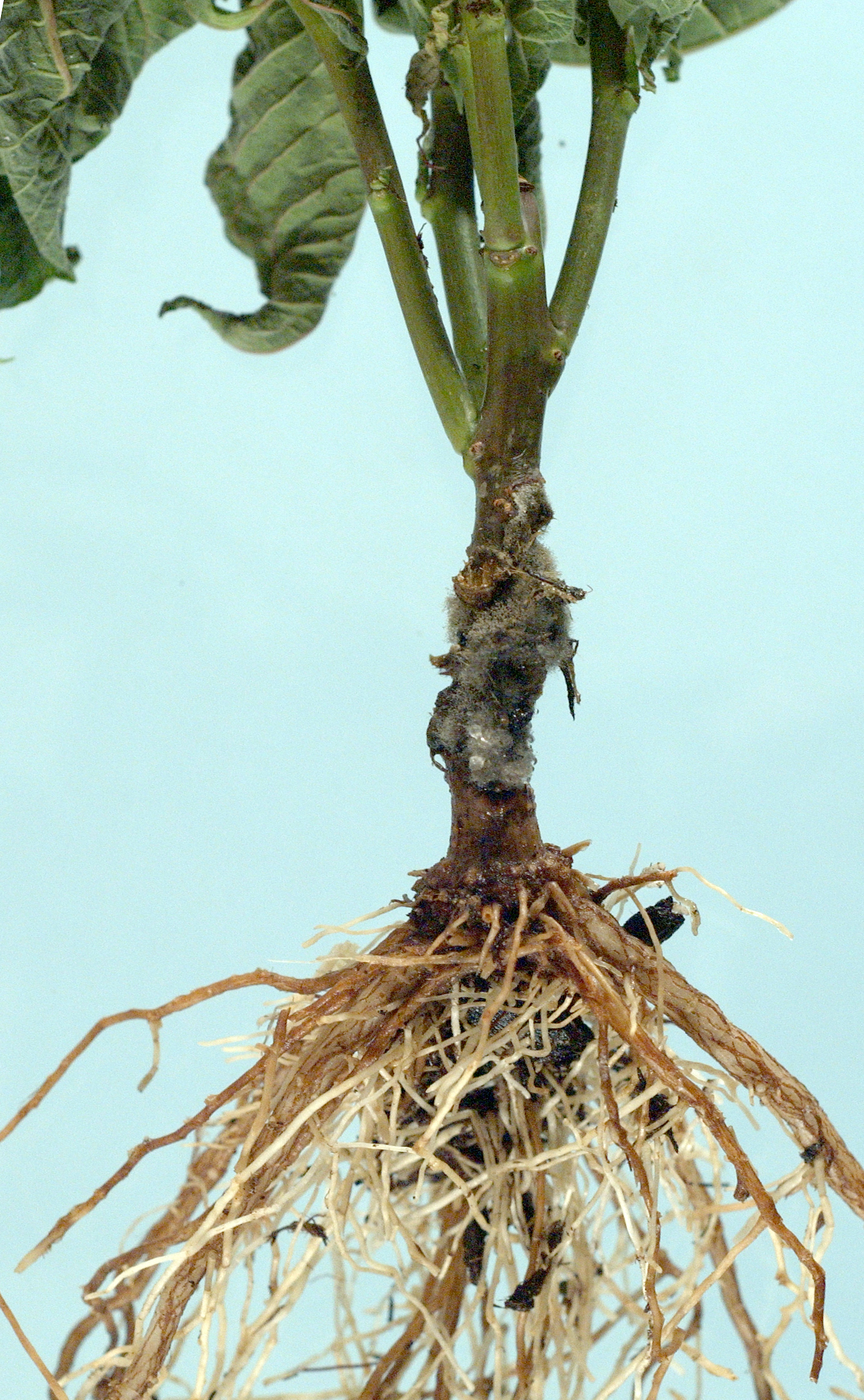
Cause The fungus-like organisms Phytophthora cinnamomi and P. citricola have been found by the OSU Plant Clinic. P. cactorum has been isolated from western white pine seed trees in northern Idaho. Root rot is a problem when trees are planted in containers or planted in areas with poor drainage or where flooding occurs. It is mainly a problem in nurseries that use overhead irrigation during the growing season.

Image related to Pine (Pinus spp.)-Root Rot (Phytophthora spp.)
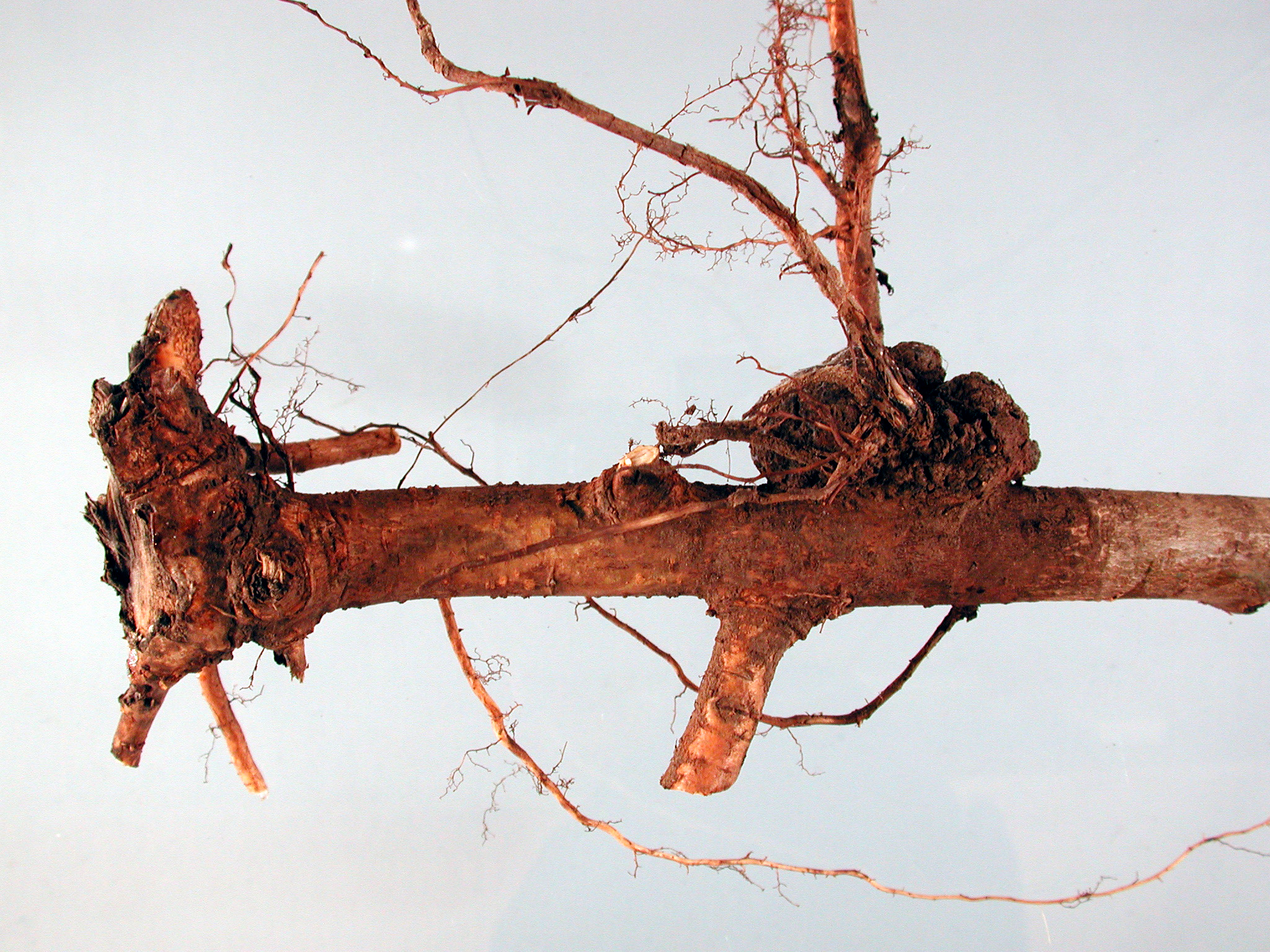
Image related to Pine (Pinus spp.)-Root Rot (Armillaria solidipes)

Cause This disease involves complicated interactions between a pathogenic nematode (Bursaphelenchus xylophilus, the pine wood nematode), its vector beetle, host pine species, and fungi in the dead tree. Pathogenicity of the pine wood nematode is determined not only by its physical and chemical traits but also by its behavioral traits. The pine wood nematode is known to infest many species of Pinus, with Austrian pine (P.

Image related to Pine (Pinus spp.)-Pine Wilt

Cause Three rust fungi have been reported: Coleosporium asterum on lodgepole (alternate hosts such as aster and goldenrod) from Washington; C. pacificum (alternate host, tarweed) from Oregon; and C. jonesii (alternate host, Ribes spp.) from Idaho. Generally, basidiospores infect pines in late summer to early fall. Aeciaspores are produced in the spring and infect the alternate host.

Cause Davisomycella medusa, a fungus. The disease is on lodgepole, Jeffery, and ponderosa pine. It is prevalent in pure open stands east of the Cascade Range and is more intense after a drought. Spores disperse in summer and fall and infect current-season needles. Symptoms occur after a 2- to 4-year latent period.

Cause Lophodermium spp. Nineteen species, mostly host-specific, are in the Pacific Northwest. L. seditiosum is the main problem and occurs on Scots (Scotch) pine, infecting current-season needles, which may be killed by the next season. Wet weather and poor air circulation, which keep foliage wet, favor disease development. These fungi are variable enough that some viable fruit bodies are available for a low level of spore production all year long.

Image related to Pine (Pinus spp.)-Lophodermium Needle Cast

Cause Lophodermella spp. Four species cause forest problems on lodgepole, ponderosa, and white pine. Lophodermella concolor and L. morbida occasionally are found on ornamentals. L. arcuata on white, whitebark, and limber pine; and L. concolor on lodgepole pine, L. montivaga on lodgepole pine and L.

Image related to Pine (Pinus spp.)-Lophodermella Needle Cast