Plant Disease Management Handbook

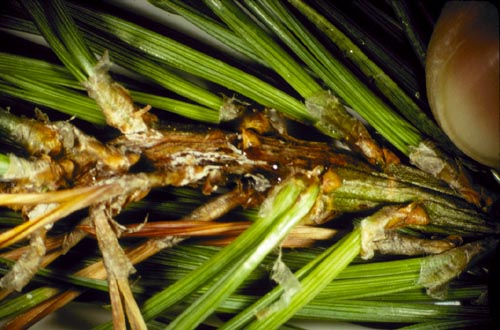
Image related to Pine (Pinus spp.)-Gray Mold

Cause The fungus Elytroderma deformans is a serious needle cast of ponderosa and Jeffrey pine. Hosts also include Coulter, knobcone, lodgepole, and pinyon pine. Spores disperse in spring or early summer, infecting current-season needles. After infecting, the fungus can become systemic, growing through the needle into twigs where it can survive unfavorable conditions. It is most damaging along creeks and lakeshores or in drainages with moist environmental conditions.

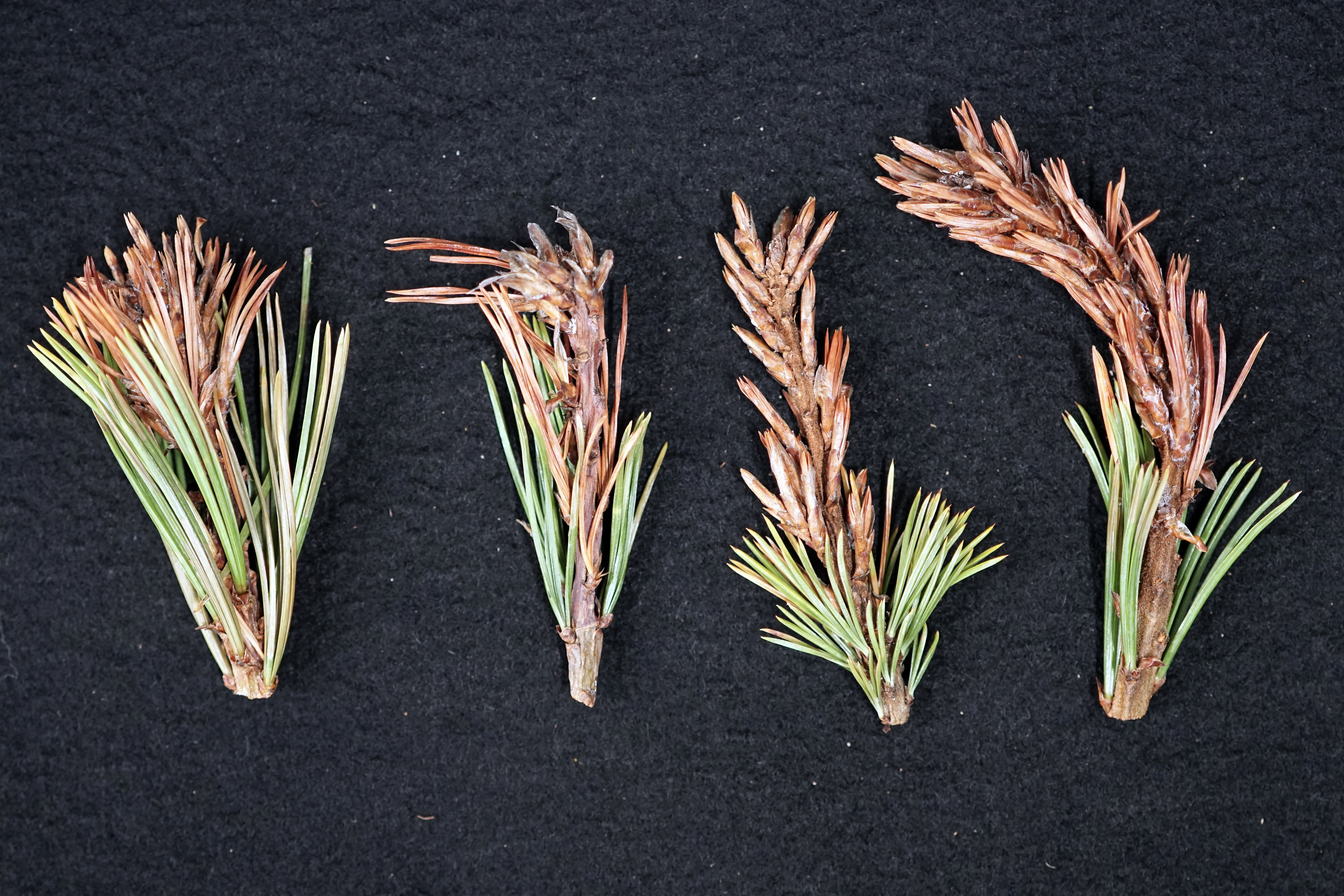
Image related to Pine (Pinus spp.)-Elytroderma Needle Cast

By M. Agne

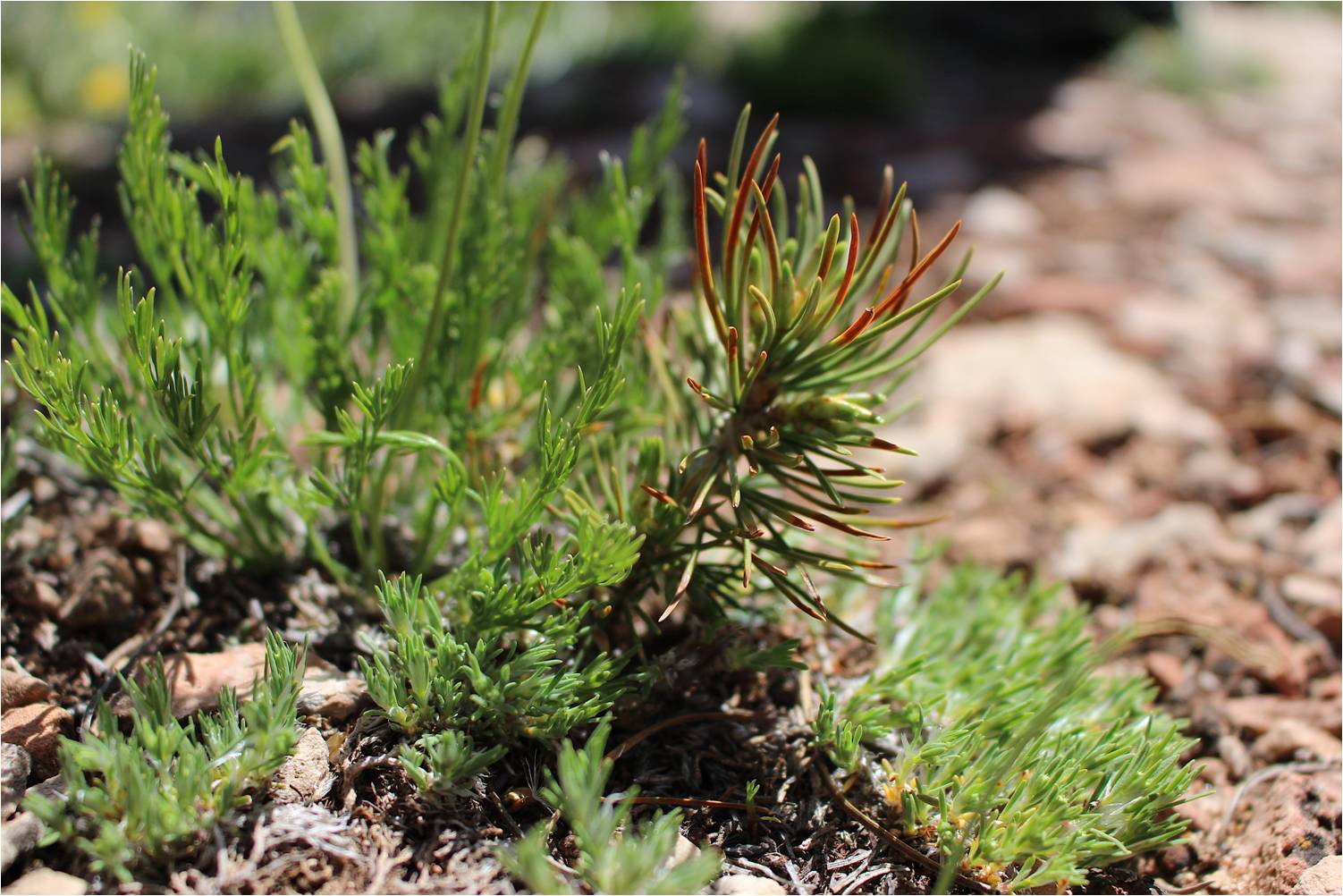
Cause Dothistroma septosporum (sexual: Mycosphaerella pini), a fungus reported in Oregon, Idaho and British Columbia. Dothistroma pini is found mostly in the North Central United States but has been reported from Idaho.

Image related to Pine (Pinus spp.)-Dothistroma Needle Blight (Red Band)
Image related to Pine (Pinus spp.)-Damping-off

Cause A fungus, Cyclaneusma minus (formerly Naemacyclus minor). Hosts include Scots, Austrian, Virginia, lodgepole, mugo, and ponderosa pine. Spores are produced on both attached and fallen needles. Rain and wind disseminate spores any time of year when temperatures are above freezing. Spores infect needles through stomata any time from April through November.

Cause Phytophthora cinnamomi and Phytophthora tropicalis, fungus-like microorganisms. Other species may be involved as Phytophthora citricola and P. citrophthora have been reported in other regions and occur in the PNW. Poorly drained soil or media or flooding encourages disease development. It survives unfavorable periods in soil or media and infected plant debris.

Image related to Pieris (Andromeda)-Ramorum Leaf Blight and Shoot Dieback