Plant Disease Management Handbook

Cause Apiognomonia veneta (asexual: Discula platani), a fungus that overwinters on infected sycamore twigs and dead leaves. Anthracnose is a common disease of the western sycamore, Platanus racemosa; the American plane tree, P. occidentalis, and the London plane tree, P. acerifolia.

Cause A fungus, Cladosporium variable, is believed to be the primary pathogen. This fungus can grow under a wide range of temperatures, but 59°F to 68°F with relative humidity above 80% is most conducive to disease development. Spores can be moved by air, rain splash, or equipment.

Cause The fungus-like microorganism, Peronospora farinosa f. sp. betae, causes disease on beet as well. The microorganism survives in infected crop residues and in wild or volunteer Beta spp. It also can survive in seed to a limited extent. Optimal temperatures for infection are 45°F to 59°F; little infection occurs above 68°F.

Cause Pythium/Globisporangium spp. and Rhizoctonia solani are soil-infesting microbes that can build up rapidly and attack young germinating seedlings when soil is moist.

Symptoms Stems are attacked as young plants emerge. Plants wilt, fall over, and die. Germinating seed also can be attacked, rotting plants before they reach the soil surface.

Cause Likely the fungus Neoerysiphe galii since a dense mycelial mat is formed, but 3 different species of Golovinomyces also occur worldwide. Golovinomyces cichoracearum, has been reported for the PNW. These fungi are favored by conditions that produce high humidity but dry leaves. They are highly specialized pathogens that form close associations with hosts.

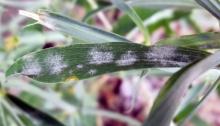
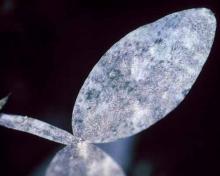
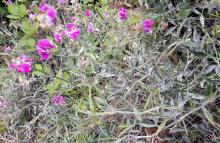
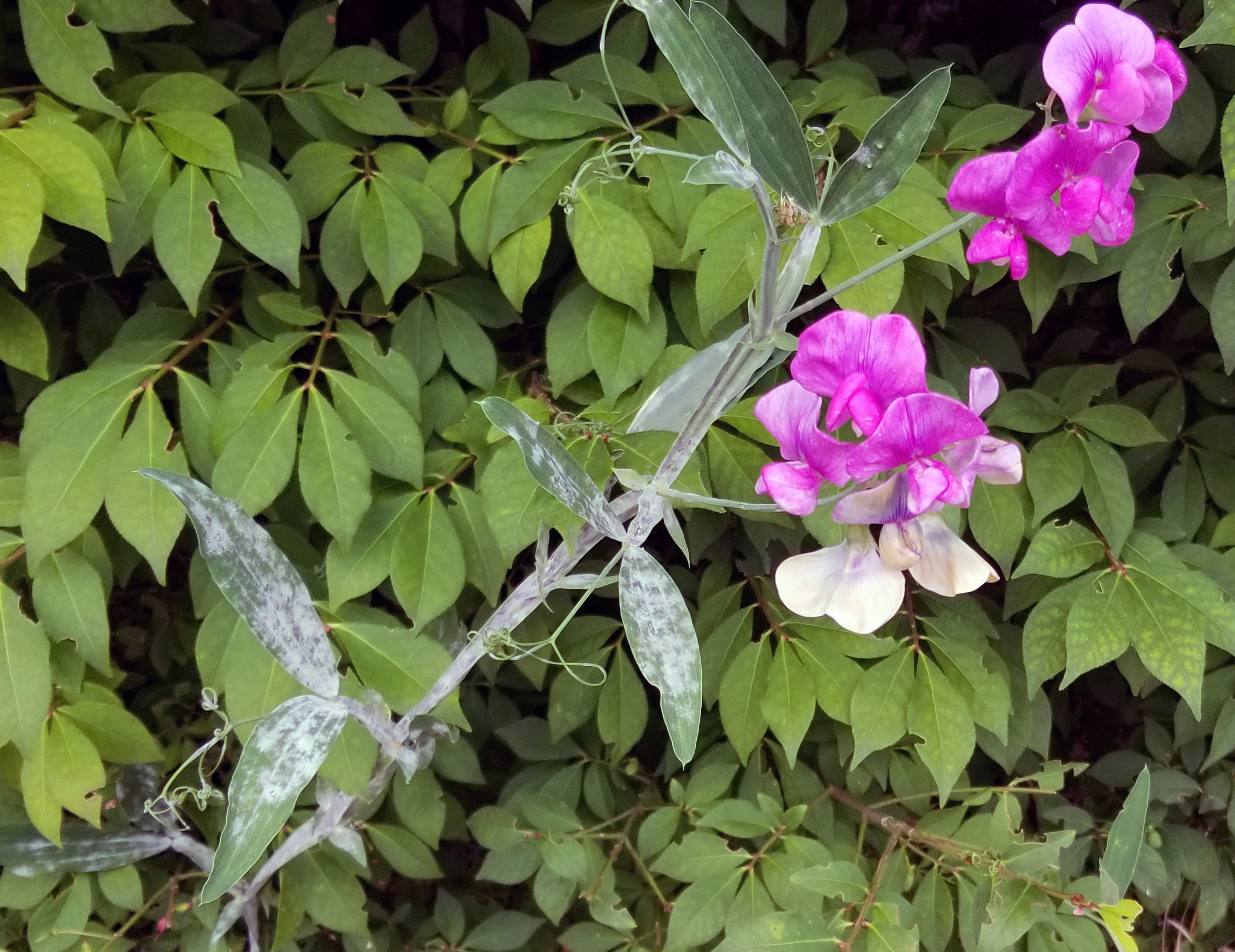
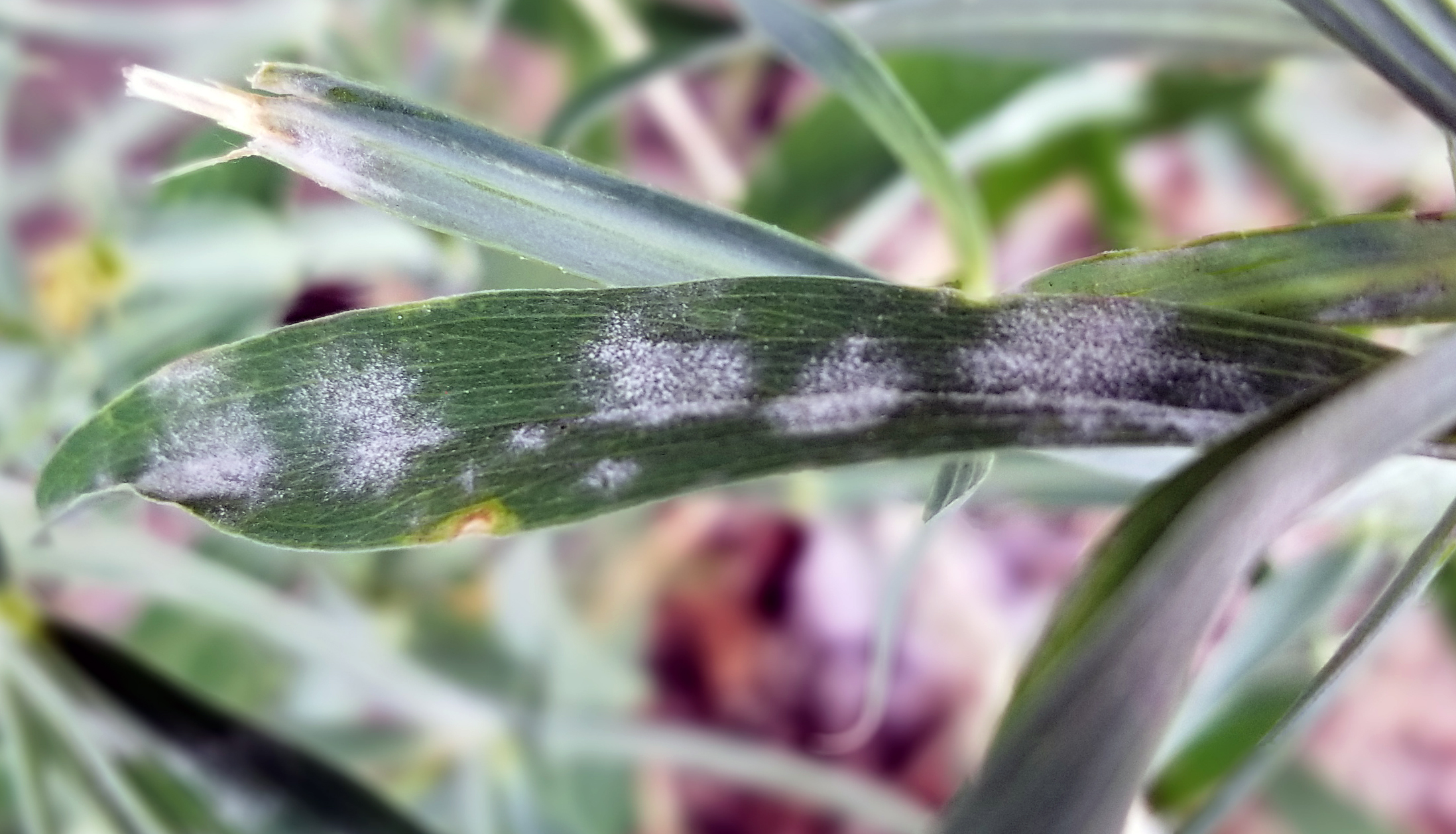
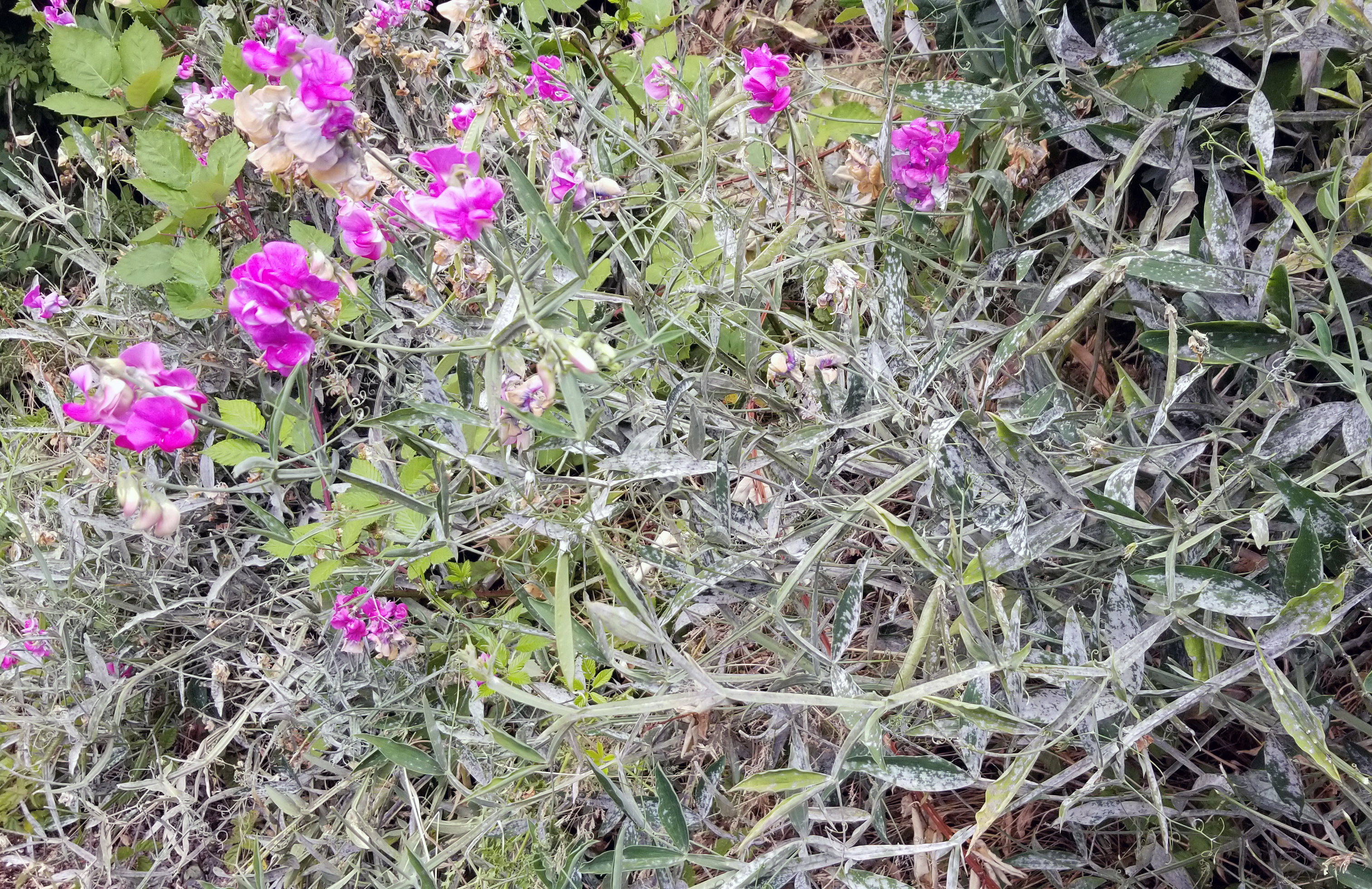
Cause Erysiphe pisi var. pisi (formerly Erysiphe polygoni), has been reported from the Pacific Northwest; Erysiphe lathyricola (formerly Microsphaera diffusa) has been reported from Oregon. Erysiphe trifoliorum has also been reported from North America.