Plant Disease Management Handbook

See:

Symptoms Leaves, especially the youngest ones, may become strap-like or narrower than normal.

Cause Several fungi including Septoria tageticola, Alternaria sp., and Cercospora sp. Although there are no published reports of finding these fungi in the Pacific Northwest, the OSU Plant Clinic has found Alternaria leaf spot. Cultivars of the African marigold (T. erecta) are susceptible to S.

Image related to Marigold (Tagetes spp.)-Botrytis Blight

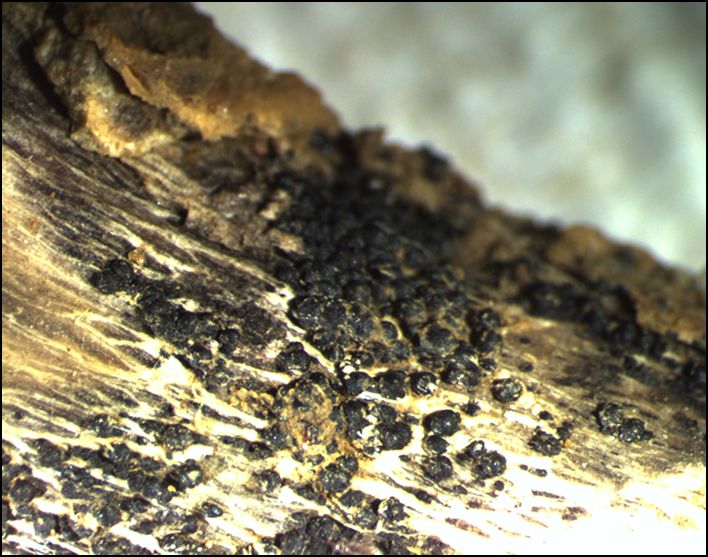
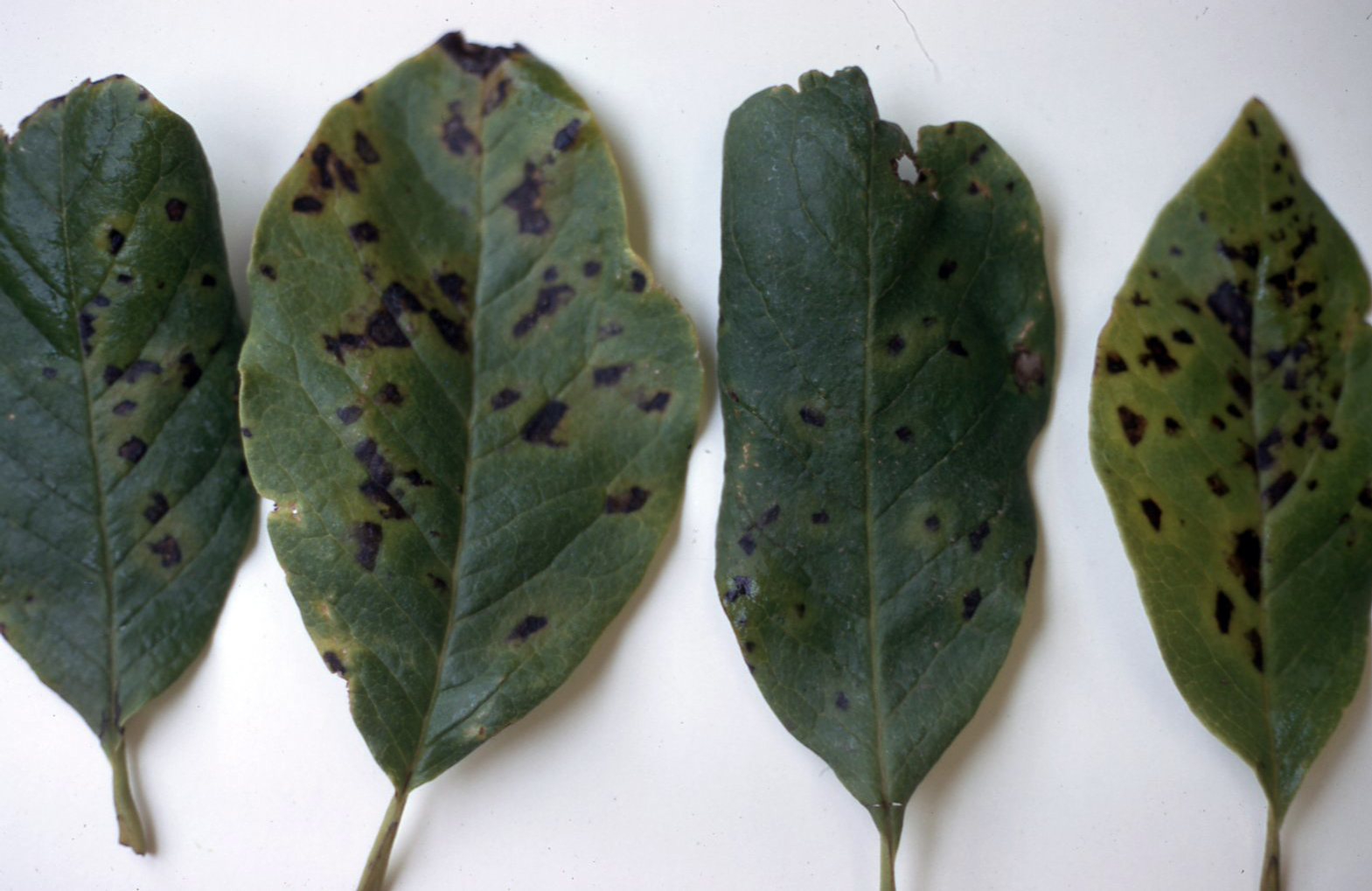
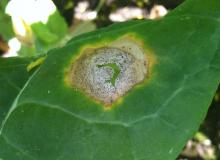
Cause Rhytisma punctatum, a fungus. The disease is common on bigleaf maple on the Pacific Coast and also attacks many other species, particularly silver, mountain, and striped maple. The fungus overwinters in stroma on fallen leaves. Leaf areas with stroma do not decompose as fast as areas that are not infected. Infection occurs as spores are ejected from these overwintered leaves during rainy periods in the spring.

Cause Phyllactinia marissallii, a fungus that attacks only maple. Sawadaea bicornis has been found in all states on bigleaf and Norway maple. It is suspected that this fungus was introduced into North American sometime before 1938 from Europe. S. tulansnei has been found in Idaho and Oregon on Norway maple.