Plant Disease Management Handbook

By C. M. Ocamb and D.A. Johnson

See:

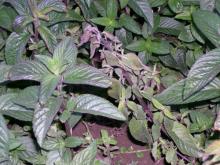
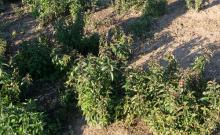
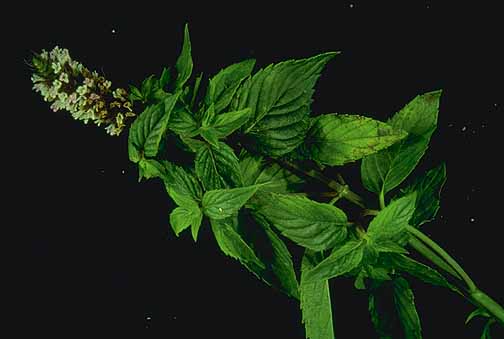
Image related to Peppermint (Mentha spp.)-Verticillium Wilt

Cause Several fungi that live in soil. Stolon decay is associated with Fusarium solani. Stem and stolon canker are caused by Rhizoctonia solani.

Symptoms Roots, runners, and rhizomes have brown or black progressively rotting areas. Stands may be greatly reduced, frequently in spots.

Cultural control

Cause The Impatiens necrotic spot virus (INSV) and the Tomato spotted wilt virus (TSWV) infect many economically important plants, including both dicots and monocots, and have been found in mint.

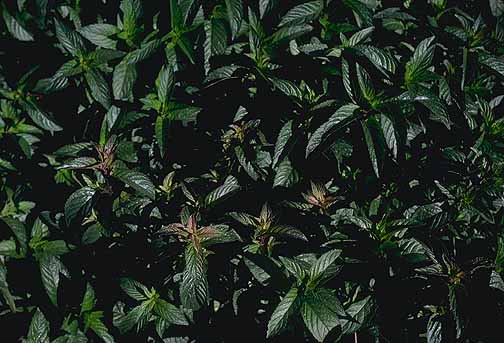
Image related to Peppermint (Mentha spp.)-Spotted Wilt

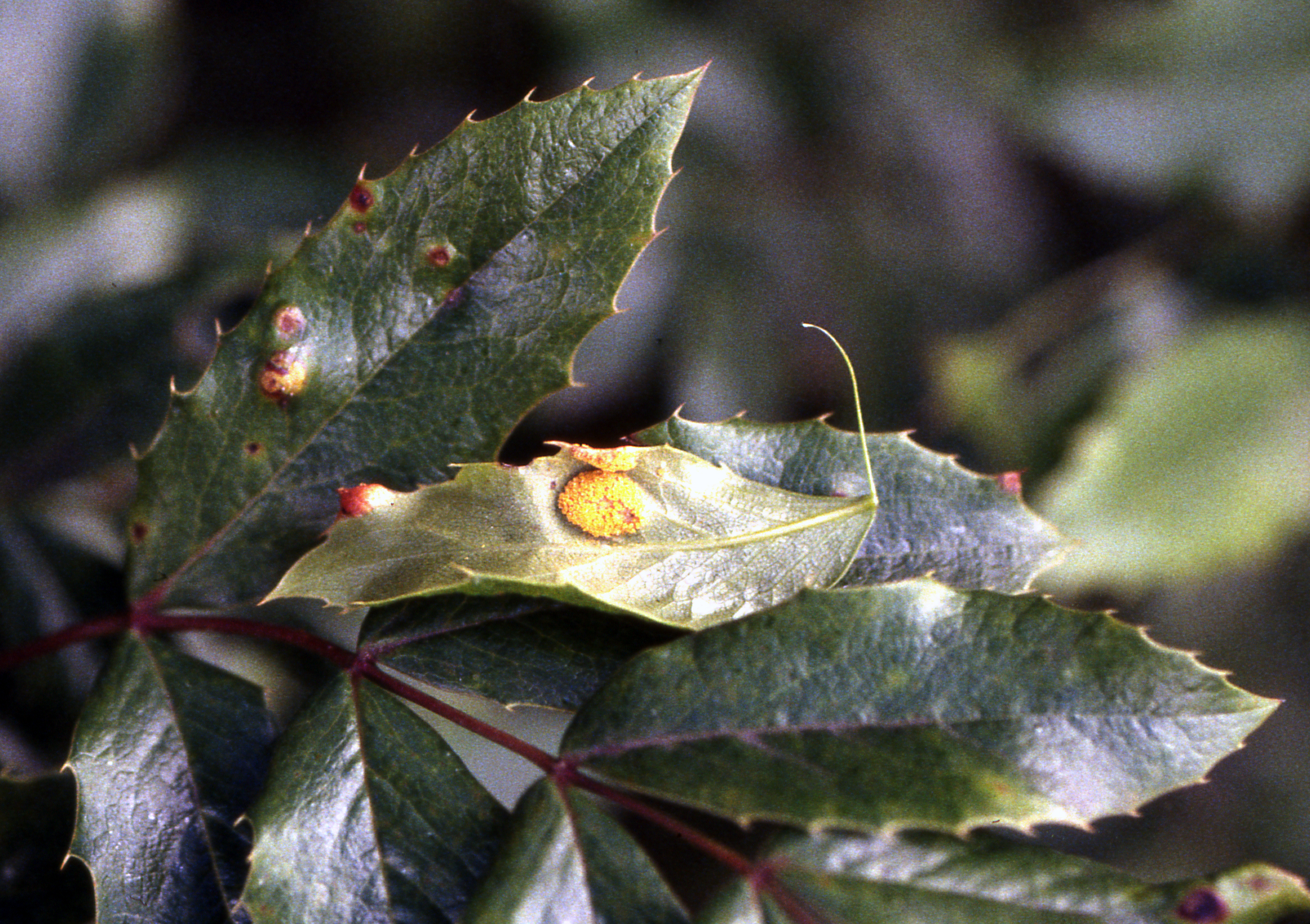
Cause The fungus Puccinia sorghi (alternate host is corn) has been found on oxalis in Washington while Puccinia oxalidis (alternate host is creeping barberry) was found by the OSU Plant Clinic.

Symptoms Yellow to yellow-orange pustules (aecia) cover the leaves for P. sorghi.

Cause There are several fungal leaf spots reported on oxalis in the PNW including those caused by Ramularia oxalidis, Phyllosticta guttulatae, and Septoria oxalidis. Most fungal leaf spots such as these are favored by conditions that keep leaves wet for extended periods of time.

Go to:

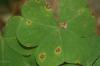
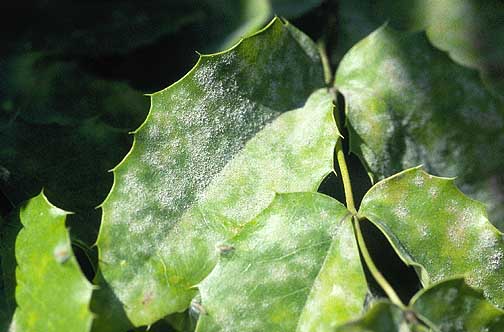
Image related to Oregon Grape (Mahonia aquifolium)-Powdery Mildew

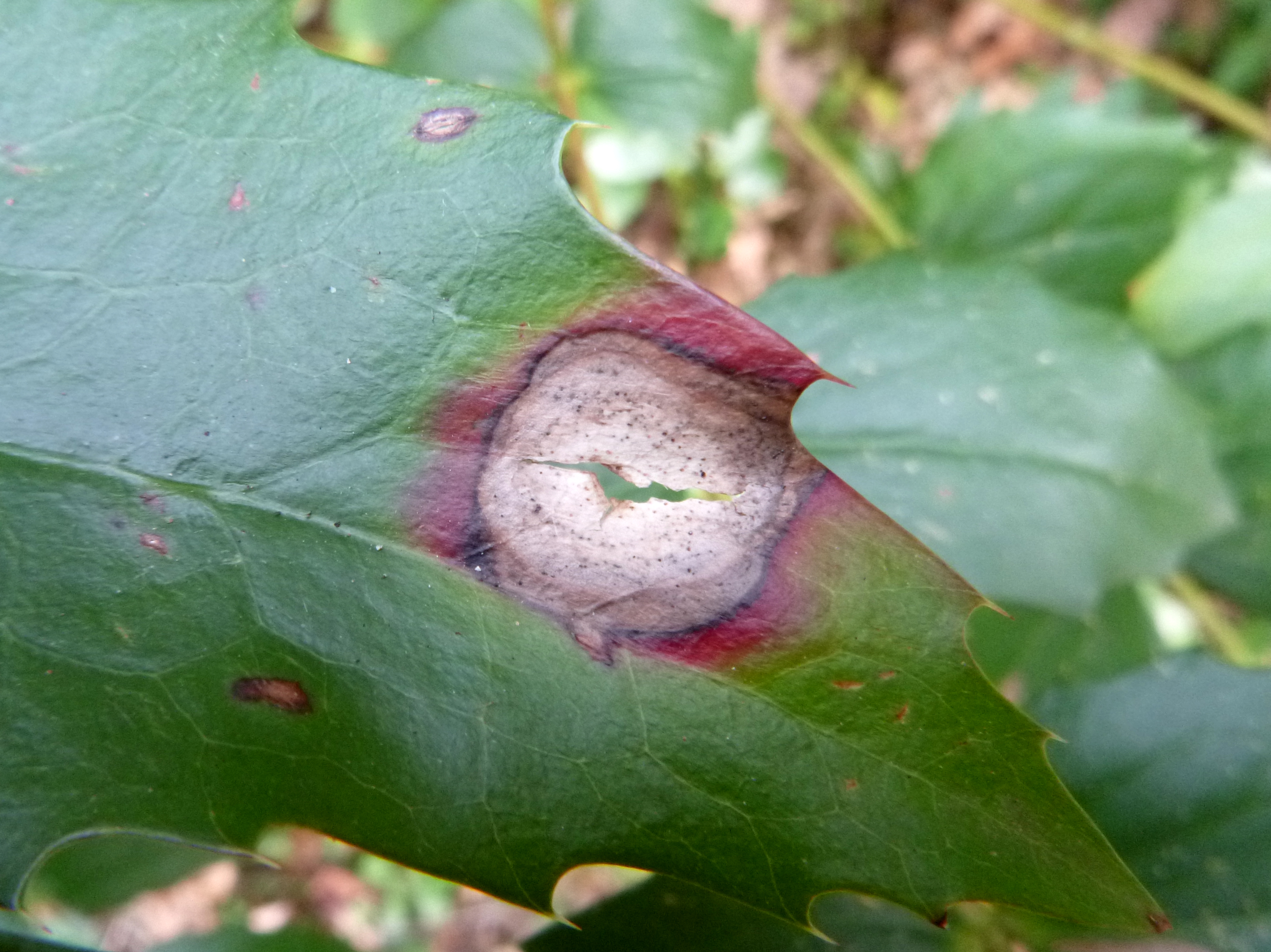
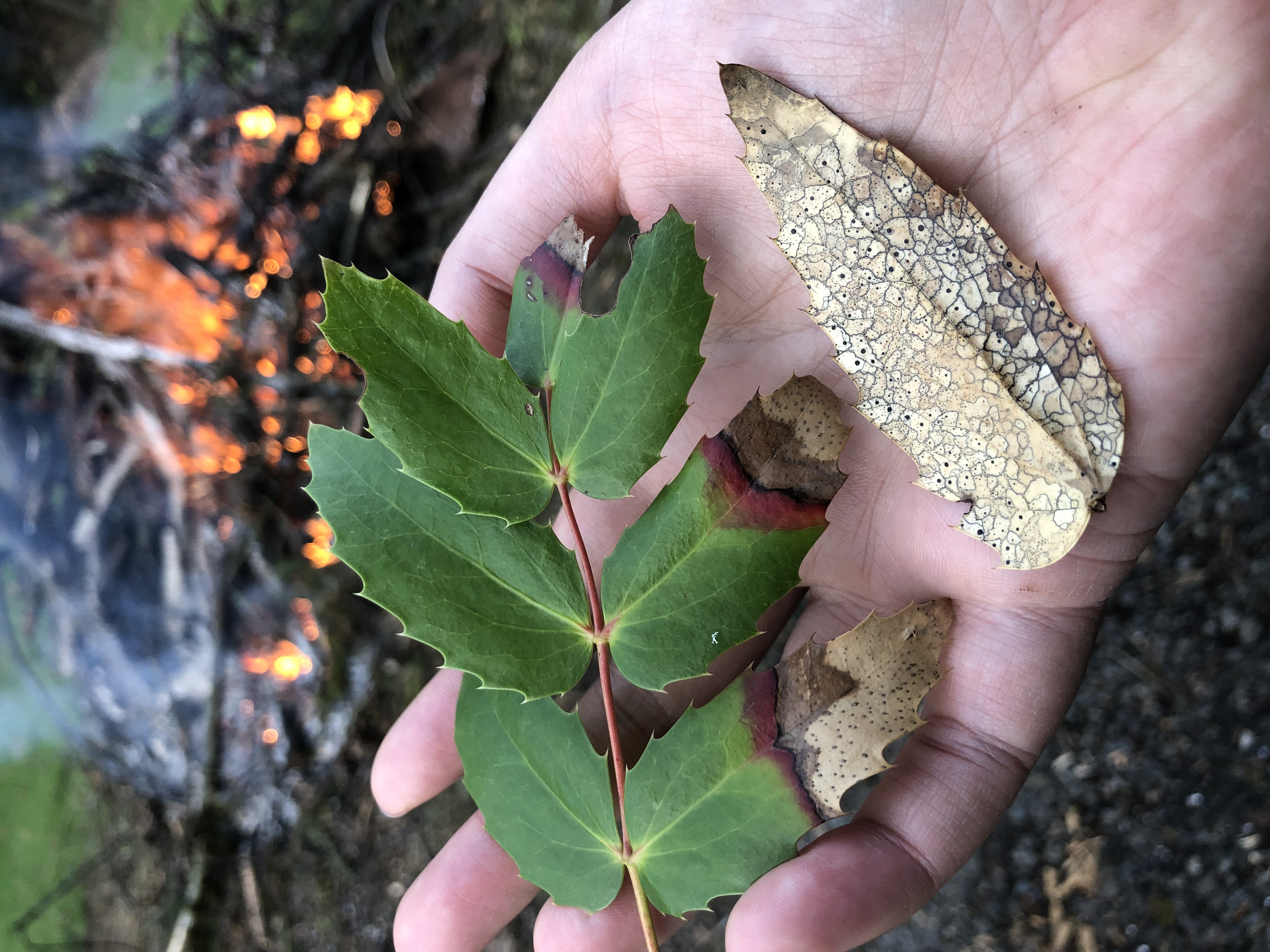
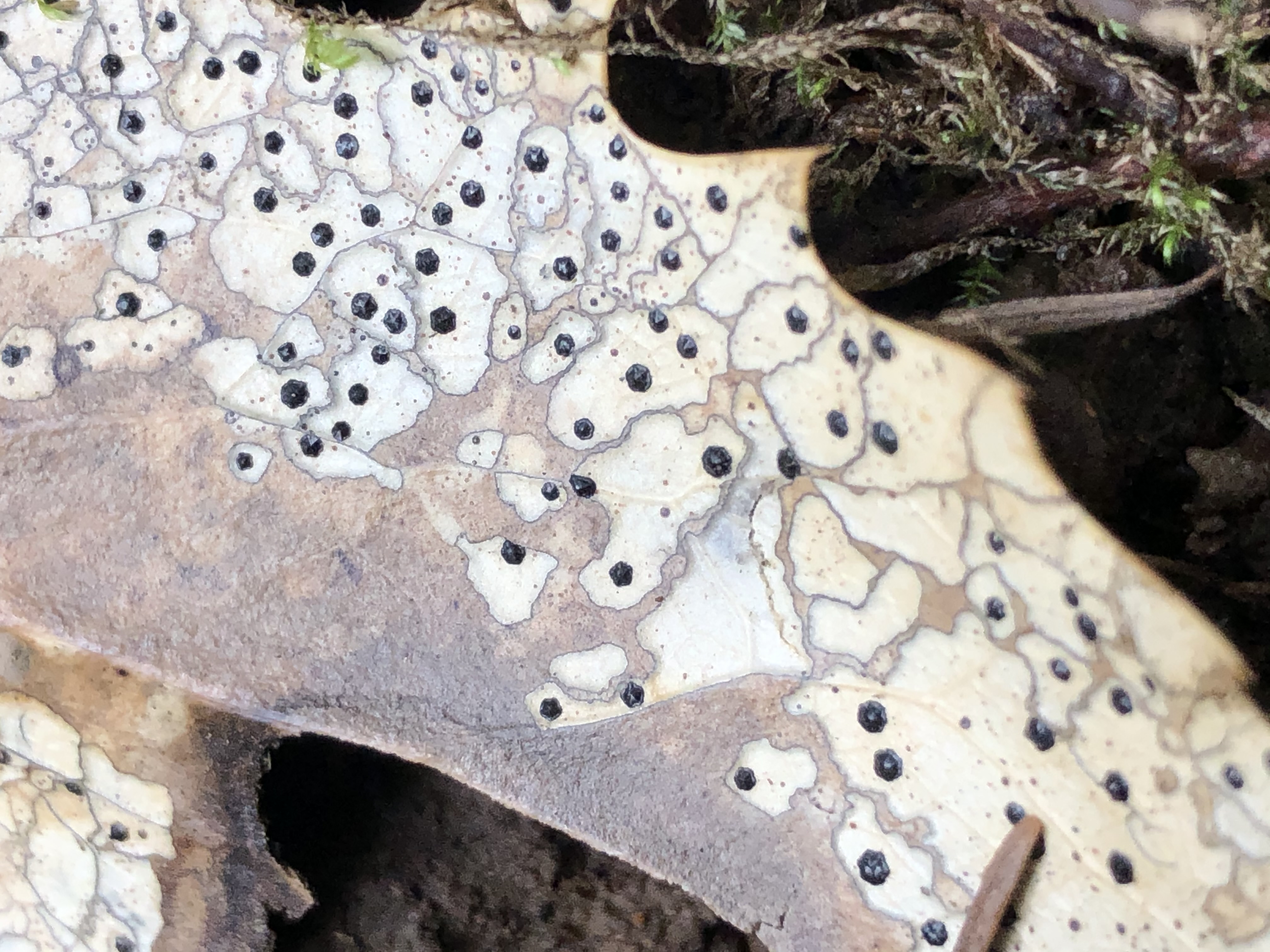
Cause Many different fungi can cause leaf spots in the PNW. Phyllosticta sp. has been reported from Washington, and found by the OSU Plant Clinic. A survey in western Oregon found several fungi infecting symptomless leaves with Phomopsis sp. as the most prominent.

Image related to Oregon Grape (Berberis aquifolium)-Leaf Spot
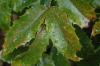
Image related to Oregon Grape (Mahonia aquifolium)-Leaf Scorch