Plant Disease Management Handbook

Cause Paratrichodorus allius and P. minor, ectoparasitic nematodes that overwinter in soil. The largest nematode populations and conspicuous plant symptoms occur in cool, damp springs. P. minor affects a wide range of plant species.

Symptoms Roots are extremely short with yellow to brownish cast; plants are stunted. Root tips become darker, stubby, and more branched.

Image related to Onion (Allium cepa)-Nematode, Stubby-root

Cause Pratylenchus penetrans, a migratory endoparasitic nematode that overwinters in plant debris. P. penetrans affects a wide range of plant species.

Symptoms Plants are stunted and lesions can be found on roots, which also lack fine roots.

Biological control

By C. M. Ocamb and D. H. Gent

By D. H. Gent and C. M. Ocamb

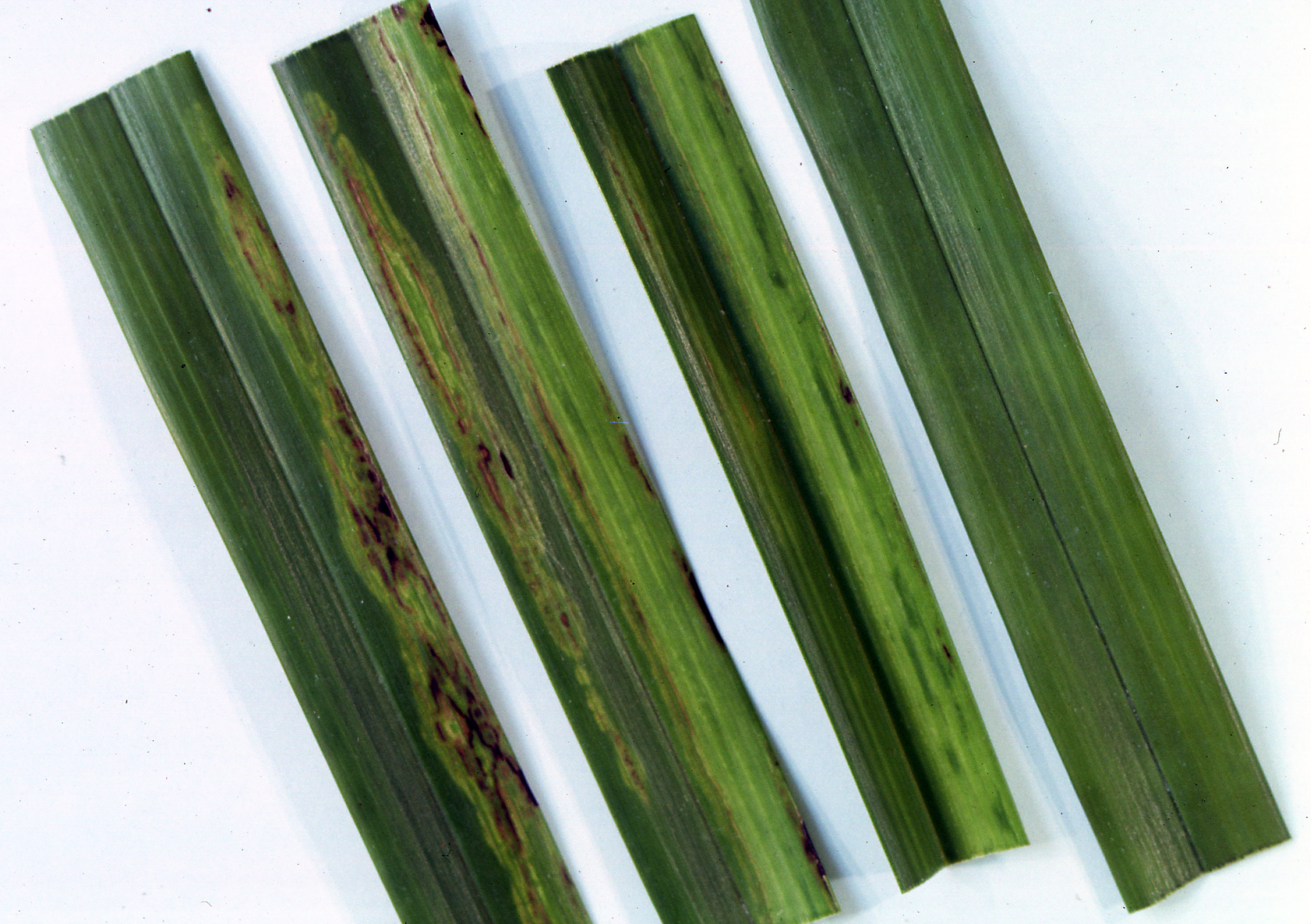
Image related to Onion (Allium cepa)-Iris Yellow Spot

Cause Fusarium proliferatum, a fungus. This fungus can persist in soil and plant debris. Other crop plants can be hosts to this fungus, including garlic and sweet corn. Fusarium species are good saprophytes, which enables F. proliferatum to persist more than several years in soil in spite of not producing chlamydospores (durable survival structures).

By C. M. Ocamb and D. H. Gent

Image related to Onion (Allium cepa)-Fusarium Basal Rot
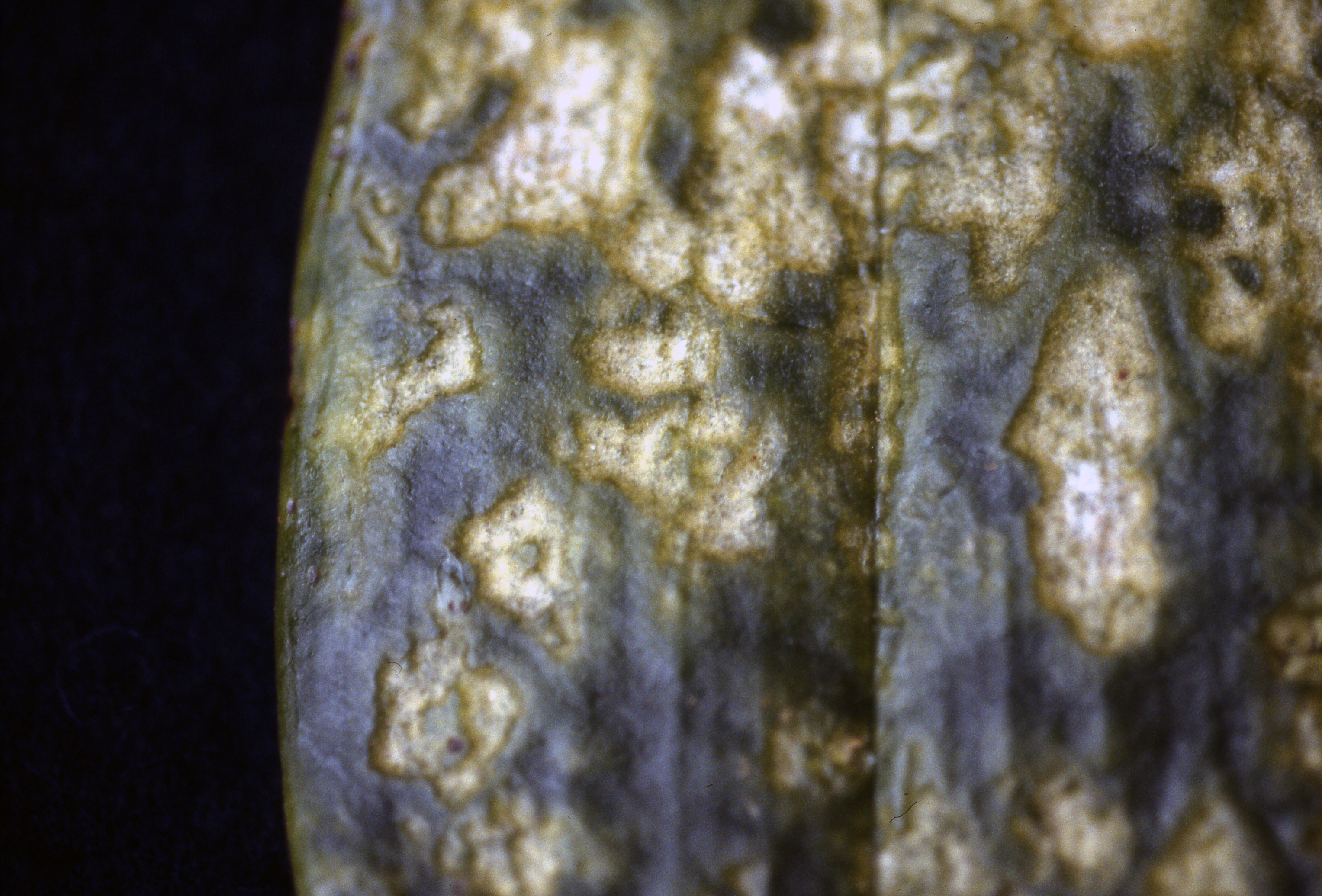
Image related to Onion (Allium cepa)-Downy Mildew

By D. H. Gent and C. M. Ocamb

Cause The fungus, Botrytis squamosa (syn. Botryotinia squamosa), overwinters in cull piles, in field debris, or in soil. Wind disperses the spores. Cool temperatures (55°F to 75°F) and long periods of leaf wetness favor infection. Older leaves are more susceptible. There are no resistant varieties.

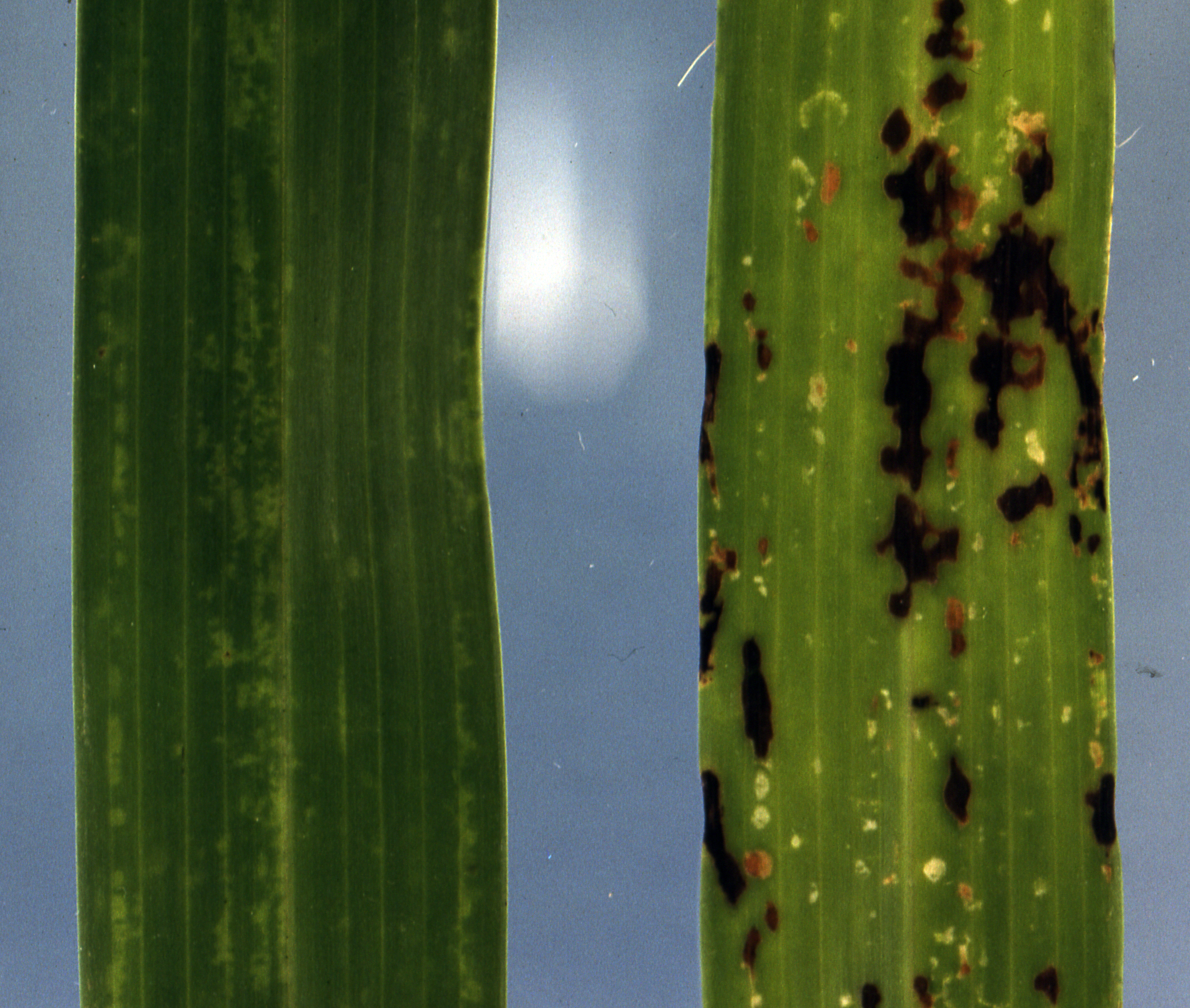
Image related to Onion (Allium cepa)-Botrytis Leaf Blight

By C. M. Ocamb and D. H. Gent

Cause Aspergillus niger,a fungus common in soil and crop debris, affects a large number of fruit and vegetable species. The fungus may be seedborne. The disease attacks colored and white onions in storage and transit. It may do a lot of damage in storage if bulbs were at high temperatures for long periods (such as high-temperature drying in storage more than 2 to 3 days). No resistant varieties are known.

Image related to Onion (Allium cepa)-Black Mold