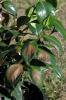
The condition in which the cells of the host become reddish or dark brown and collapse.
Lower camellia leaves burned when exposed to strong, late afternoon sun. Newer leaves that developed later are fine.
Jay W. Pscheidt, 2010.
Producing fusing gametes on the same mycelium.
The asexual, globose or flaskshaped fruiting body of fungi that produces conidia.
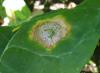
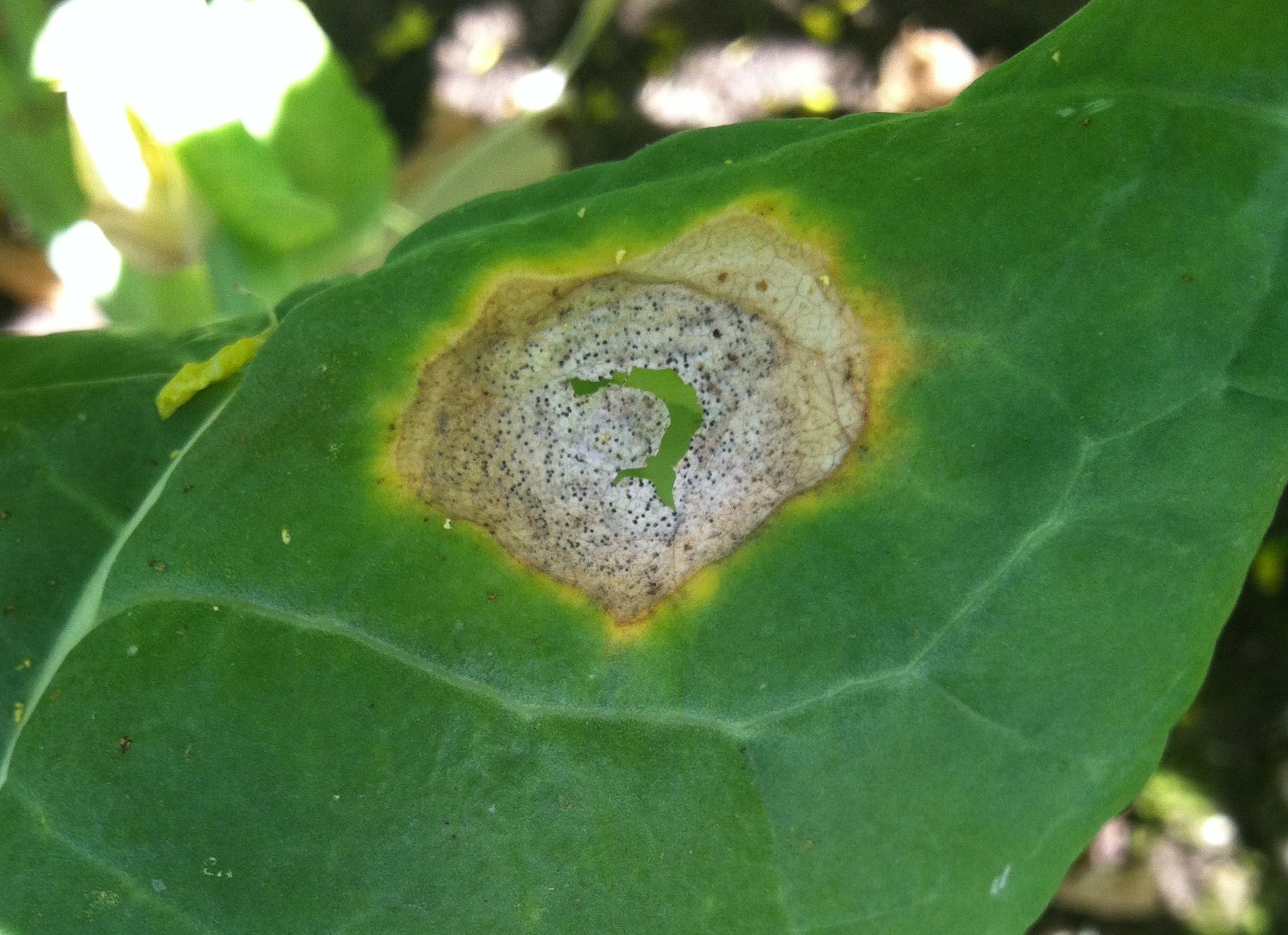
Close-up of a leaf spot with tiny black pycnidia caused by Phoma lingam on a Brassica leaf.
Cynthia M. Ocamb, May 2014
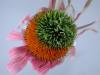
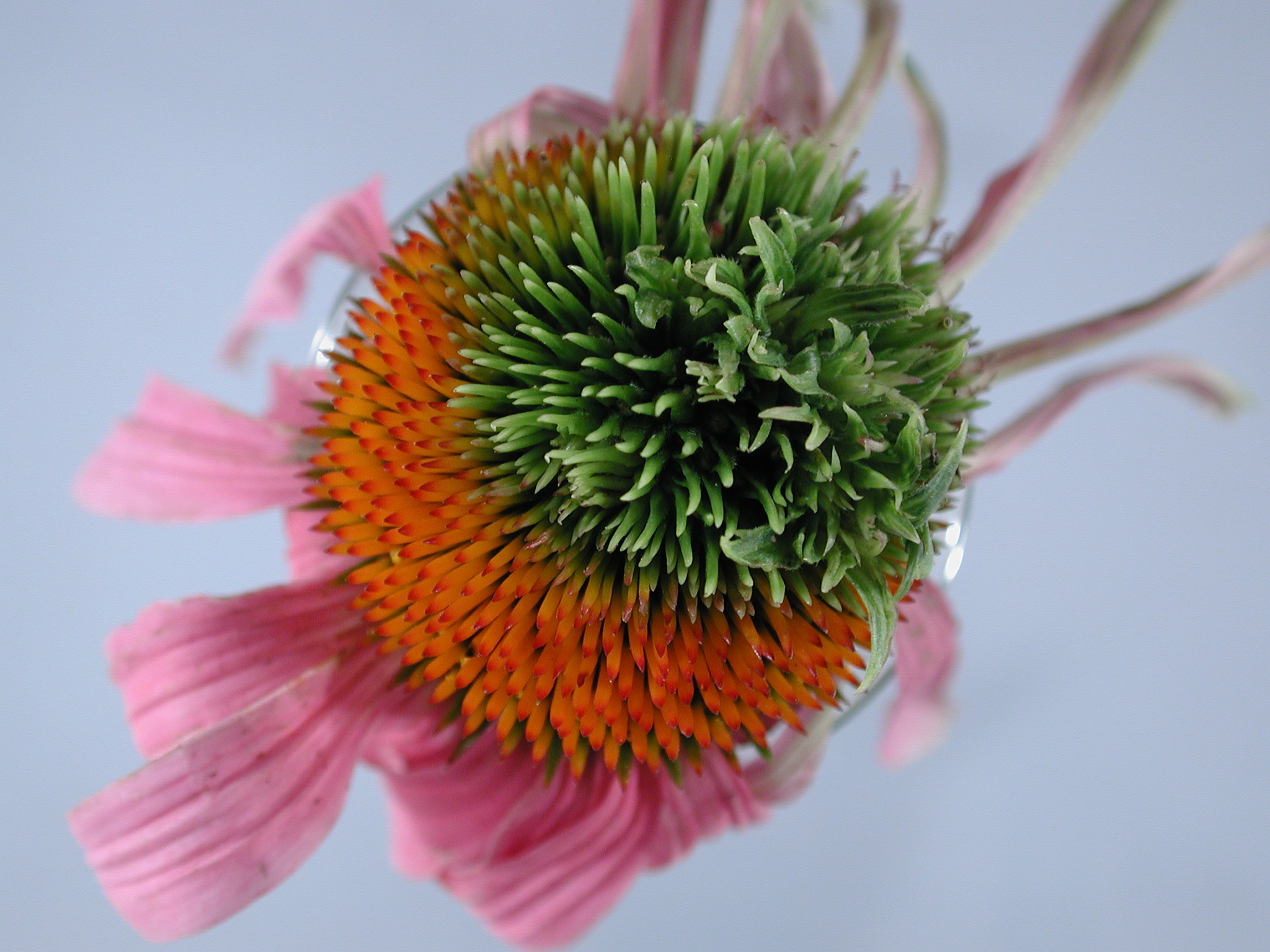
A state or condition in which normally white or colored tissues, such as flower petals, become green.
Coneflower (Echinacea spp.)-Aster Yellows
OSU Plant Clinic image, 2015.
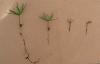
Decay of seeds in the soil (pre-emergent damping-off) or young seedlings before or after emergence (post-emergent damping-off).
Douglas-fir damping-off due to Pythium irregulare (healthy plant on left, 3 diseased plants on right).
Jerry Weiland, 2012.
Present but not manifest or visible, as a symptomless infection.
Infection resulting from the spread of infectious material produced after a primary infection.
A specific protein formed in the blood of warmblooded animals in response to the injection of an antigen.
Any of various complex, spore-bearing fungal structures.
A round to flaskshaped, thickwalled sporecase with an ostiole (pore) and containing asci.