Plant Disease Management Handbook

Cause Alfalfa mosaic virus (AMV), which is transmitted by aphids and can be seedborne. This virus has a broad host range (attributed to multiple species of aphid vectors) and infects at least 430 species of 51 dicot plant families including alfalfa (some varieties are asymptomatic), beans, clover, pea, potato, and tomato. Cilantro plantings were found infected with AMV in western Oregon during 2017. Subsequent testing of samples of seed planted in affected cilantro fields showed AMV to be present in seed samples.

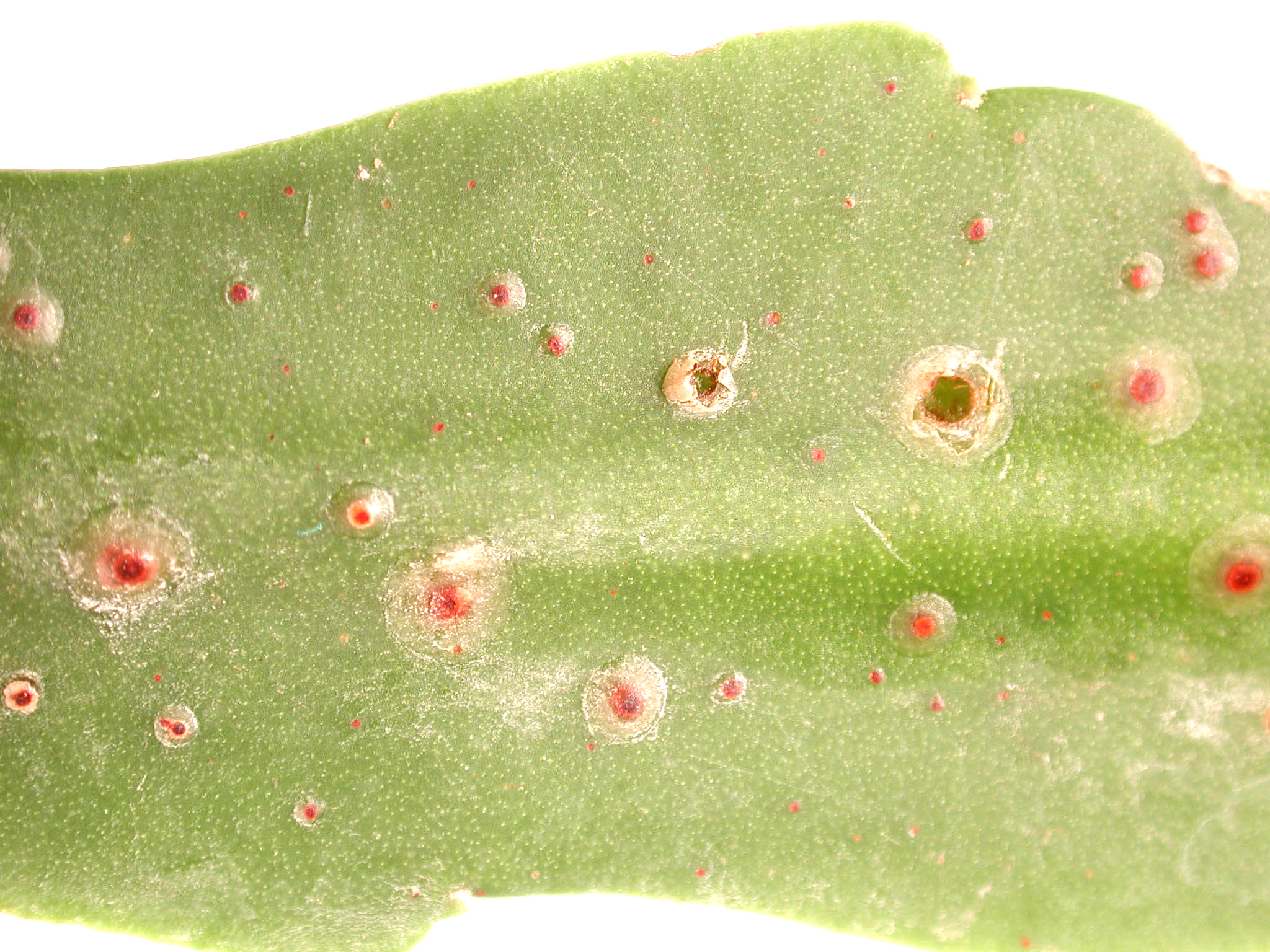
Cause Several organisms can cause lower stem and root rots on these holiday cacti including Fusarium oxysporum, Pythium spp., and Phytophthora sp. The OSU Plant Clinic has found Fusarium.

See:

Cause Several different fungi can cause leaf spots on cascara (sometime called buckthorn and formerly Rhamnus purshiana).

Green leaves with lesions

See:

Note: The disease has been found mostly on newer cultivars such as Black Diamond and Columbia Star but also on Kotata.

Note: There have been low levels of nematodes found in the few samples that have been submitted from blackberry. Nematodes have not been an issue in blackberry as they have been in such crops as raspberry.

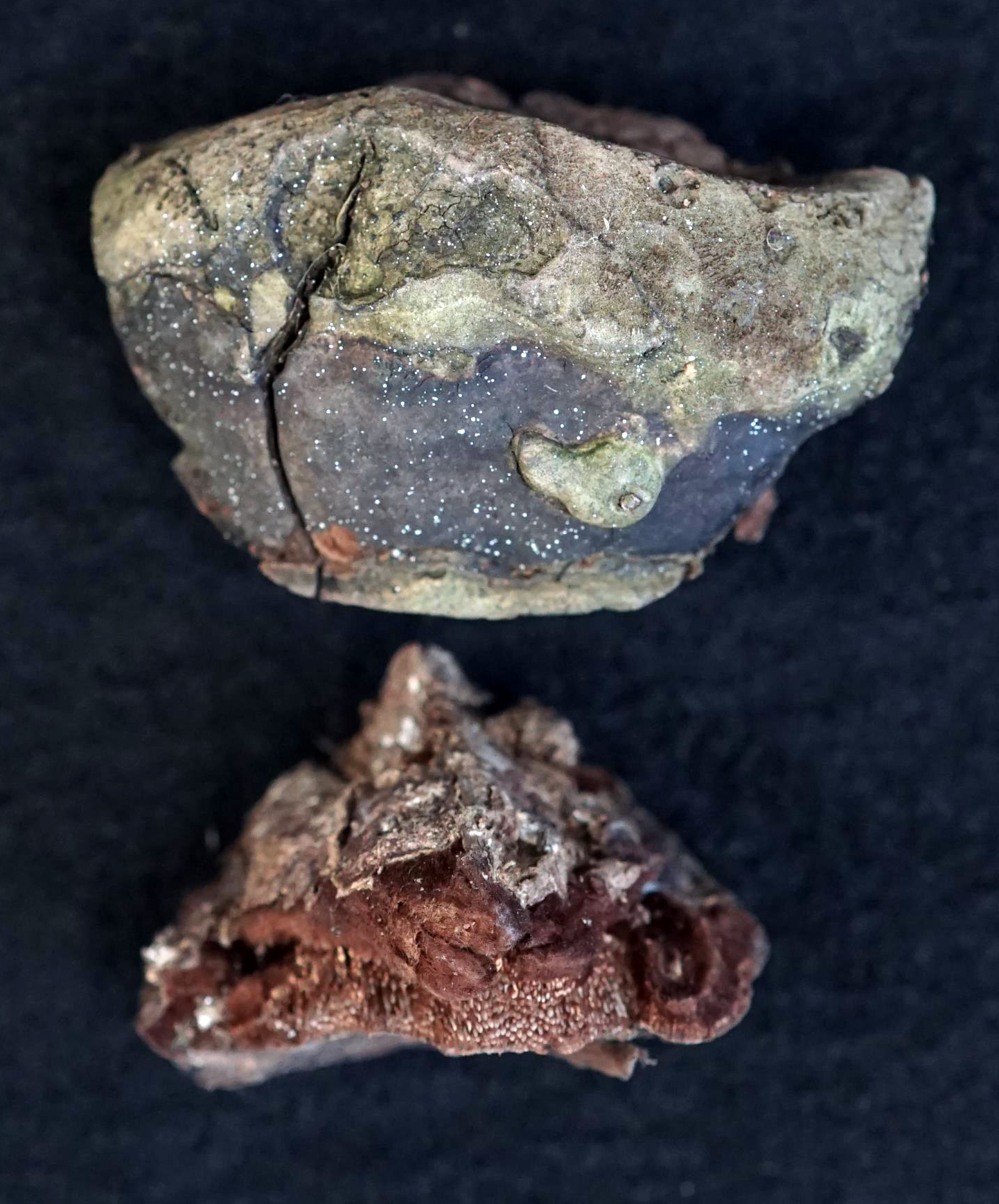
Cause Two types of wood decay occur in living trees: white rots and brown rots. The more common fungal white rots in birch are caused by Ganoderma applanatus, Fomes fomentarius, and Phellinus igniarus. White rots cause all major structural components of the cell wall-cellulose, hemicellulose, and lignin-to degrade. The strength of white rotted wood decreases only in advanced stages of decay.

Birch trunk with mushrooms