Insect Management Handbook

Tetanops myopaeformis

Pest description and crop damage Widespread in Idaho and the adjoining Oregon production region, they annually reach economically damaging levels. Spring-emerging adult flies lay eggs in soil next to young sugar beet plants during May and June. Soil-borne larvae subsequently feed on the taproot through mid-July, then diapause as non-feeding, overwintering larvae.

Scouting and thresholds
Includes

Pemphigus betae
Pemphigus populivenae

Pest description and crop damage Pinhead-sized, pale white-yellow aphid that colonizes taproot. Aphids produce waxy white secretions that superficially resemble mold on beets.

Hulstia undulatella

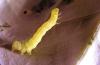
Pest description and crop damage Caterpillar is a dirty brown color with a green tint. Larvae feed on petioles at the plant crown and along the side of the taproot. They remain by day just below the soil surface within soil-coated silken tubes that extend 2 to 6 inches from infested plants. They are most damaging as first-generation larvae during May. This insect has historically been an important pest in the area, but not in recent years.

Pentatomidae

Pest description and crop damage Stink bugs are primarily seed feeders, so they are usually inconsequential pests except in sugar beet seed fields.

Scouting and thresholds No formal action thresholds exist for stink bug insecticide treatment decisions.

Management-biological control

A few biological products are available (Table 3).

Management-chemical control

Tetranychus urticae and other Tetranychus spp.

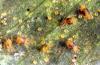
Pest description and crop damage These are a sporadic problem and generally more prevalent in western Idaho. Spider mite outbreaks are associated with:

Image related to Sugar beet-Spider mite

Estigmene acrea

Pest description and crop damage "Woolly bear" caterpillars up to 2 inches long, covered by long, red-brown hairs. They are seen especially in late season but rarely are an economic problem. Other species of woolly bear caterpillars are also known to feed on sugar beet, but their damage is also rarely of economic concern.

Alfalfa looper (Autographa californica)
Cabbage looper (Trichoplusia ni)

Beet leafminer (Pegomya betae)
Spinach leafminer (Pegomya hyoscyami)

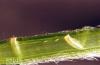
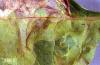
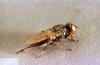
Image related to Sugar beet-Leafminer

Includes

Migratory grasshopper (Melanoplus sanguinipes)
Red-legged grasshopper (Melanoplus femurrubrum)

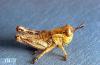
Image related to Sugar beet-Grasshopper