Insect Management Handbook

Ceutorhynchus assimilis

Image related to Canola-Cabbage seedpod weevil

Phyllotreta cruciferae and P. striolata

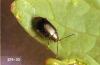
Image related to Canola-Cabbage flea beetle

Cabbage aphid (Brevicoryne brassicae)

Pest description and crop damage Cabbage aphids are green, gray with a white, waxy coating. They commonly occur in dense colonies, often covered with waxy droplets. They have piercing-sucking mouthparts and prefer to feed on the newest plant growth. Large colonies can stunt or kill small plants. The cabbage aphid appears much earlier than the turnip aphid.

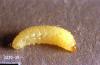
Image related to Canola-Aphid

Varroa destructor

Acarapis woodi

Aethina tumida

Sapyga spp.

Pest description These wasps (8 to 14 mm) are a common cleptoparasite (larvae steal food provisions of the host). Females lay their eggs in sealed brood cells. Emerging larvae kill the bee larvae and consume the bee's provisions.

Chaetodactylus krombeini

Stelis montana

Pest description A cleptoparasitic bee (adults 8 to 10 mm) of which the larvae steal food provisions from the host. Female adults lay eggs in uncapped BOB cells while the BOB females are away foraging. Cuckoo bee larvae kill BOB larvae and consume the pollen-nectar provision. Only one parasite develops in each cell.

Trichodes ornatus

Pest description This beetle (7 to 15 mm) is metallic dark blue with bright orange to yellow wing patterns and is commonly seen among many cavity-nesting bees. Adult female beetles lay eggs in or near bee nest entrances. The first three beetle larval instars feed on bee eggs, larvae and pollen provisions and cause major brood and nest damage as they move from cell to cell. Beetle larvae are generally red in color and appear worm-like.