Plant Disease Management Handbook

There are several plant disease diagnostic facilities based in the Pacific Northwest that can help determine the identity of pathogens involved in plant problems. Publicly supported clinics are listed below. A listing of other plant analytical facilities, both public and private, that provide testing and/or diagnostic services can be found at https://extension.oregonstate.edu/catalog/pub/em8677.

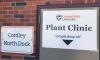
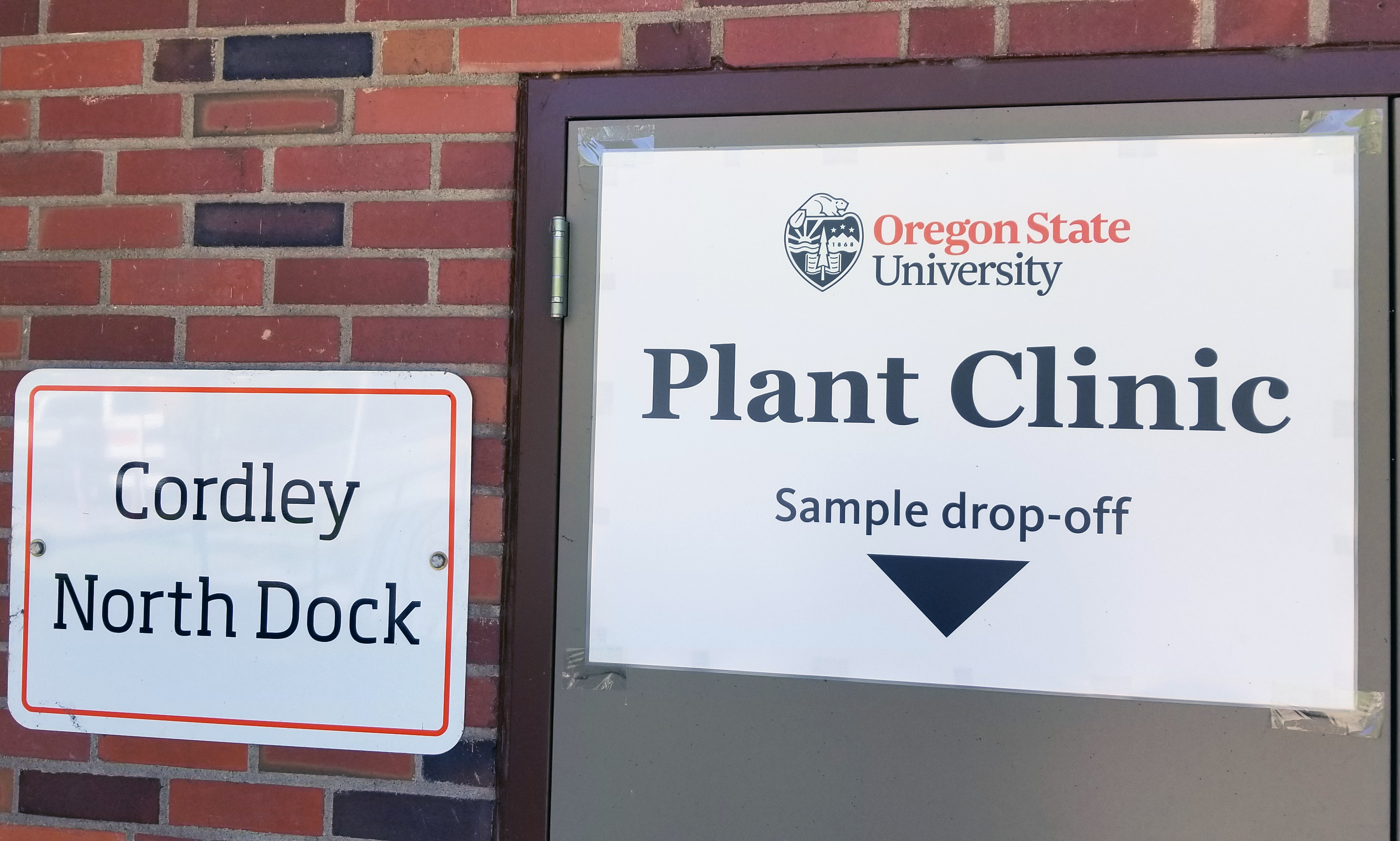
Plant Disease Clinic Drop Off

The University of Idaho performs nematode tests. A fee is levied for each sample of soil or roots tested.

Sample Contents

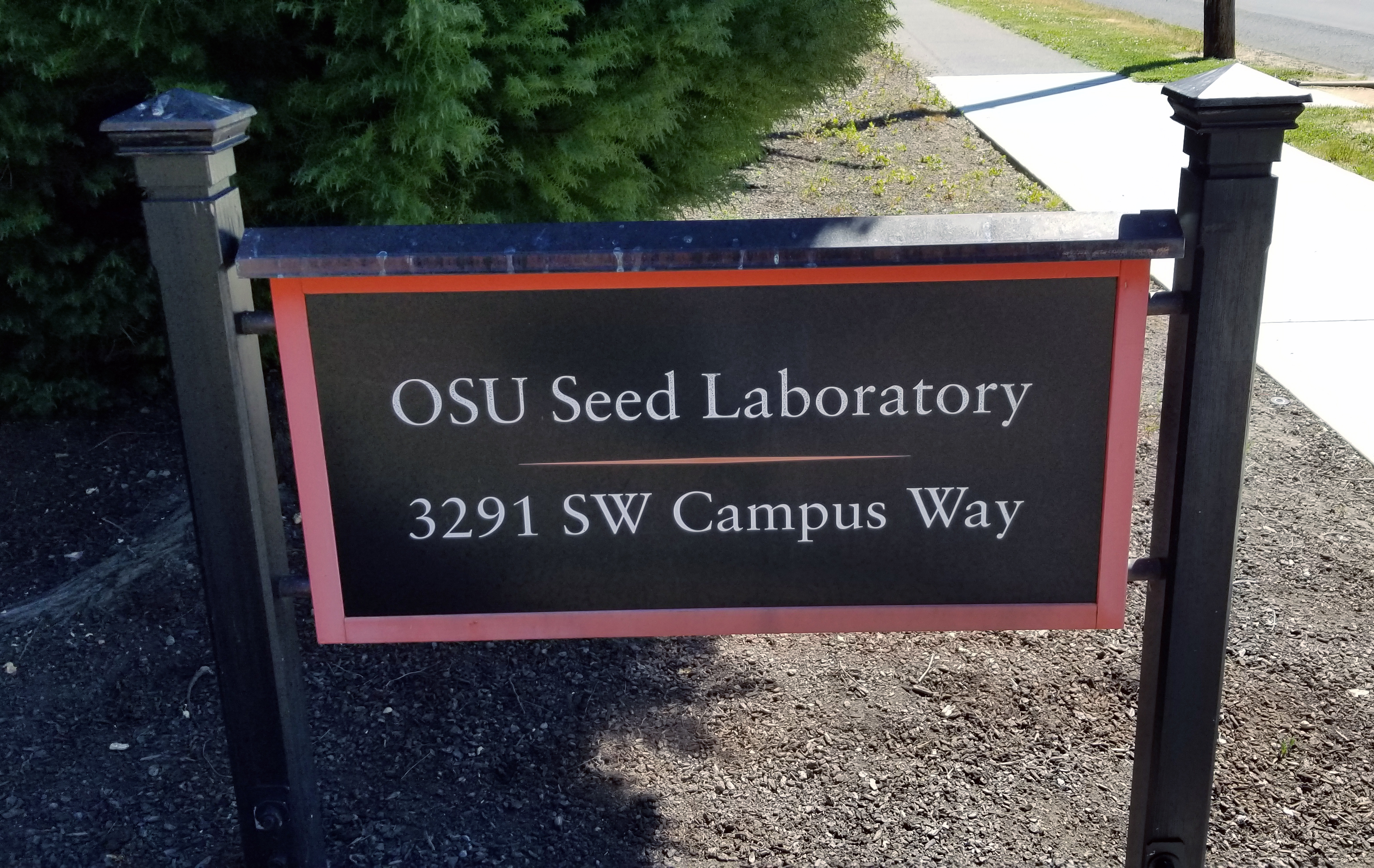
Oregon State University Seed Laboratory

Contact:

David Stimpson, PhD
3291 SW Campus Way
Corvallis, OR 97331-3801
Tel. 541-737-4464
Fax 541-737-2126
seedlab@oregonstate.edu

Please contact the OSU Seed Laboratory for sampling and packaging instructions.

For more information, see http://seedlab.oregonstate.edu

Western Washington

The WSU Puyallup Plant & Insect Diagnostic Laboratory provides diagnostic assistance to citizens and businesses of western WA and supports the work of WSU Extension.

Plant Problem Diagnosis

In person: The Diagnostic Laboratory is open Monday through Friday from 8:00 am to 4:30 pm by appointment only.

Mail packages to:

General diagnosis = $90

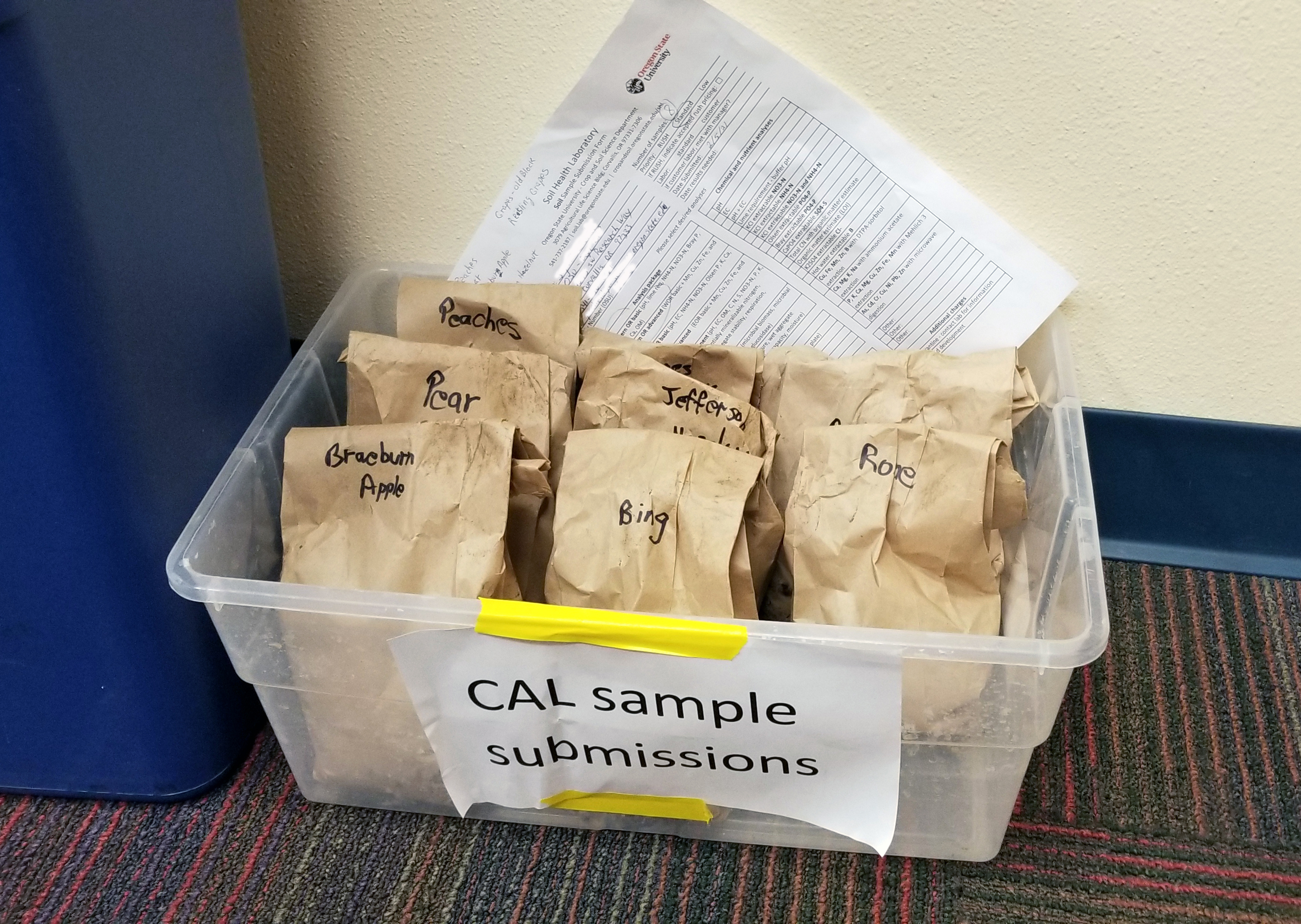
The Soil Health Laboratory provides inorganic chemical analysis of soils, plants, and water. Routine procedures include standard soil testing methods, nutrient analysis of plant tissue, and inorganic water analysis.

For more information:

Oregon State University
3017 Agriculture and Life Sciences Building
Corvallis, OR 97331-3002

https://cropandsoil.oregonstate.edu/shl
Tel. 541-737-2187

Services and fees

Insect/mite and other arthropod identifications are currently provided free of charge. Fees listed below for disease diagnosis are subject to change.

Note: The OSU plant clinic accepts industrial hemp samples only if they are accompanied by the Oregon Department of Agriculture Hemp license number. The OSU Plant Clinic cannot accept marijuana samples due to university regulations.

By C. M. Ocamb

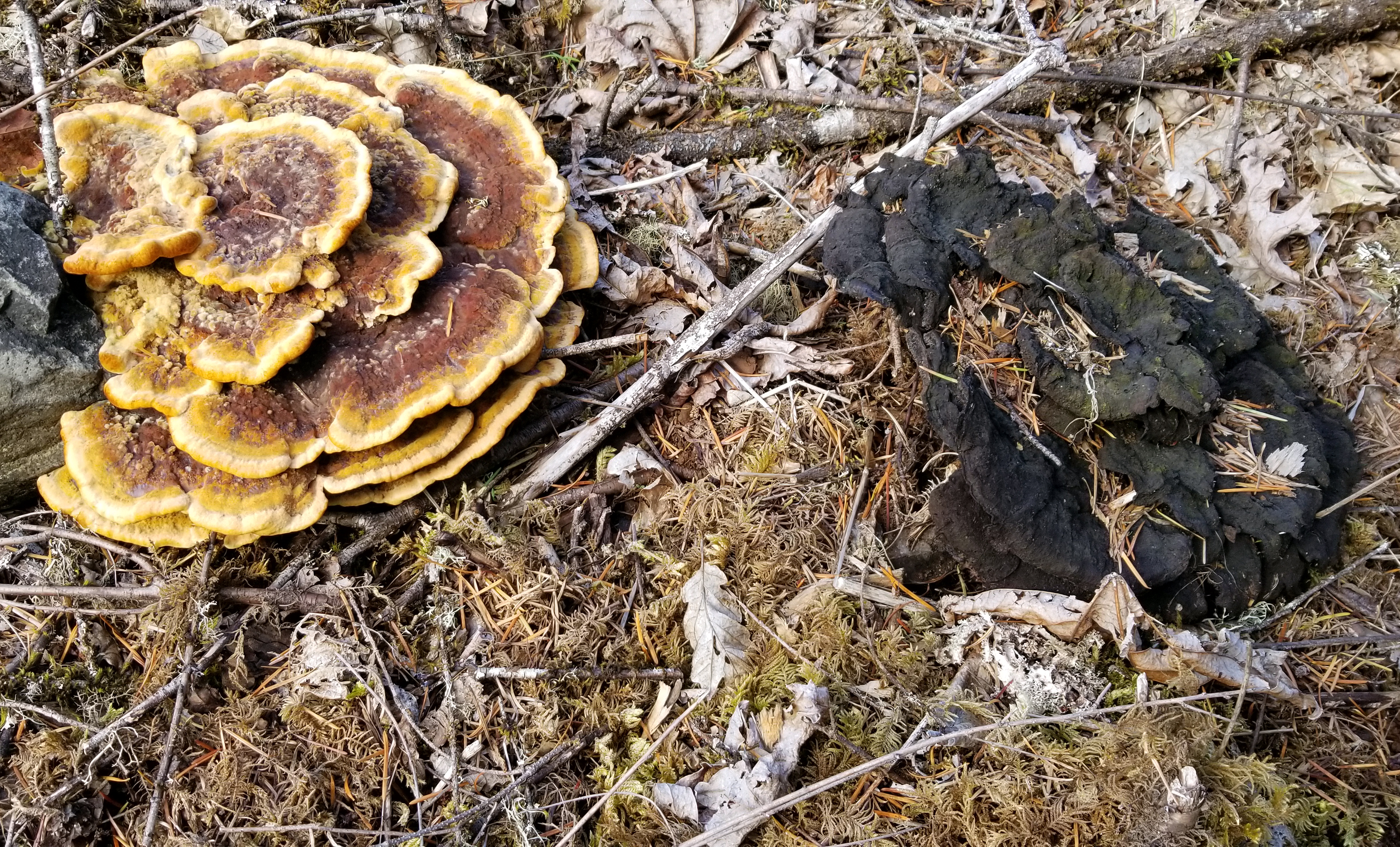
Cause Stem decay in living trees is caused by various fungi that enter trees through wounds or small branches. Decay fungi usually do not kill trees but trees, which are affected, are structurally weakened and more likely to break during storms or harvest. Decayed trees can be a serious hazard when near roads, buildings or developed recreation areas. Decay in living trees can also provide important wildlife habitat.