Crown Gall Disease of Nursery Crops
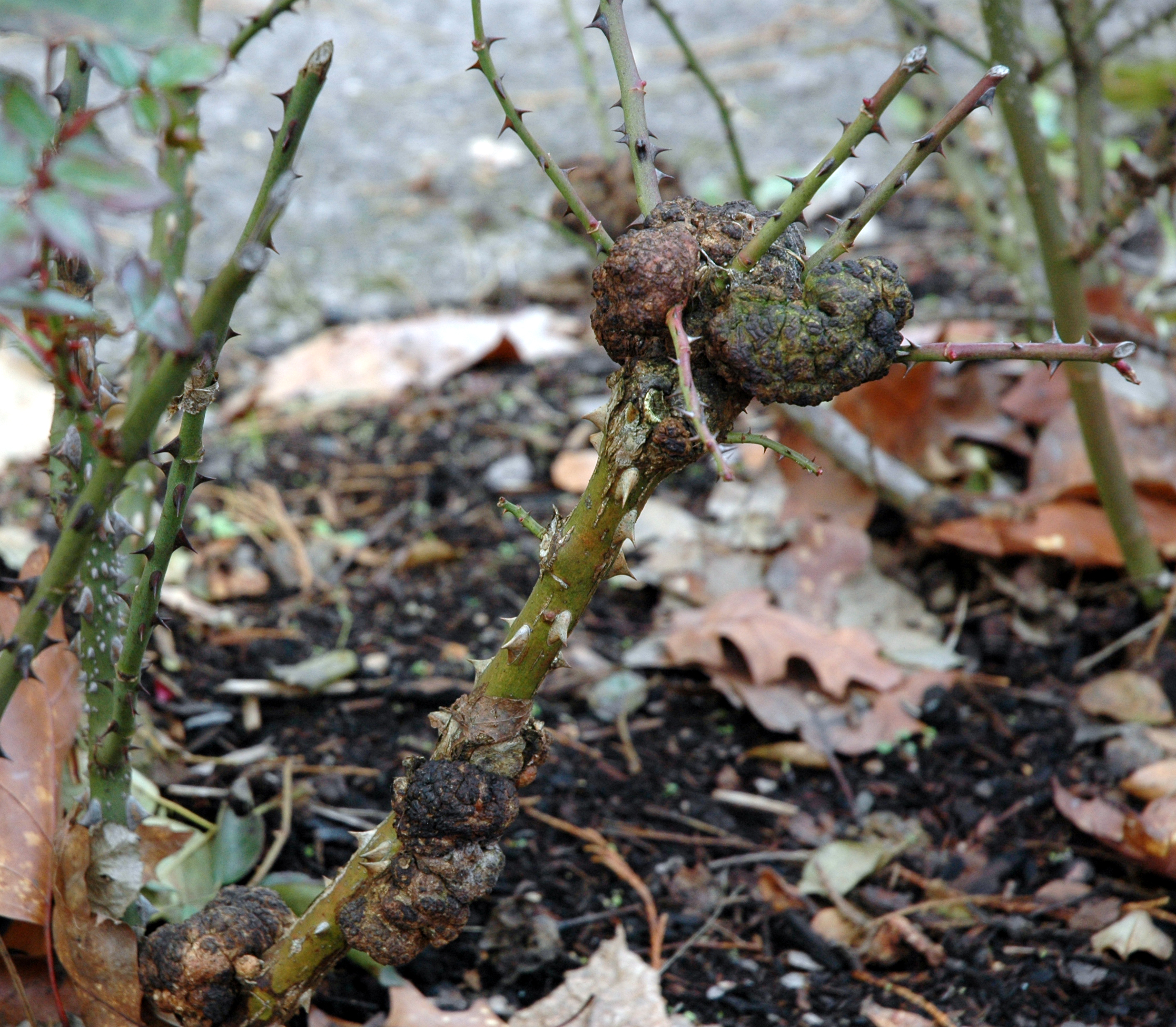
Note all the galls along the stem to the right. Many have started at pruning wounds.
Jay W. Pscheidt, 2013.

Note all the galls along the stem to the right. Many have started at pruning wounds.

Lilac shoots collapsing due to infection by Pseudomonas syringae.
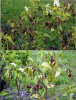

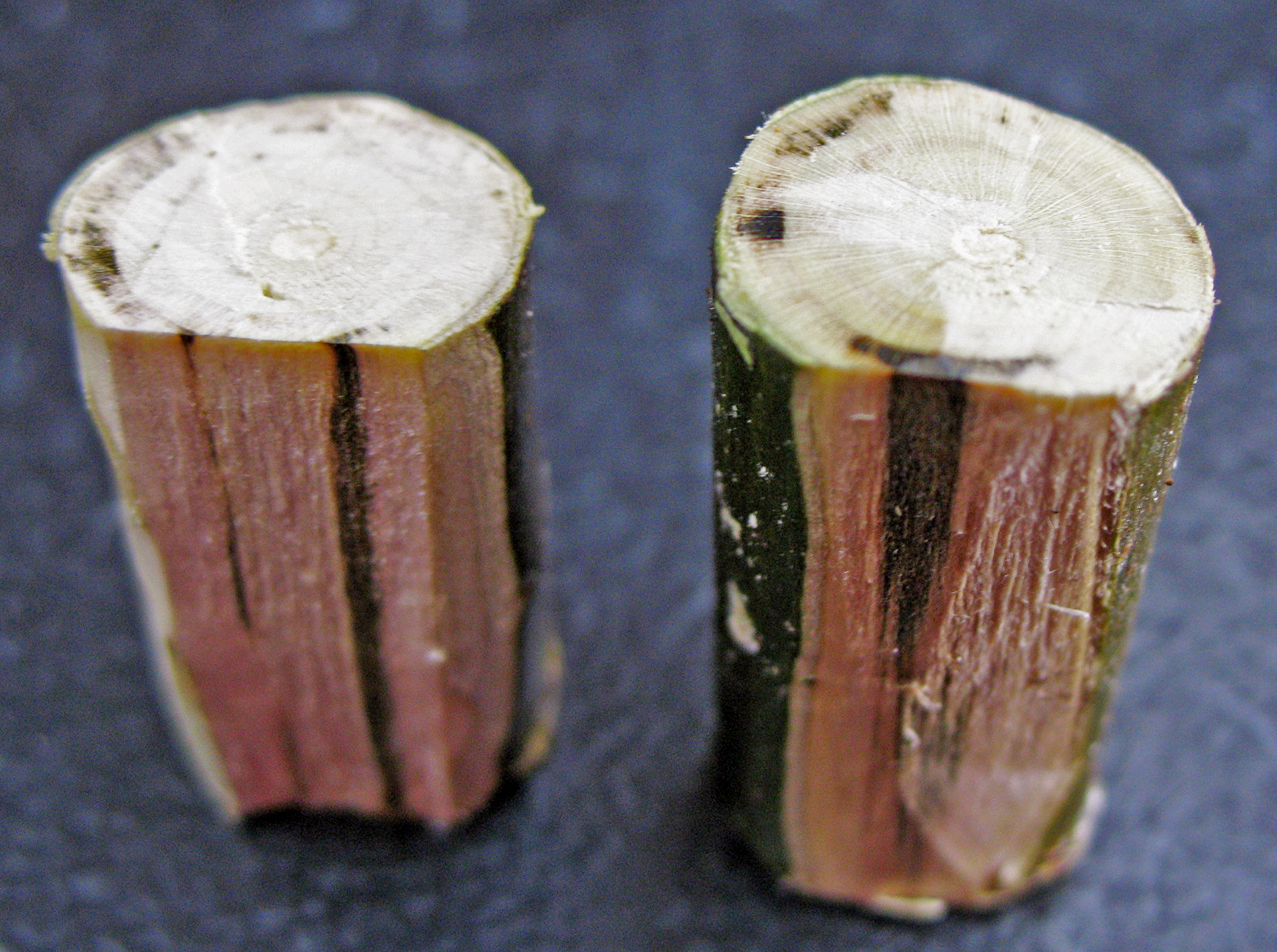
Goldenrain tree (Koelreuteria paniculata) with Verticillium wilt.
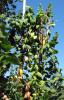


Verticillium wilt symptoms can include wilting and chlorosis as seen in this Cercis canadensis tree.


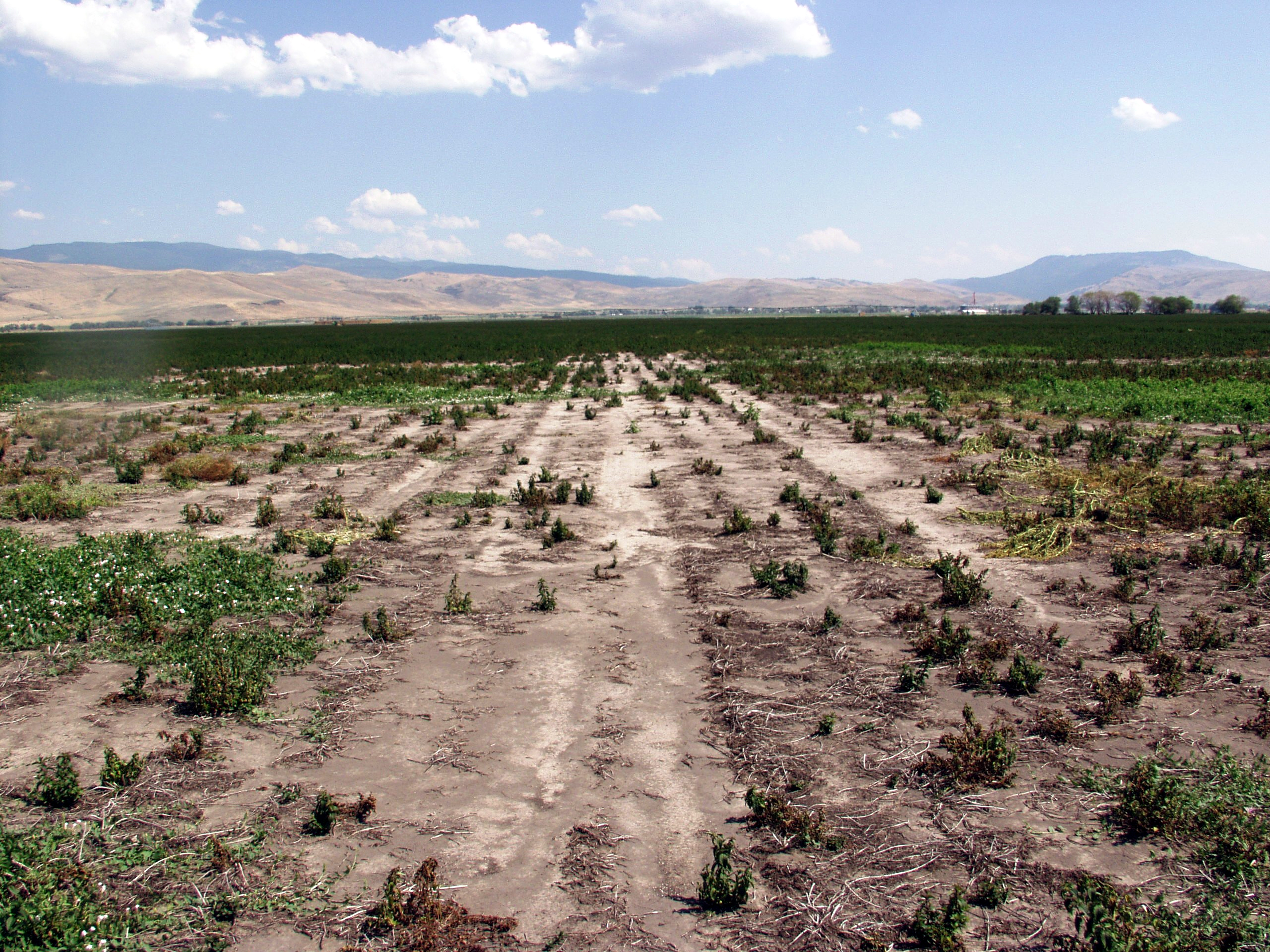


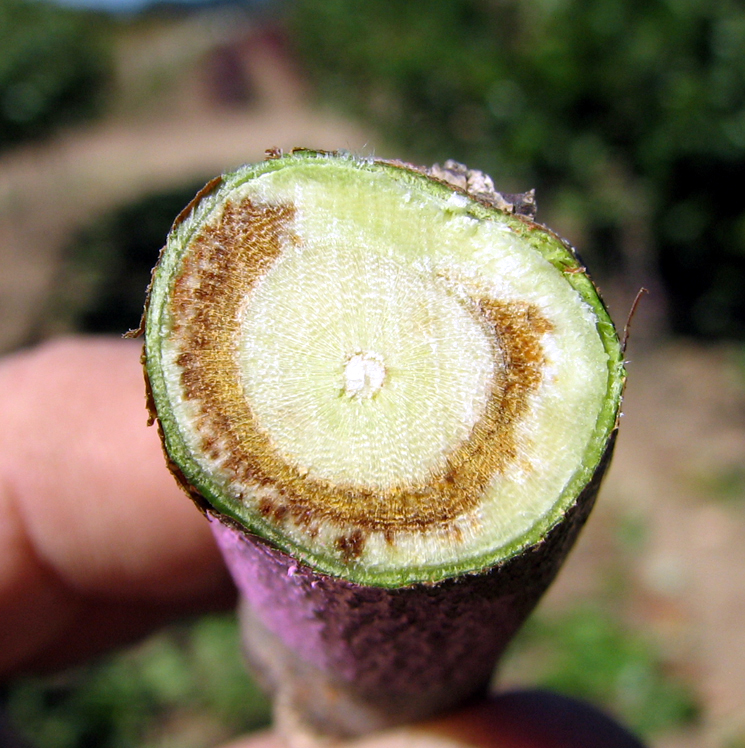
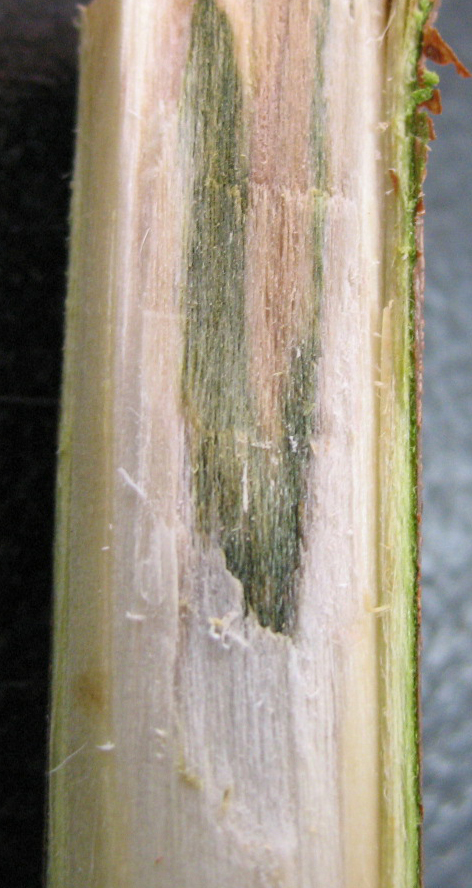
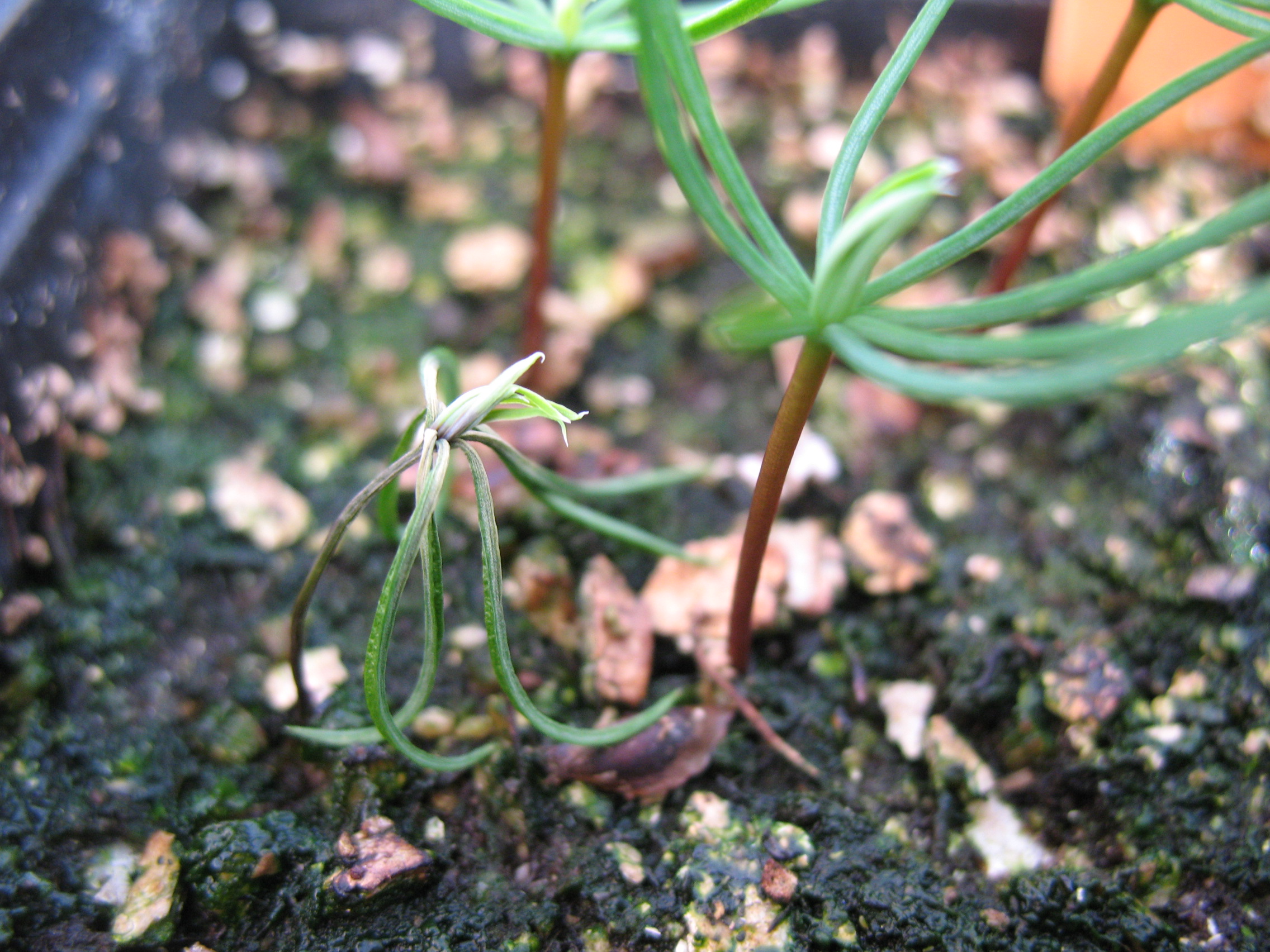
Douglas-fir seedling wilting due to infection with Pythium irregulare.

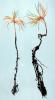
Douglas-fir seedling with with Pythium irregulare - healthy plant on left, 3 diseased plants on right.

Fusarium stem canker on these sugar pine seedlings.
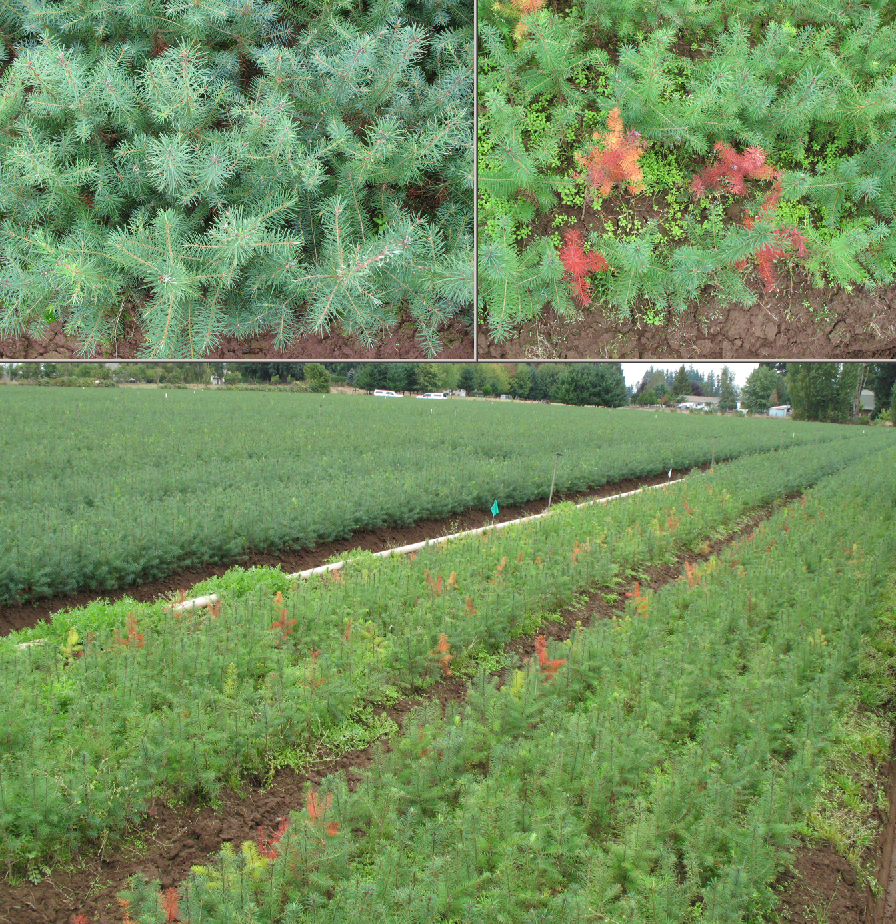
Disease and weed pressure in nonfumigated plot (top right side image and foreground bottom image right) compared to fumigated plot (top left side and bottom image background). Same seed lot for both plots.

Peach powdery mildew caused by the fungus Podosphaera sp.