Plant Disease Management Handbook

See:

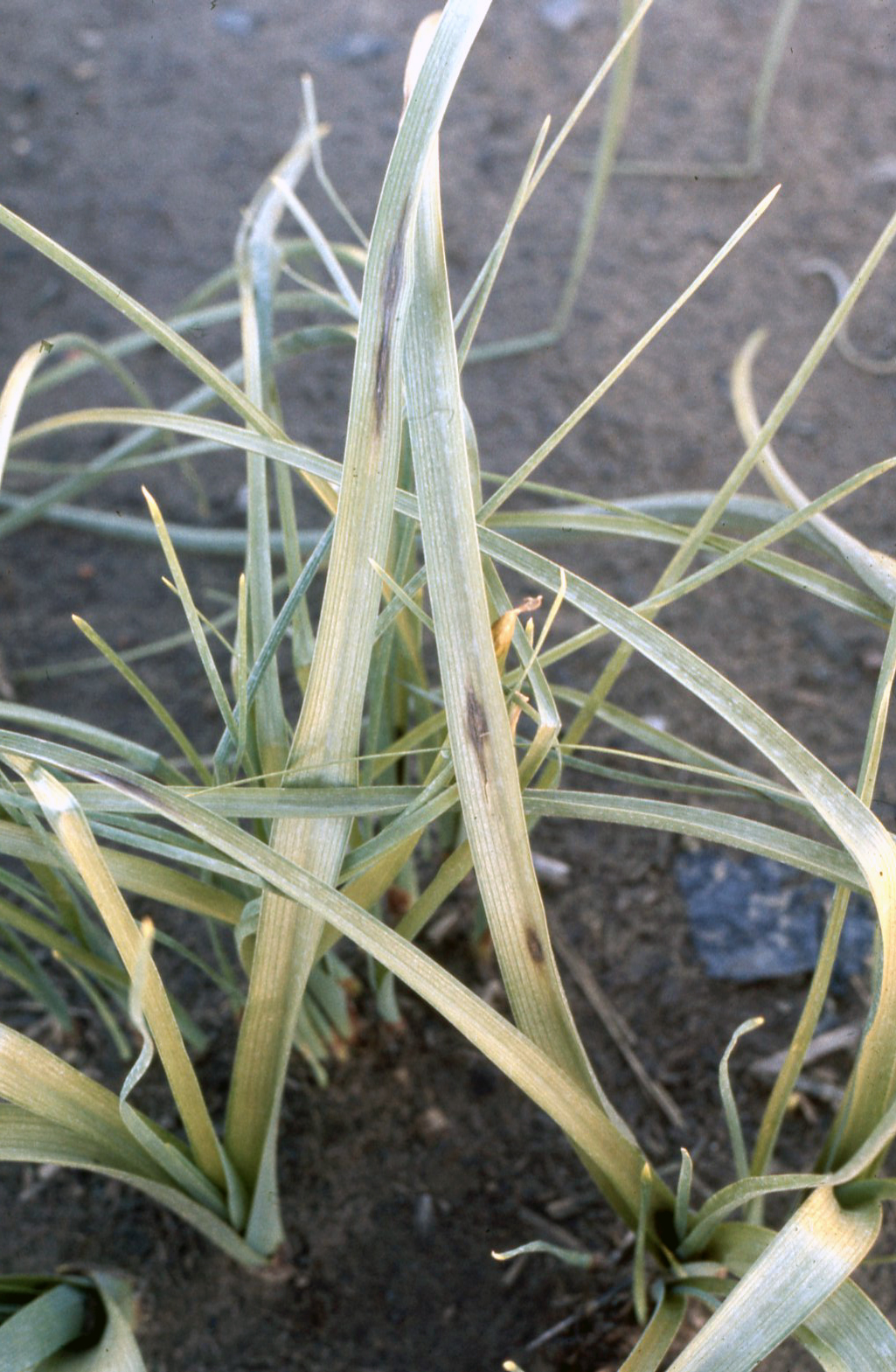
Cause A nematode, Ditylenchus destructor, that lives in soil and can be carried in bulbs. It is rare and only in isolated regions.

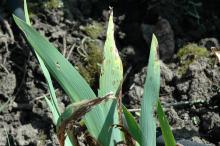
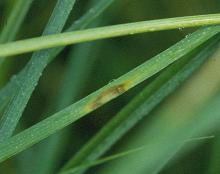
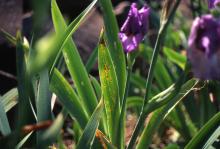
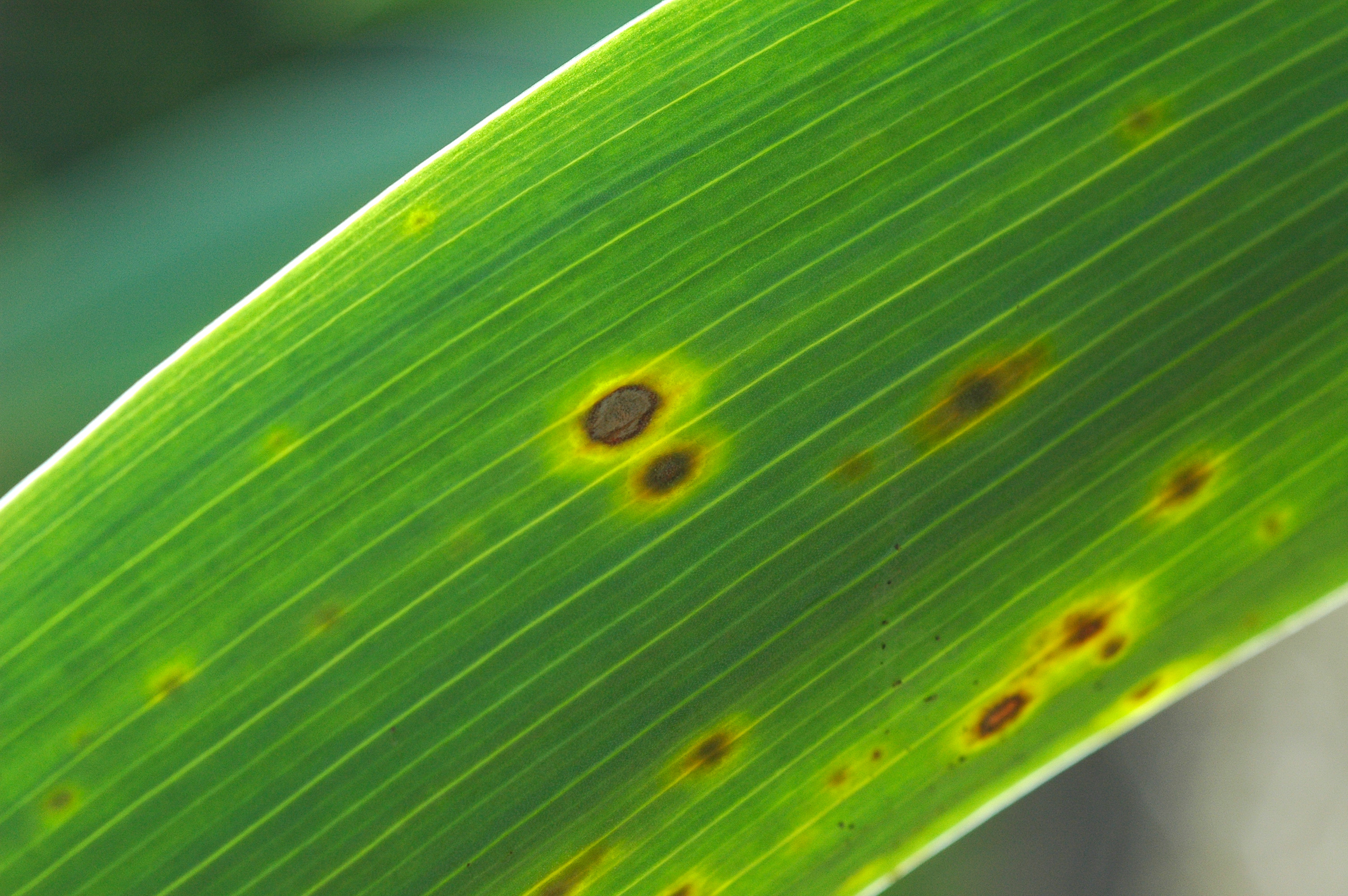
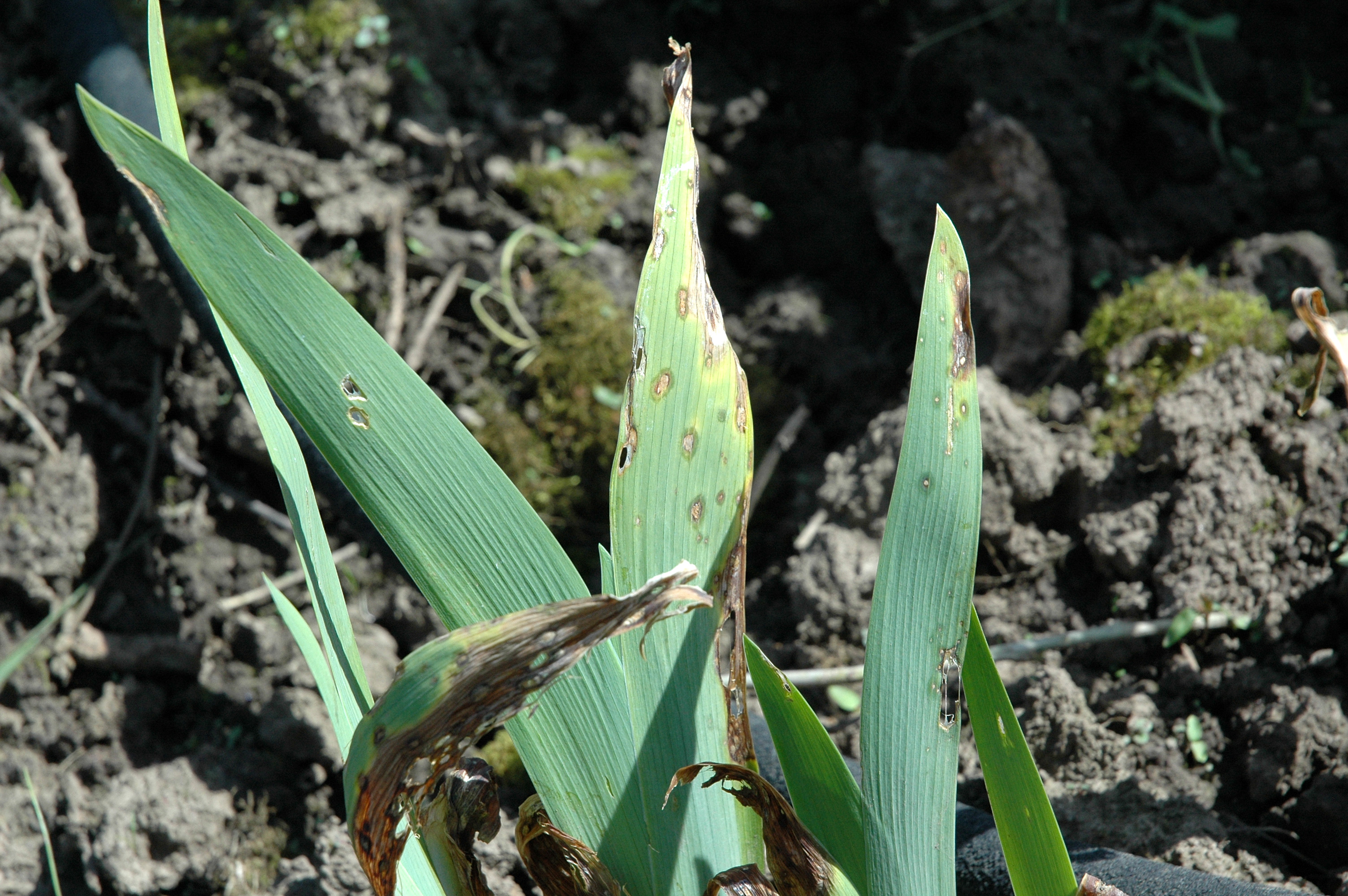
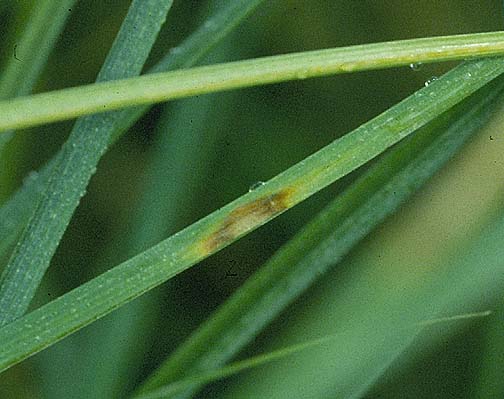
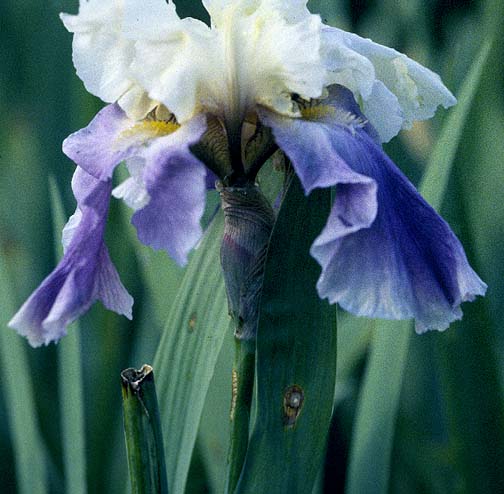
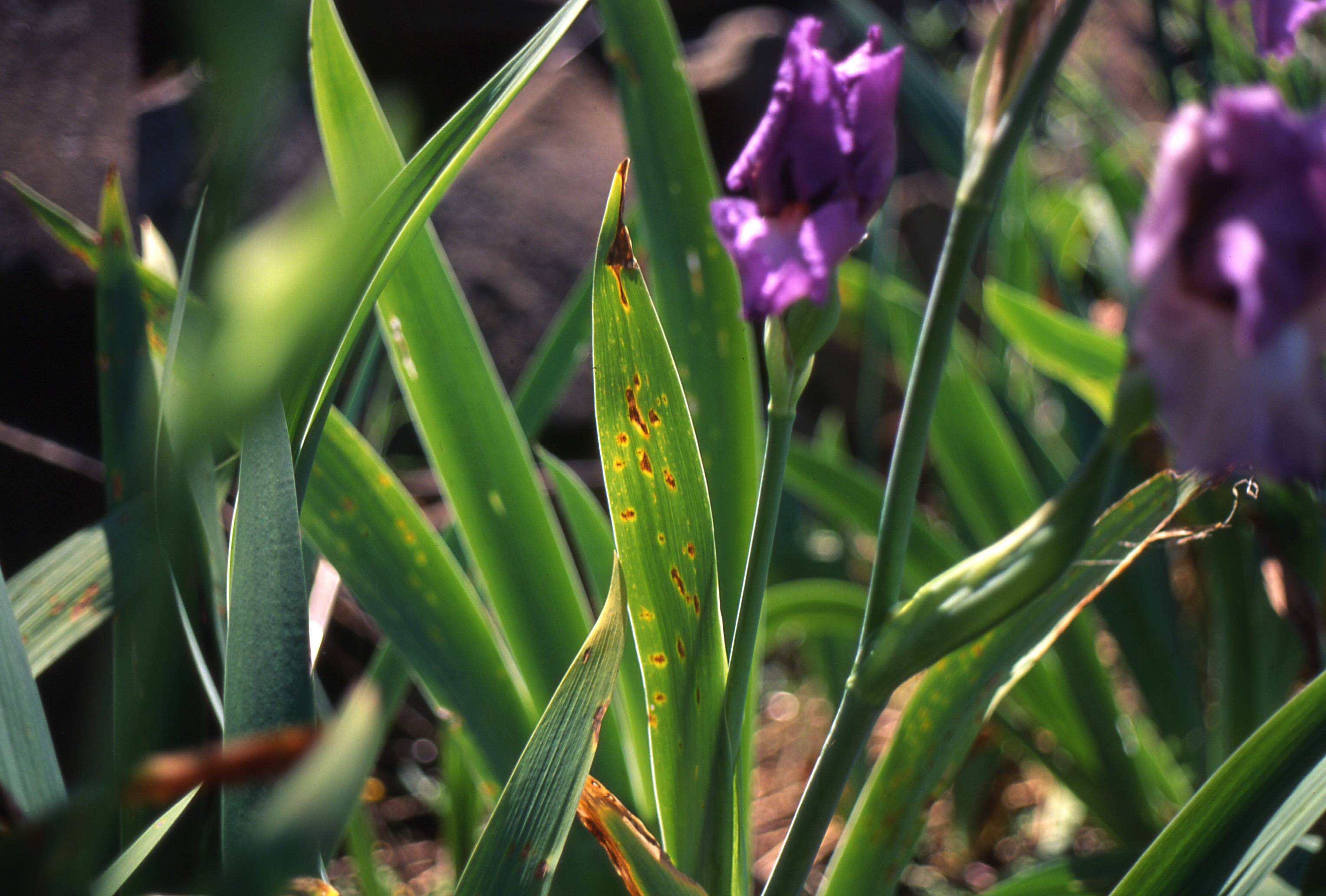
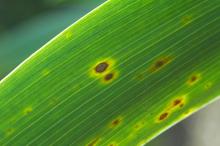
Cause Mycosphaerella macrospora (asexual: Heterosporium gracile), a fungus formerly known as Didymellina macrospora. This is considered the most important foliar disease of iris and can significantly reduce bulb yields. It overwinters on dead leaves and other plant remains. Spores are produced in spring, dispersed by wind and rain and infect leaves directly or through stomata. Several disease cycles can occur in warm, wet weather.

Cause A fungus, Fusarium oxysporum f. sp. gladioli, that lives in soil and plant debris for many years as chlamydospores. Population levels are highest in the top 8 inches of soil. Spores infect roots and cross the basal plate. These infections may continue to enter and spread within the vascular tissues. The fungus is spread widely by contaminated soil and infected corms while local spread can be by water flow and rain splash.

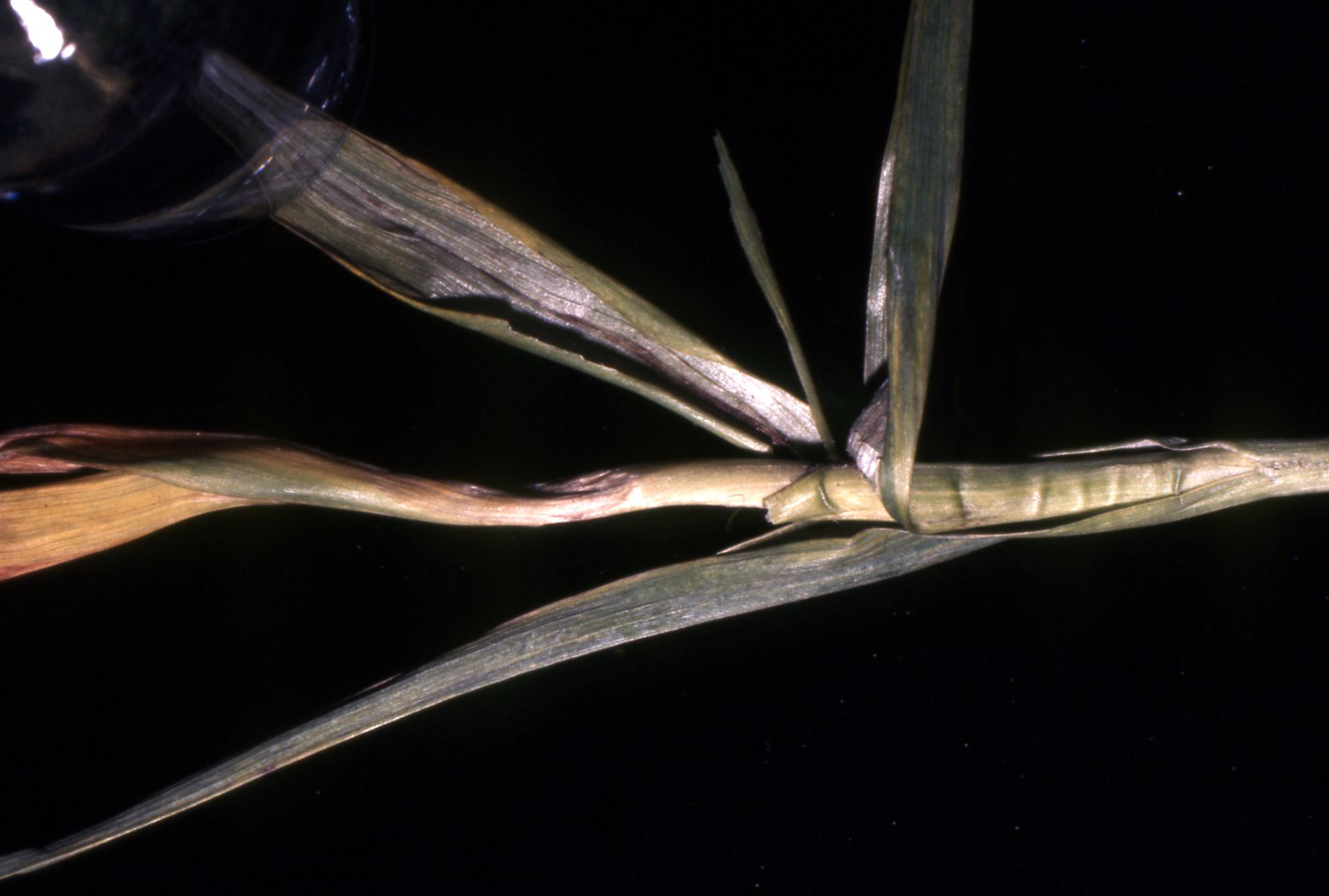
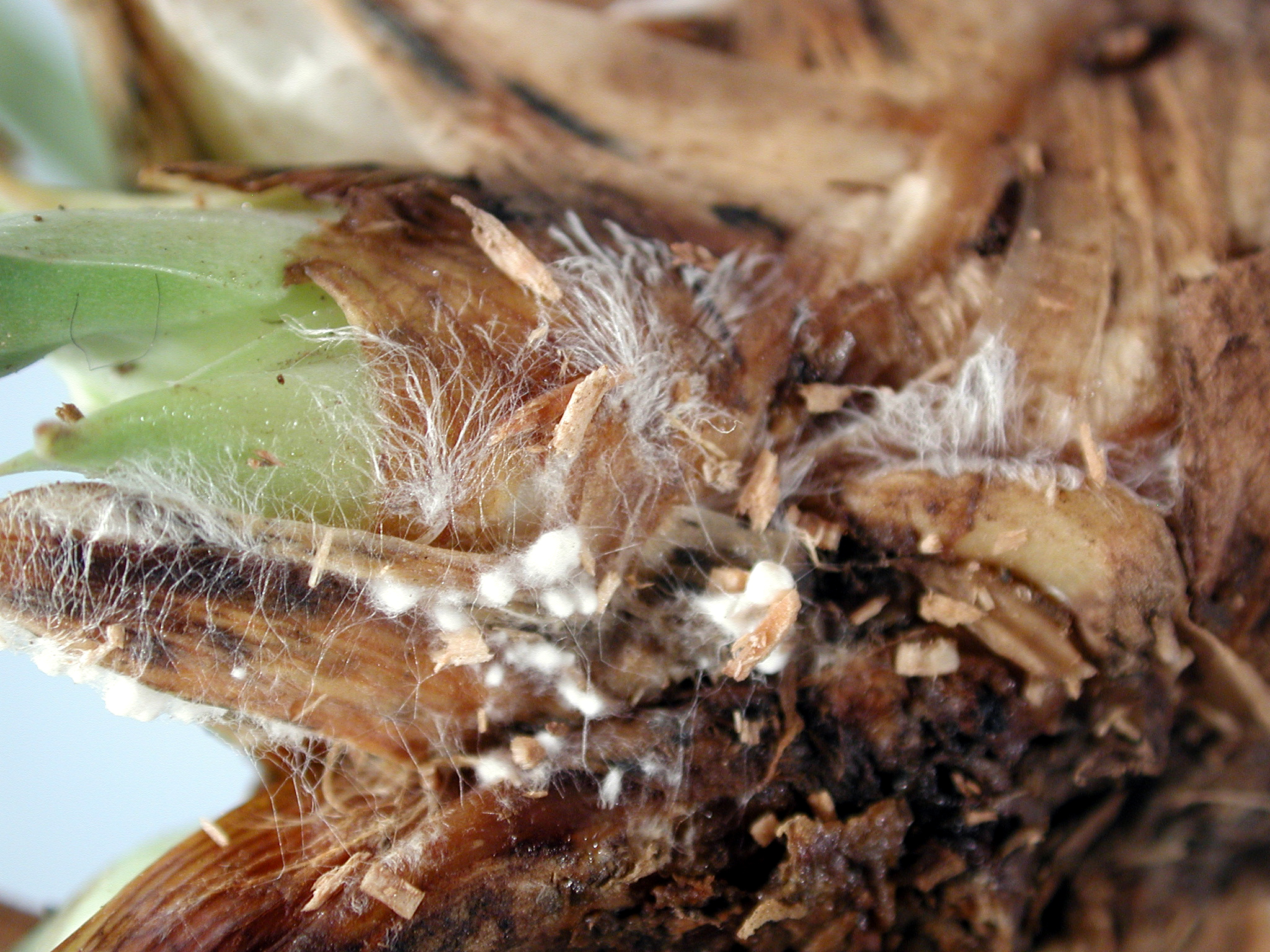
Cause Sclerotium delphinii, a fungus. The sclerotia overwinter in soil or affected plant parts. Infection usually occurs on the stems near the soil surface. Disease development and spread can occur very rapidly under mild to warm, moist conditions in the field or in storage after digging. The disease is widespread and can be serious. In the Pacific Northwest, crown rot is more common on bulbous iris, tulips and lilies than daffodils.