Plant Disease Management Handbook

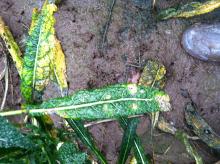
Cause Two fungi have been reported on English ivy in Oregon and Washington: Colletotrichum trichellum, also known as anthracnose; and Phyllosticta concentrica. Rainy or wet conditions favor both fungi. Wounded leaves develop large spots when inoculated with anthracnose.

Image related to Ivy (Hedera helix)-Leaf Spot and Twig Blight

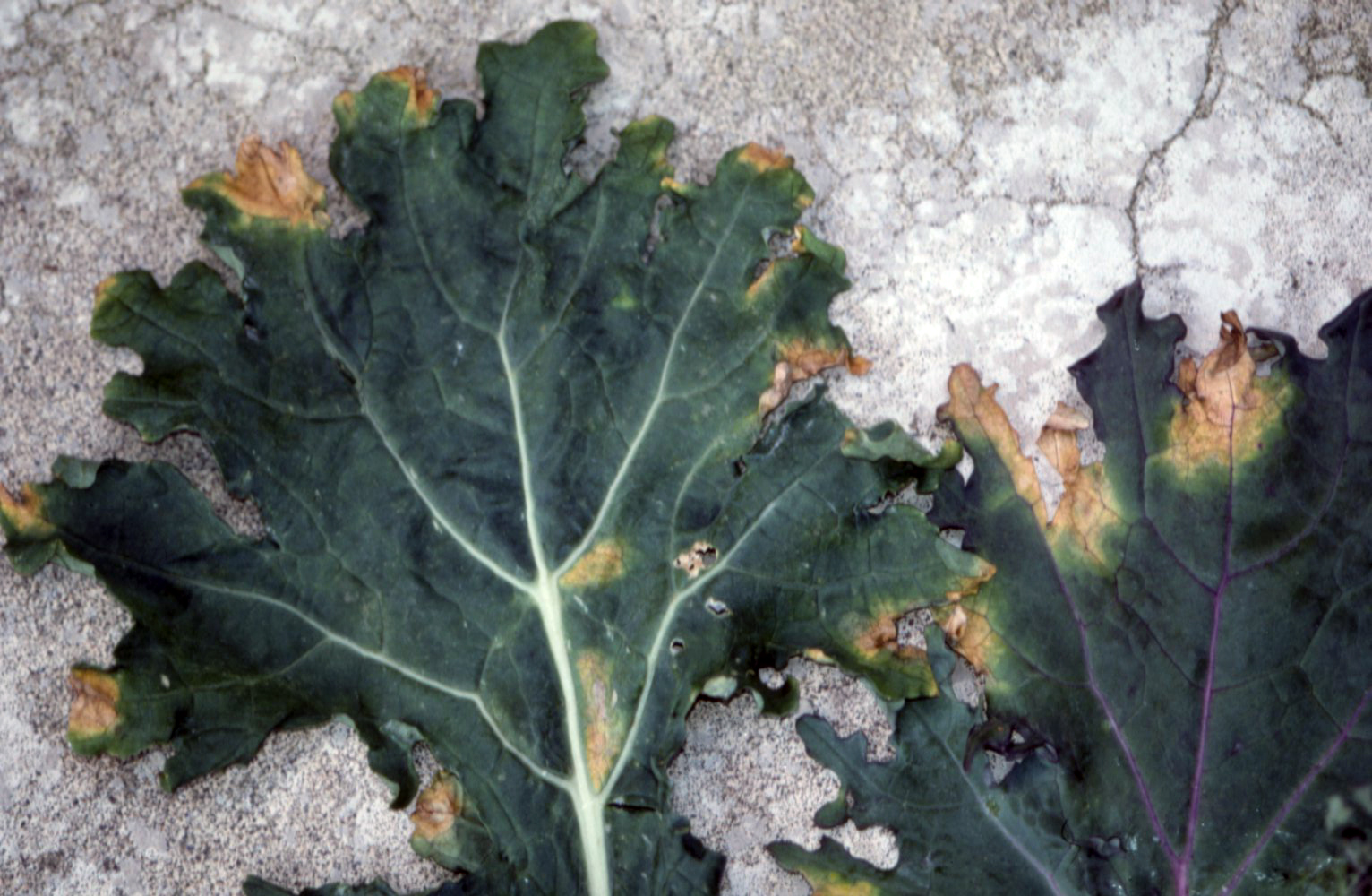
Cause Heat stress is the primary cause of leaf scorch. Drought stress and use of excess fertilizer can also cause a leaf scorch symptom.

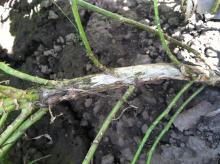
Cause Xanthomonas hortorum pv. hederae (formerly Xanthomonas hederae pv. hederae), a bacterium spread by splashing water and thus favored by overhead irrigation. Dense foliage and closely spaced plants favors disease spread. Bacteria may enter the plant through either wounds or stomata and hydathodes. They survive in infected plant debris and in the soil.

Image related to Ivy (Hedera helix)-Bacterial Leaf Spot and Stem Canker

Cause Iris mild mosaic virus (IMMV) and iris severe mosaic virus (ISMV) are problems for bulbous iris; iris fulva mosaic virus (IFMV) is a problem for rhizomatous irises. All are in the potyvirus group. Transmission by aphids is nonpersistent, however controlling aphid vectors has not been an effective control tactic. Bean yellow mosaic virus (BYMV), turnip mosaic virus (TuMV) and narcissus latent virus (NLV) have also been found. Less commonly found are cucumber mosaic virus, broad bean wilt virus, and tobacco ringspot virus.

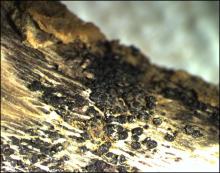
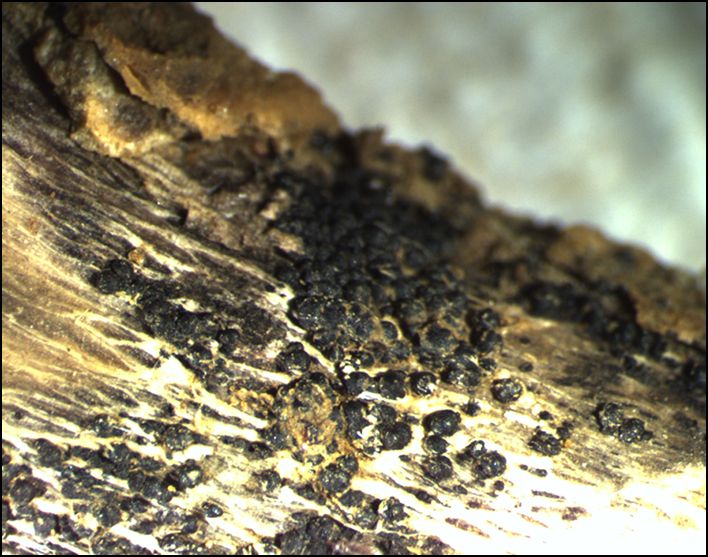
Cause Botrytis convoluta, a fungus that overwinters as large, convoluted, black sclerotia in affected plant parts and in soil. Diseased rhizomes are the principal way by which the disease is disseminated. Frequently, rhizomes appear healthy but carry the fungus as latent infections.

Symptoms Plants fail to grow in spring. Rhizomes rot, and many black, convoluted sclerotia are on them.

See:

Cause A nematode, Ditylenchus destructor, that lives in soil and can be carried in bulbs. It is rare and only in isolated regions.

Cause Mycosphaerella macrospora (asexual: Heterosporium gracile), a fungus formerly known as Didymellina macrospora. This is considered the most important foliar disease of iris and can significantly reduce bulb yields. It overwinters on dead leaves and other plant remains. Spores are produced in spring, dispersed by wind and rain and infect leaves directly or through stomata. Several disease cycles can occur in warm, wet weather.