Insect Management Handbook

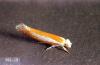
Zelleria haimbachi

Pest description and crop damage Larvae are bright orange; mature insects are tan. Adults lay eggs on needles from early to midsummer. First they mine the needle, then they sever the sheath.

See "Pine" in:

Management-chemical control

malathion
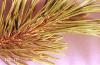
Image related to Pine (Pinus)-Pine sheath miner

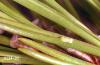
Chionaspis pinifoliae

See:

Pest description and crop damage Elongate, flat, white scale on leaves. May cause severe damage. Pine needle scale also attacks spruce, fir, and occasionally cedar.

See "Pine" in:

Image related to Pine (Pinus)-Pine needle scale

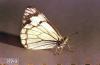
Neophasia menapia

Pest description and crop damage A dark green caterpillar with two white stripes down each side feeds on needles. They do little damage except during outbreak years.

See "Pine" in:

Management-chemical control

See:

Image related to Pine (Pinus)-Pine butterfly

Pineus strobi

Pest description and crop damage White, cottony masses on bark of trunk, branches, or twigs.

See "Pine" in:

Management-chemical control

See:

Cinara strobi

See:

Pest description and crop damage Colonies form in groups on needles. An extensive infestation yellows the tree and promotes sooty mold.

See "Pine" in:

Coloradia pandora

Pest description and crop damage Large, heavy-body moth. Large, brown to yellowish green, spiny larvae feed on needles and may defoliate during outbreak years. Requires 2 years to complete life cycle. Control not needed except in outbreak years.

See "Pine" in:

Management-chemical control

Rhyacionia buoliana

Pest description and crop damage Of concern mainly to pine tree exporters. May cause moderate flagging. Boring larvae kill tips of terminals and laterals. Small trees may be killed. One generation per year.

See "Pine" in

Trisetacus spp.

Pest description and crop damage Microscopic, torpedo-shape mites that feed in needle sheaths, yellowing and distorting new needles.

See "Pine" in:

Management-chemical control

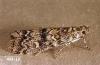
Dioryctria spp.

Pest description and crop damage Small, brownish cream larvae of shoot moths that bore into fresh green cones. They also may bore into trunk cambium, branches, and shoots.

See "Pine" in:

Management-chemical control

See:

Image related to Pine (Pinus)-Coneworm

Nuculaspis californica

See:

Pest description and crop damage Mature scale are almost circular, 0.06 inch in diameter, and yellowish brown to black. Young hatch in spring and summer. This insect attacks various species of pine, ponderosa most commonly, as well as Douglas-fir and hemlock.

See "Pine" in: