Insect Management Handbook

Lecanium spp.

See:

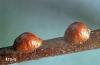
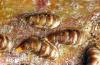
Image related to Rhododendron (Rhododendron)-Lecanium scale

Cacaecimorpha pronubana

See:

Eriococcus azaleae

See:

Pest description and crop damage White, cottony sacs enclosing small, reddish eggs.

Management-chemical control

See:

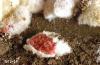
Image related to Rhododendron (Rhododendron)-Azalea bark scale

Masonaphis spp.

See:

Pest description and crop damage Green, soft-body insects. White, cast skins are conspicuous. Usually found only on new tender growth.

Management-biological control

See:

Caloptilia syringella

Pest description and crop damage Slender and straw color. Cause leaf distortion.

Management-chemical control

See:

For more information

Caloptilia syringella

For more information

See:

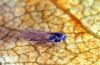
Image related to Privet (Ligustrum)-Lilac leafminer

Leucoma salicis

Pest description and crop damage Brownish caterpillars with white spots on back.

Management-chemical control

See:

Spray in late summer when larvae are seen.

For more information

Image related to Poplar (Populus)-Satin moth

Cryptorhyncus lapathi

Pest description and crop damage Larvae bore under bark and into wood. They weaken and break limbs.

Scouting and thresholds Entry holes and borer damage greatly affect marketability; action thresholds are very low. Prevention is key.

Management-cultural control

Keep trees vigorous.

Management-chemical control

Lepidosaphes ulmi

See:

Image related to Poplar (Populus)-Oystershell scale

Pemphigus spp.

See:

Pest description and crop damage Aphids cause flask-shape galls on leaf petioles. Galls are not hazardous to trees.

Management-chemical control

See:

Image related to Poplar (Populus)-Lettuce root aphid