Insect Management Handbook

Oligotropus betheli

Carulaspis juniperi

See:

Argyresthia cypressella

See:

Management- cultural control

American arborvitae (Thuja occidentalis) is very susceptible to infection. Western red cedar (Thuja plicata) is very resistant.

Cinara spp.

See:

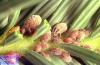
Pest description and crop damage The aphids that infest junipers are large insects, up to 0.2 inch long. Color may range from gray to brownish to dark. The aphids establish large colonies on the twigs but rarely are found feeding on scales.

For more information

Image related to Juniper (Juniperus)-Aphid

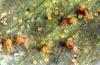
Twospotted spider mite (Tetranychus urticae) and others

See:

Image related to Japanese holly-Spider mite

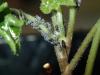
Ivy aphid (Aphis hederae)

See:

Pest description and crop damage Soft-body, greenish aphid.

Dasineura gleditchiae

Pest description and crop damage A tiny midge, or fly, that develops in leaves, deforming them. There are multiple generations each year, as little as 3 to 4 weeks apart. Thornless varieties of honey locust are especially subject to damage.

Management-chemical control

Blepharidopterus (Diaphnocoris) chlorionis

Pest description and crop damage Small green plant bugs, overwintering as eggs. As honey locust buds expand, eggs hatch and nymphs feed on new growth. Adults can be found a month after nymphs first appear; they also feed on new growth. Feeding can cause stippling and growth distortion. Heavy feeding can cause defoliation. There is one generation per year.

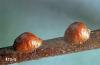
Lecanium spp.

See:

Image related to Holly (Ilex)-Lecanium scale

Several species, including obliquebanded leafroller (Choristoneura rosaceana)

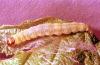
Pest description and crop damage Green, smooth-body larvae feed on and web new growth in spring. Seldom abundant.

Management-chemical control

See: