Insect Management Handbook

Including

American dog tick (Dermacentor variabilis)
Pacific coast tick (Dermacentor occidentalis)
Western black legged tick (Ixodes pacificus)
Winter tick (Dermacentor albipictus)

Image related to Horse-Tick

Including

Horse biting louse (Damalinia equi)
Horse sucking louse (Haematopinus asini)

Including

Black fly (Simulidae)
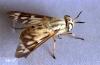
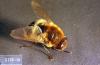
Deer fly (Chrysops spp.)
Horn fly (Haematobia irritans)
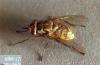
Horse fly (Tabanus spp.)
Stable fly (Stomoxys calcitrans)

Image related to Horse-Biting fly

Includes

Common bot (Gasterophilus intestinali)
Nose bot (Gasterophilus haemorrhoidalis)
Throat bot (Gasterophilus nasalis)

Image related to Horse-Bot

Management-biological control

Management-cultural control

Use of sanitary and manure management programs will reduce the need for insecticide applications. Reduce fly breeding sites by cleaning up feed spills, removing manure and used litter regularly, reducing moisture in manure storage and repairing water leaks.

Management-chemical control

Note: Most of the products listed here cannot be used in areas where food animals are present. Check label for restrictions.

Management-chemical control

Management-cultural control

Under ordinary conditions, insecticide use in the milk room is unnecessary if flies are effectively controlled in other areas of the dairy. Sanitation and manure management reduce the need for insecticide applications. Reduce fly breeding sites by cleaning up feed spills; removing manure and used bedding regularly; reducing moisture in manure storage; and repairing water leaks.

Management-chemical control

Includes Ixodes species. (e.g., deer tick, western blacklegged tick) and Dermacentor species (e.g., American dog tick)

Management-chemical control

Ear tags

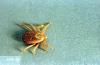
Stomoxys calcitrans

Image related to Dairy cattle-Stable fly