Insect Management Handbook

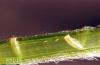
Leaf-rolling sawfly (Onycholyda sitkensis)
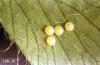
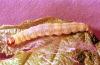
Raspberry sawfly (Monophadnoides rubi)

Image related to Cane fruit-Sawfly

Edwardsiana rosae

Image related to Cane fruit-Rose leafhopper

Includes

Black vine weevil (Otiorhynchus sulcatus)
Rough strawberry root weevil (O. rugosostriatus)
Strawberry root weevil (O. ovatus)

Acalitus essigi

Pest description and crop damage Evergreen blackberries are infested most often, but other caneberries are also susceptible. This four-legged mite is only about 0.25 mm in length and feeds at the base of berry drupelets in spring and summer, which causes persistence of red color at harvest time; affected drupelets remain hard.

Pennisetia marginatum

Image related to Cane fruit-Raspberry crown borer

Byturus unicolor

Image related to Cane fruit-Raspberry beetle (aka Western raspberry fruitworm)

Sciopithes obscurus

Pest description and crop damage Adults are predominantly gray with a wavy brown line across the wing covers. They are about 6-8 mm in length. Larvae resemble strawberry root weevil larvae in appearance and life cycle, and also feed on roots. Adults feed on foliage; they cause little damage to leaves but may contaminate fruit in mechanically harvested fields.

Image related to Cane fruit-Obscure root weevil

Lygus spp., includes tarnished plant bug (Lygus lineolaris)

Pest description and crop damage Adult lygus bugs are oval-shaped, about 4 mm in length with a light yellow 'V' on the back. These bugs feed on developing leaves, flowers and fruit, which kills the tissue around the feeding site. Lygus bugs can be a contaminant in mechanically harvested berries.

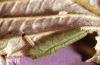
Primarily alfalfa looper (Autographa californica)

Image related to Cane fruit-Looper

Includes

Obliquebanded leafroller (Choristoneura rosaceana)
Orange tortrix (Argyrotaenia franciscana = A.citrana)