Insect Management Handbook

Including

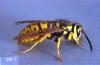
Aerial yellowjacket (Dolichovespula arenaria)
Common yellowjacket (Vespula vulgaris)
German yellowjacket (V. germanica)
Western yellowjacket (V. pensylvanica)

Image related to Cane fruit-Yellowjacket

Nemocestes incomptus

Operophtera brumata

Frankliniella spp.

Synanthedon bibionipennis

Image related to Cane fruit-Strawberry crown moth

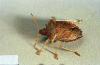
Includes consperse stink bug (Euschistus conspersus)

Pest description and crop damage Large, bright-green bugs, shield-shaped and flattened. They have a foul odor and may contaminate berries at harvest. The machine harvester can shake insects from the plants, potentially contaminating berries going into the harvest trays.

Management-cultural controls

Image related to Cane fruit-Stink bug

Drosophila suzukii

For pest description, crop damage, biology, life history, sampling and cultural management

See:

Management-chemical control: HOME USE

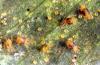
Twospotted spider mite (Tetranychus urticae)
Yellow spider mite (Eotetranychus carpini borealis)

Image related to Cane fruit-Spider mite

Oecanthus fultoni

Image related to Cane fruit-Snowy tree cricket

Arion spp., Deroceras spp., Limax spp.

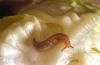
Pest description and crop damage Slow-moving, slimy animals without legs. They may climb canes and move onto berries, and become a contaminant at harvest time. They are most likely to be a problem in cool, wet summers. Slugs migrate into and under crates taken into the field before harvest; keep crates and pallets away from damp soil and grass.

Image related to Cane fruit-Slug