Insect Management Handbook

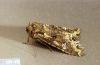
Includes bertha armyworm (Mamestra configurata)

Pest description and crop damage Caterpillars are mostly dark green to black with thin white lines down the back and a light brown head. A white to yellow lateral band runs the length of the body. Larvae feed on cones and leaves.

Management-chemical control
Scutigerella immaculata

Pest description and crop damage Small, white, centipede-like animals with 6 to 12 pairs of legs, rapidly vibrating antennae, and two short projections at rear end. They prune rootlets, feed on root hairs, reduce stands and plant vigor, and can delay harvest in heavily infested plant roots.

Management-chemical control

Image related to Field and silage corn-Garden symphylan

Ctenicera and Limonius spp.

Pest description and crop damage Brown, jointed larvae of click beetles. Wireworms cause problems most often when a corn crop follows turf or pasture. Larvae attack seed, weaken and kill seedlings, and reduce stands.

Management-cultural control

Plowing deeply and using treated seed and insecticides are important management tools for these pests.

Image related to Field and silage corn-Wireworm

Gray garden slug (Deroceras reticulatum) is one of the most common species.

Pest description and crop damage Land mollusks that feed on various plants, damaging roots, crowns, leaves, and fruit.

Management-chemical control

Image related to Field and silage corn-Slug

Delia platura

Pest description and crop damage A small white maggot that attacks germinating seeds. Kills seedlings and reduces stands, occasionally so severely that they need replanting. Damage is most severe when corn is planted early in the season, and germination and seedling emergence are delayed.

Management-chemical control

Typically, best and most economic control is achieved with insecticide-treated seed.

Image related to Field and silage corn-Seedcorn maggot

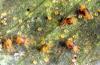
Tetranychus spp.

Pest description and crop damage Tiny eight-legged animals that feed on the lower surface of leaves. They cause yellowing and silvering of plants. They may cause early maturity and reduced quality. Usually they do not cause economic damage.

Management-chemical control

Image related to Field and silage corn-Mite

Several species

Pest description and crop damage Have caused extensive defoliation during some years.

Management-chemical control

Includes

Black cutworm (Agrotis ipsilon)
Western bean cutworm (Loxagrotis albicosta)

Diabrotica spp.

Image related to Field and silage corn-Corn rootworm