


Lygus spp.
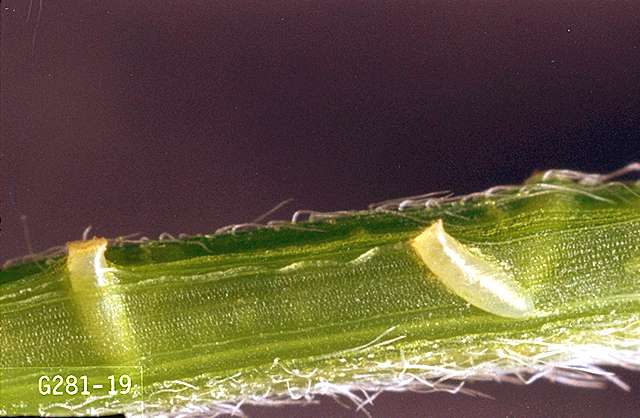
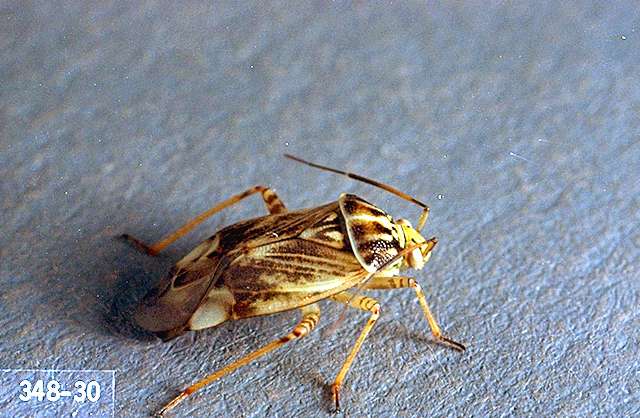
Pest description and crop damage Adults are 0.18 inch in length and have a light yellow V on the back. Lygus bugs pierce buds and suck sap, injuring both vegetative and reproductive buds. Damage includes blasted buds, blossom drop, and shriveled seed.
Management-chemical control
- acephate (Orthene 97) at 1 lb/A (1.03 lb ai/A). REI 24 hr. For suppression of lygus bugs. Use of a buffering agent and anti-drift agent is suggested. Allow a minimum of 7 days between applications. Do not apply more than 2 lb/A (1.06 lb ai/A) per crop year. Do not apply through any type of irrigation system. This product is highly toxic to bees exposed to direct treatment on blooming crops or weeds. Do not apply to blooming carrot seed crops during the pollination period. Do not spray if there is another seed field within a half mile that is being pollinated. No portion of treated plants can be used for food or feed. 24c SLNs: Orthene 97 (Washington only), WA-090021 (expires 12/31/28).
- gamma-cyhalothrin (Declare) at 0.01 to 0.015 lb ai/A. REI 24 hr. Do not exceed 0.06 lb ai/A per season. This product is highly toxic to bees exposed to direct treatment or residues on blooming crops or weeds. The low rate may be applied from late evening to midnight during bloom. Do not apply at the 0.015 rate to blooming seed crops. Do not apply to daikon radish. Toxic to fish and aquatic invertebrates. Do not apply within 25 ft of an aquatic habitat, 150 ft if applied by air. Apply with ground or air equipment. Section 18 label allows application to radish seed in Oregon only.