Plant Disease Management Handbook

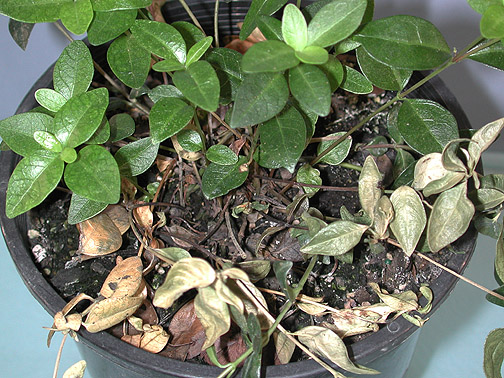
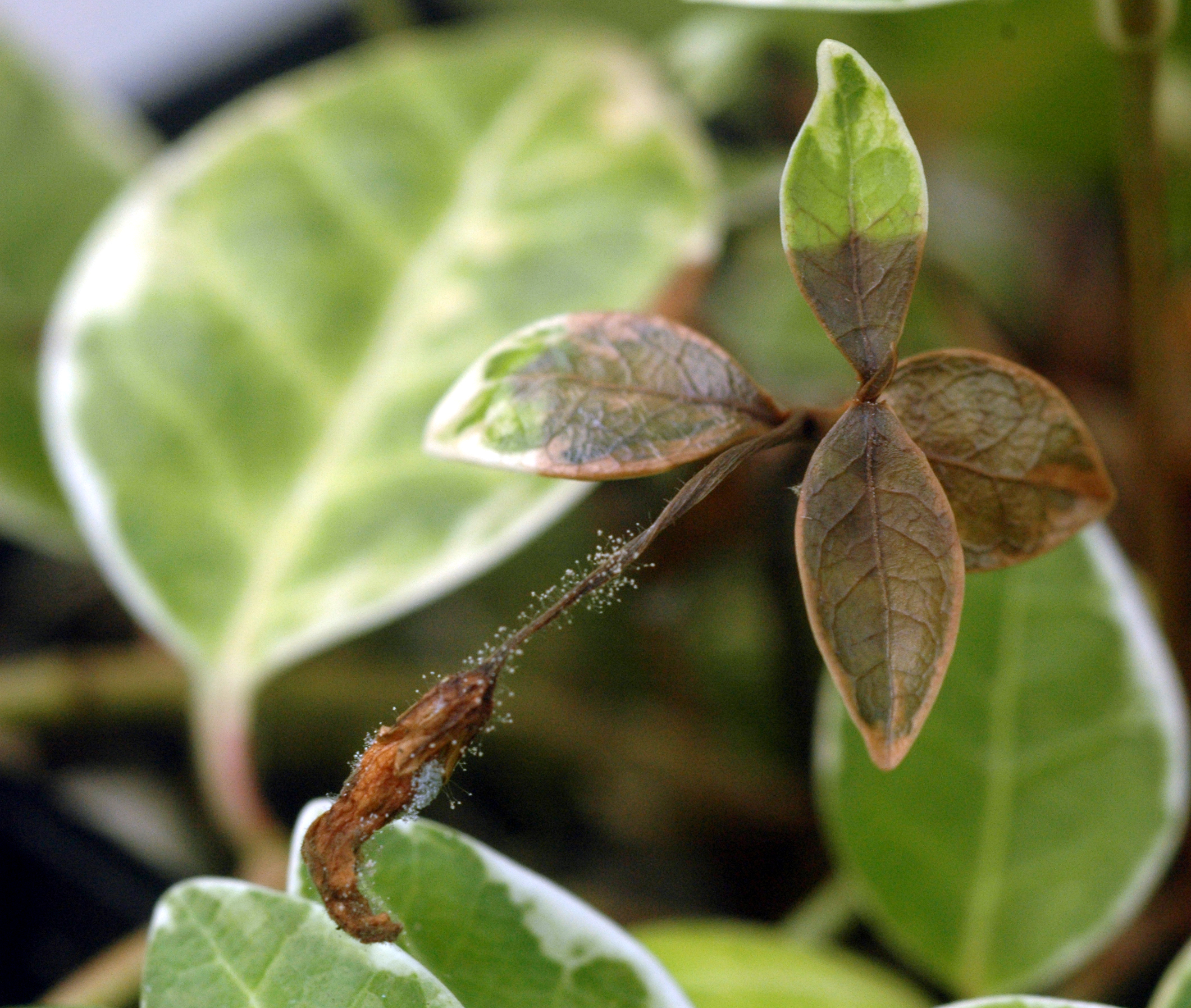
Image related to Verbena-Botrytis Blight
Image related to Turnip and Rutabaga (Brassica sp.)-White Leaf Spot and Gray Stem

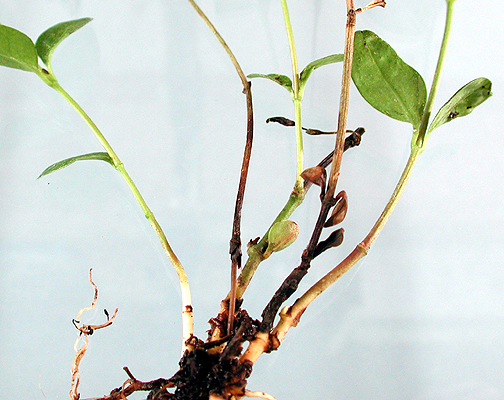
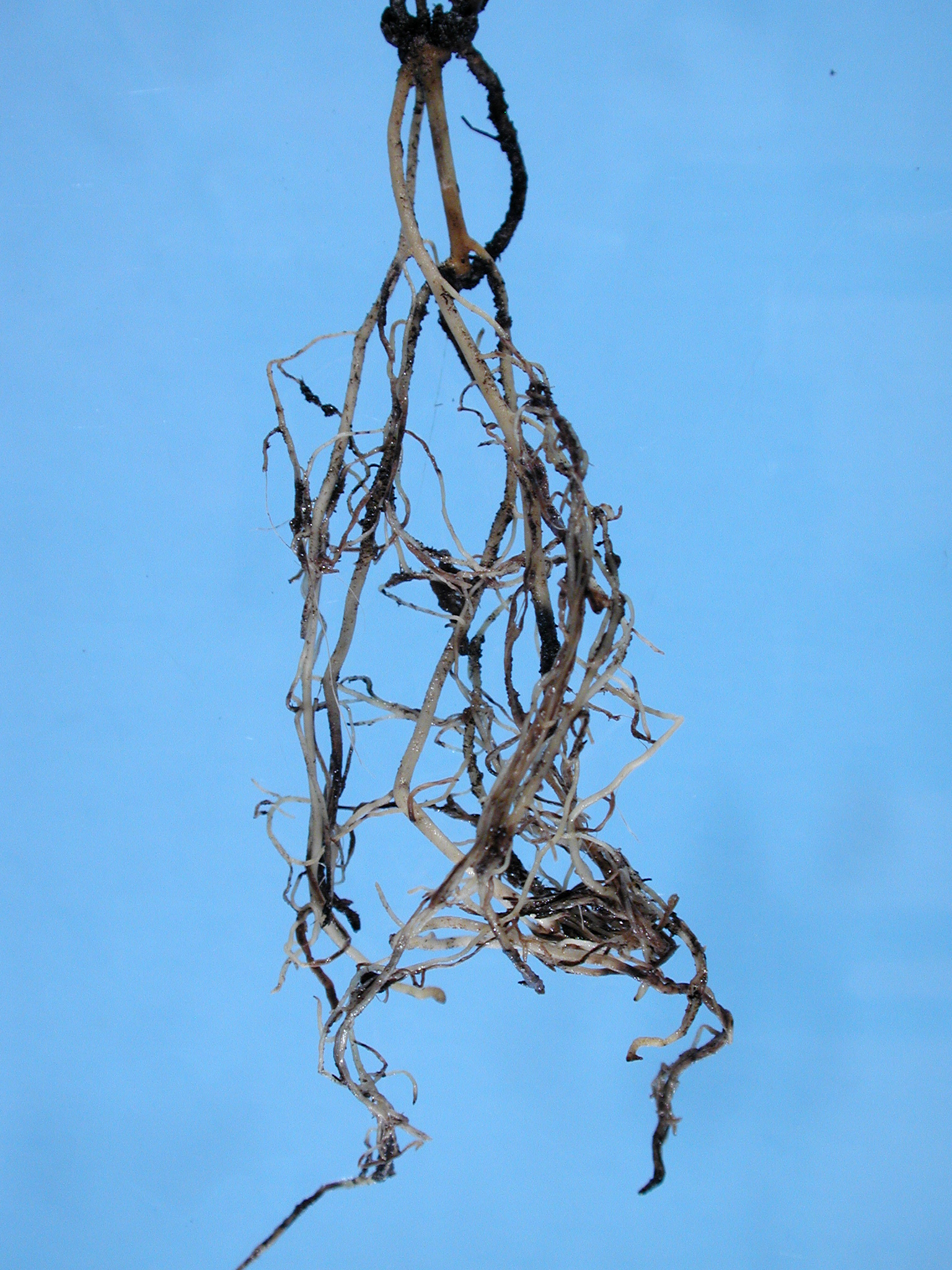
Cause The fungi or fungus-like microorganisms, Pythium spp., Fusarium spp., and Rhizoctonia solani, attack young seedlings of many vegetables, including members of the genus Brassica. These soilborne microorganisms can persist indefinitely in soil or plant debris. If seedlings are affected before emergence, it appears as poor germination.

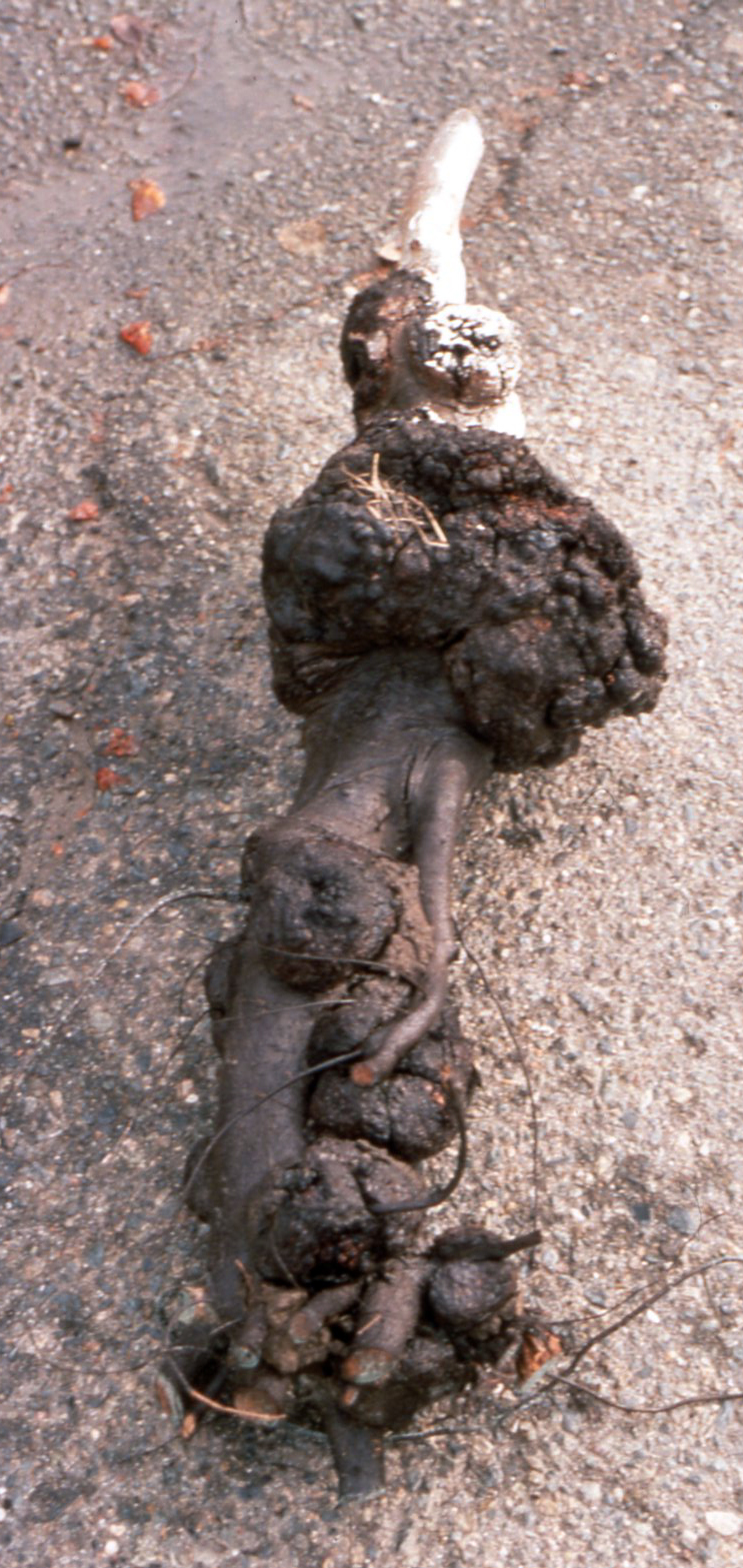
Image related to Turnip and Rutabaga (Brassica sp.)-Clubroot
Image related to Turnip and Rutabaga (Brassica sp.)-Light Leaf Spot

Cause Deficiency or unavailability of boron in the soil and subsequent deficiency in the plant. All vegetables require boron for growth, but the amount required varies considerably. Turnip, rutabaga, and cauliflower are sensitive to boron deficiency, which is common in soil that is alkaline or sandy and subject to excessive leaching. In any soil, boron also may become less available during long droughts.

Image related to Turnip and Rutabaga (Brassica sp.)-Black Rot