Plant Disease Management Handbook

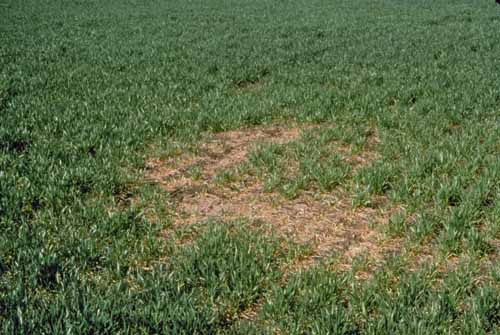
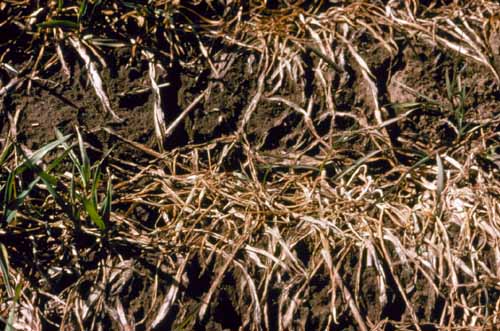
Cause The cereal cyst nematodes, Heterodera avenae and H. filipjevi, occur in at least seven Western States including Idaho, Washington, Oregon, and California. This nematode has a wide host range in the Gramineae including oats, wheat, barley, rye, triticale and ryegrass. Susceptible spring grains are barley, oats, wheat, rye, and triticale. Spring varieties are more severely affected than fall varieties because the nematode attacks in spring when plants are small.

See:

Cause A fungus, Ustilago tritici, carried inside seed, infects wheat, triticale, rye, and some grasses. Wind-blown spores infect flowers and grow into seed. Infection is favored by cool, humid weather.

Image related to Wheat (Triticum aestivum)-Loose Smut
Image related to Wheat (Triticum aestivum)-Leaf Rust (Brown Rust)

Cause The fungus, Tilletia indica, which can be introduced in contaminated seed. The fungus may become established as persistent spores in soil. It is not currently known to be in Pacific Northwest soils. If it or the disease were detected in locally produced wheat, the industry could suffer serious economic damage because the fungus is strictly regulated in international and domestic seed and grain trades.

Image related to Wheat (Triticum aestivum)-Crown Rot (Foot Rot, Seedling Blight, Dryland Root Rot)

Cause Several species of Fusarium can cause scab, including: F. graminearum, F. avenaceum, F. culmorum, and Microdochium nivale (formerly Fusarium nivale).

See:

Cause The fungus, Urocystis agropyri, which overwinters as spores on seed or in soil. It infects wheat before seedlings emerge. Spores may survive several years in soil.

Image related to Wheat (Triticum aestivum)-Flag Smut
Image related to Wheat (Triticum aestivum)-Eyespot (Foot Rot, Strawbreaker)

Cause The fungus, Claviceps purpurea, attacks barley, oats, rye, triticale, and numerous wild grasses as well as wheat. The hard black sclerotia of the fungus germinate to produce stromata, which form ascospores carried by wind or insects to the flowering cereal. A conidial stage, called honeydew, forms on the infected head; insects can transmit the honeydew to uninfected flowers. Sclerotia formed on the heads drop to the ground or are mixed with seed for the next year.

Image related to Wheat (Triticum aestivum)-Ergot