Insect Management Handbook

Diabrotica undecimpunctata

Pest description and crop damage Yellowish green, black-spotted beetle, common only in western Oregon and Washington. Adults feed on tender seedlings and retard or destroy the stand. This insect also has been observed damaging red clover and trefoil blooms.

Management-chemical control

No treatments currently listed.
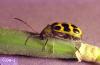
Image related to Clover seed-Western spotted cucumber beetle

Sitona cylindricollis

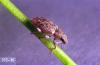
Pest description and crop damage Adults are gray or brownish gray and about 0.25 inch in length. Weevils feed on and notch foliage. Most severe damage is to seedling plants. Sweet clover is the primary host, but weevils also attack alfalfa and have been found on ladino clover.

Management-chemical control

Image related to Clover seed-Sweetclover weevil

Includes

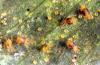
Strawberry spider mite (Tetranychus turkestani)
Twospotted spider mite (T. urticae)

Image related to Clover seed-Spider mite

Various species

Pest description and crop damage Mollusks that feed on various plants, damaging roots, crowns, leaves, and fruit. Snails and slugs are nocturnal and generally feed during the night damaging many varieties of plants and plant seedlings. They inhabit damp, moist areas around decaying refuse, organic matter, and hide at the base of growing plants. Their presence can be detected by the shiny trails left on the soil surface.

Management-chemical control

Sitona lineata

Pest description and crop damage Adults are small, grayish brown, faintly striped weevils about 0.17 inch long. They appear in large numbers in spring and sometimes late summer. Adult feeding may kill seedling plants and seriously defoliate older stands.

Management-chemical control

Image related to Clover seed-Pea leaf weevil

Cnephasia longana

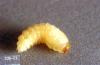
Pest description and crop damage Yellowish brown larvae with brown heads and light longitudinal stripes on each side of the back. They web terminal leaves and feed on new growth. Damage is in May and June. There is one generation per year. They seldom are a problem except in the Willamette Valley.

Management-chemical control

Meligethes nigrescens

Pest description and crop damage Shiny black beetles about 0.09 inch long. Adults seeking pollen damage flowers and prevent seed set. Browned flowers are unattractive to pollinating insects. This insect is primarily a pest of red or white clovers blooming in July. Beetles usually are active in clover fields mid-July through August.

Management-chemical control

Image related to Clover seed-Nitidulid beetle

Philaenus spumarius

Pest description and crop damage Nymphs stunt plant growth and are recognized easily by spittle mass. An average of one nymph or more per stem may damage alfalfa, clover, and many other crops.

Management-chemical control

Image related to Clover seed-Meadow spittlebug

Lygus spp.

Pest description and crop damage Adults are 0.2 inch in length with a light yellow 'V' on the back. Lygus bugs pierce and damage meristematic tissue causing blasted buds, blossom drop, and shriveled seed. Lygus bugs reduce yields of alsike and ladino clover seed but are not considered a pest of red clover. Clover seed weevil treatments usually control lygus on white clover.

Management-chemical control

Includes alfalfa looper (Autographa californica)

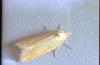
Pest description and crop damage Adult moth is grayish to light brown. Mature larvae are about 1 inch in length, light green to olive-green, with a pale head. They move in a looping fashion.

Management-chemical control

Image related to Clover seed-Looper