Insect Management Handbook

Several species

Anuraphis craetaegifoliae

See:

Pest description and crop damage Pinkish green to yellowish green aphid; causes leaves to curl tightly.

Tetranychus spp.

See:

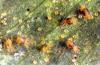
Image related to Golden chain (Laburnum)-Spider mite

Leucoptera (probably Iaburnella)

See:

Pest description and crop damage Mines leaves in blotches and can defoliate trees.-biological control

May be under control by natural parasites.

Management-chemical control

See:

Several species

See:

Aculops fuchsiae

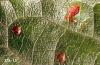
Pest description and crop damage Tiny mites (Eriophyidae) infest growing tips, young leaves, and blooms and cause distorted, twisted, and blistered growth. They are primarily in coastal areas. They are spread by wind and by movement of infested stock.

Management-biological controls

Predatory mites are important biological control agents.

Management-cultural control

Oligonychus ununguis

See:

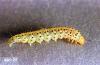
Pest description and crop damage Adult moths are mottled orange-brown and have a wingspan up to 1 inch. The larvae are typically green to brown with a darker head and grow to approximately 1 inch in length. These larvae feed on the buds and foliage and may tie shoot tips together with webbing to make a nest.