Insect Management Handbook

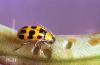
Diabrotica undecimpunctata

Image related to Rose (Rosa)-Western spotted cucumber beetle

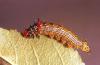
Oedemasia salicis

Image related to Rose (Rosa)-Redhumped caterpillar

Western flower thrips (Frankliniella occidentalis) and other species

Forest tent caterpillar (Malacosoma disstria)
Western tent caterpillar (Malacosoma californica)

Panonychus ulmi
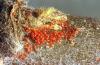
Tetranychus spp.

Image related to Rose (Rosa)-Spider mite

Ceratina spp.

Pest description and damage Small bees, 0.18 inch in length and metallic blue or blue-green, burrow into the pith of cut stems to create cells for their young. Cells are provisioned with pollen and nectar. Damage is not serious. These bees can burrow only in pruned stems.

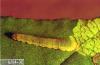
Marmara spp.

Pest description and damage The legless larvae of this leaf- and twig-mining moth make sinuous, serpentine mines across the undersides of leaves. Where they cut through veins, the distal portion of the leaf may fade in color. Although damage is unsightly on individual leaves, they do not affect the long-term health or aesthetic quality of the plant. The moths are frequently black with horizontal stripes.

Management-cultural control

Includes

Bristly roseslug (Cladius pectinicornis)
Curled rose sawfly (Allantus cinctus)
Roseslug (Endelomyia aethiops)

Image related to Rose (Rosa)-Rose sawfly

Dasineura rhodophaga

Pest description and damage The rose midge is a tiny (about 0.05 inch in length) yellow-brown or reddish fly that lays its eggs in newly developing bud and shoot tips. The hatching maggots feed on the growing tips or new rose canes. The mature maggots are about 0.0625 inch long and white to reddish in color. New buds and shoots are deformed and killed, and the dead tissues turn brown or black. Abnormal flowers develop from damaged buds.

Includes Edwardsiana rosae

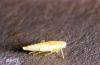
Image related to Rose (Rosa)-Rose leafhopper