Insect Management Handbook

Merhynchites bicolor

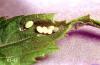
Image related to Rose (Rosa)-Rose curculio

Numerous species

Pegomya rubivora

Includes

European (filbert) leafroller (Archips rosana)
Fruittree leafroller (Archips argyrospila)
Oblique-banded leafroller (Choristoneura rosaceana)
Pandemis leafroller (Pandemis pyrusana)

Megachile spp.

Description, biology and damage Leafcutting bees are about 0.4 inch in length, black with white stripes and look like small bumblebees. Female leafcutting bees remove smooth oval, circular or semicircular notches from the edges of leaves of roses and other plants. These leaf pieces create protective cells for raising their young. Leafcutting bees are important pollinators and seldom do major harm to plants.

Mossy rose gall wasp (Diplolepis rosae)
Spiny rose gall wasp (Diplolepis bicolor)

Hyphantria cunea

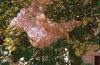
Image related to Rose (Rosa)-Fall webworm

Macrosiphum rosae

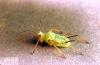
Image related to Rose (Rosa)-Aphid

Numerous species

Pest description and damage Identification is important as root weevil species differ in susceptibility to pesticides. Adult weevils are dark colored, nocturnal beetles from 0.2 to 0.25 inch in length, with a snout (rostrum) and elbowed antennae. Look for ragged notches on the edges of leaves, or flower petals. Larvae are C-shaped, legless, and white, sometimes reddish, with tan heads, up to 0.5 inch in size. Larvae rarely cause significant root girdling damage in established landscapes.

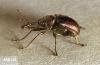
Image related to Rhododendron (Rhododendron)-Root weevil

Dialeurodes chittendeni