

See:
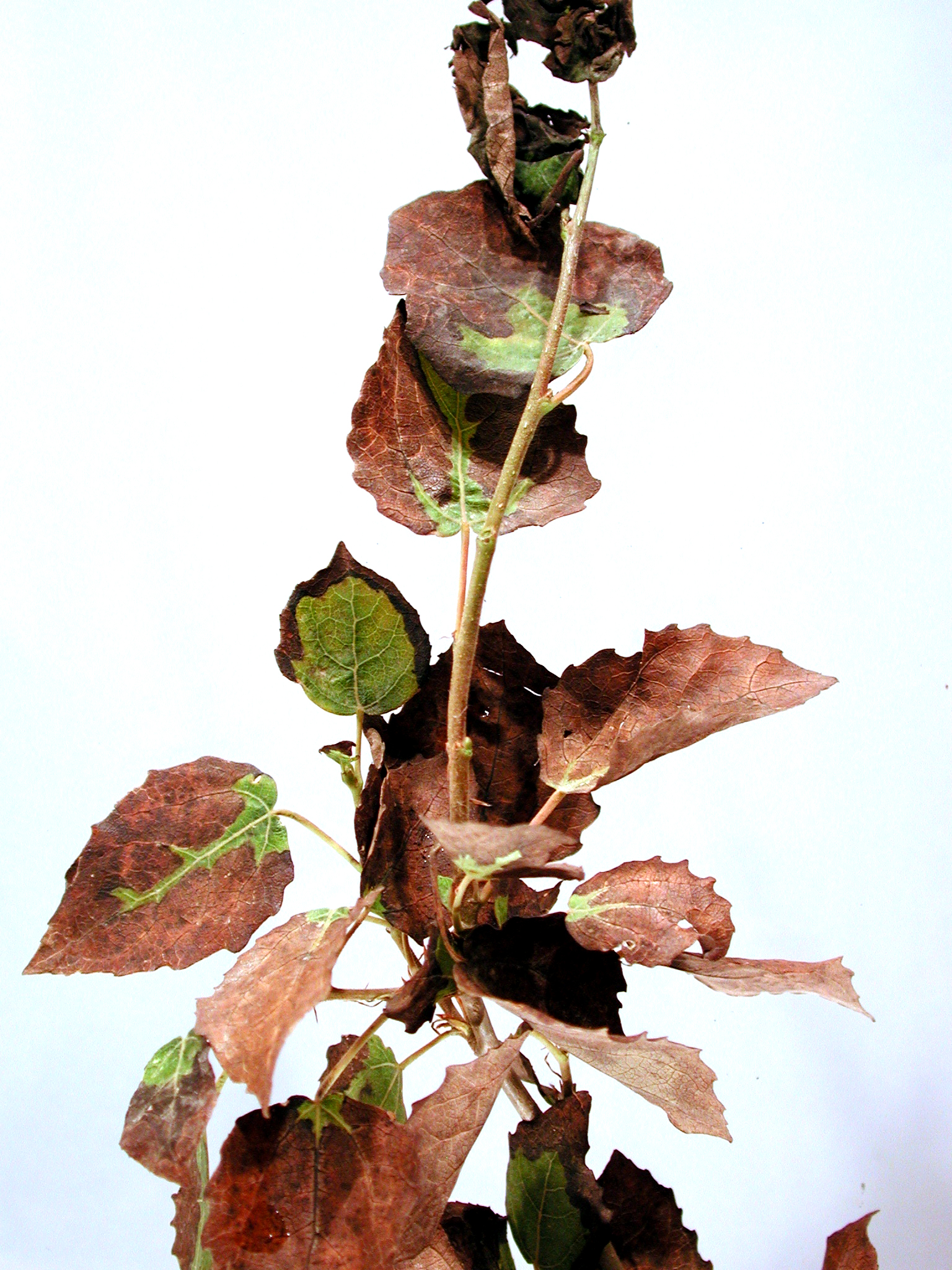
Maple (Acer spp.) - Leaf Scorch
Cause Drought or heat stress may cause leaf scorch. This has been diagnosed many times by the OSU Plant Clinic. In general, there is not enough water reaching the leaf margin to keep up with transpiration. An interruption of the vascular system, as with cankers, can also produce these symptoms. Or, too much salt (from over-fertilization) has been translocated to the leaf margins. Poorly installed trees with lack of root establishment can also result in the same symptoms and may be referred to as transplant shock.
Symptoms Leaf margins and areas between veins turn brown. Twig dieback may follow. Symptoms can be severe in eastern Washington when bright, hot days follow cool, moist weather during leaf emergence. Sun or heat related stress will occur primarily on the south side of plants.
Cultural control Prevention is the key as there is no remedial action that can be taken once leaves are scorched by the sun, but effects are not fatal and new leaves will eventually cover damaged ones.
- When irrigating, wet the entire root zone infrequently during the summer. Avoid over-watering.
- Provide good drainage and avoid soil compaction.
- To avoid reflected heat, do not plant close to buildings or paved surfaces, and avoid rock and black plastic mulches.
- Avoid root and trunk injury.
- Do not over-fertilize.
Chemical control Use before hot summer weather. Always follow pesticide label directions. Anti-transpirants or anti-desiccants are not recommended since they have not been shown to be effective at preventing heat or cold-induced desiccation of plants beyond their normal adaptations.
- Surround CF at 6.25 to 37.5 lb/A plus a surfactant. A dry white film will result on all treated plant parts. 4-hr reentry. O
Reference Chalker-Scott, L. 2010. The myth of antitranspirants, pp. 183-189. In The Informed Gardener Blooms Again, University of Washington Press, Seattle, WA.