Structual and Health Pests

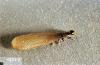
Tineola bisselliella

Pest description and damage Yellow or tan and about 0.5 inch across the wings. Larvae are wormlike and may be encased in a silken tubes. Moths avoid light.

Management

Includes

Cigarette beetle (Lasioderma serricorne)
Drugstore beetle (Stegobium panicum)

Pest description and damage Small (0.1 inch) beetle pests of stored products. May feed on any organic material, including grains, cereals, book binding and pages, and spices.

Management

Image related to Nuisance and household pests-Cigarette beetle and drugstore beetle

Includes

Cheese mite (Tyrolichus casi)
Grain mite (Acarus siro)
Mold mite (Tyrophagus putrescentiae)

Image related to Nuisance and household pests-Cheese mite, grain mite, and mold mite

Dermestidae

Pest description and damage These closely related beetles are about 0.125 inch in length, brown, and oval. They feed on a wide variety of stored products: cereals, seeds, spices, tobacco, dried fruits and nuts, dried skins, feathers, and preserved animal products.

Management
Boisea rubrolineata

Pest description and damage About 0.5 inch in length and dark color with red longitudinal lines on the back. Annoying when they cluster on and migrate into dwellings. Boxelder bug populations vary considerably from year to year depending on environmental conditions.

Management

Western Boxelder Bug

Wood-boring wasp ("horntail")

Siricidae

Adult female wasps are large and thick-waisted, with a hornlike ovipositor at the end of the abdomen. They sometimes emerge from recently milled dimension lumber in newly constructed homes. Emerging wasps damage walls (sheetrock, plaster, wallpaper, etc.) but do not re-infest.

Termites are among the most important structural insect pests in the PNW, rivaled only in certain areas by carpenter ants. They feed on wood, paper, cardboard, and other cellulose-containing material. Experts have estimated that termites cause as much property damage each year in the U.S. as fire (over $5 billion according to the National Pest Management Association).

Image related to Wood-infesting pests-Termite

Beetles are the most diverse group of insects on earth and yet, only a few species are important as structural pests. Given the long duration that beetle larvae feed within wooden timbers, they can cause extensive damage to houses and commercial buildings.

Ambrosia beetle

Platypodidae

Image related to Wood-infesting pests-Beetle

Ants are found everywhere and, like termites, bees, and wasps, are social insects that live in colonies consisting of thousands of individuals. Because they are so numerous, pest management companies rate ants as the number one insect problem they encounter in residences.

Carpenter ant

Camponotus spp.