Brown marmorated stink bug (Halyomorpha halys) Consperse stink bug (Euschistus conspersus) Western boxelder bug (Boisea rubrolineata) Western tarnished plant bug (Lygus hesperus) and other Lygus spp.
Pest description and crop damage This tortricid pest is closely related to and has characteristics similar to the Oriental fruit moth. The larvae feed inside the fruit, often entering through the calyx end.
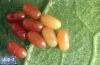
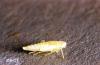
Rose leafhopper (Edwardsiana rosae) White apple leafhopper (Zonocyba (Typhlocyba) pomaria)
Pseudococcus maritimus
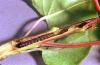
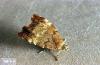
Spilonota ocellana
Pest description and crop damage Adults are greyish moths about 0.5 inch long with a thick white band across each forewing. Mature larvae are chocolate-brown with black heads, and less than 0.5 inch in length. The eyespotted bud moth is principally a pest in Oregon.