Insect Management Handbook

Numerous species including:
Oblique-banded leafroller (Choristoneura rosaceana)
Orange tortrix (Argyrotaenia franciscana)

Pest description and damage The larvae of the orange tortrix are light cream to green with light brown heads and are up to 0.5 inch long at maturity. Oblique-banded larvae are similar in size but are darker green with dark brown to black heads. Both roll leaves and tie them with silk.

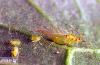
Geranium aphid (Acyrthosiphon malvae)
Green peach aphid (Myzus persicae)

Image related to Geranium (Pelargonium)-Aphid

Family: Aleyrodidae

Pest description and damage Whiteflies are tiny (0.04 to 0.08 inch in length), pure white, moth-like plant sucking insects. They lay tiny black eggs inserted on the undersides of leaves. The nymphs are yellowish and feed by sucking plant sap from the host. Leaves may turn yellow or dry and drop. Lower leaves may be covered by honeydew followed by the sooty mold fungus. Some whiteflies can transmit viruses. Fuchsias are damaged severely by high populations of whiteflies.

Aculops fuchsiae

Pest description and damage Tiny (about 0.01 inch in length), elongated, eriophyid mites infest the growing tips, young leaves, and blooms and cause distorted, twisted, and blistered growth. They are primarily a problem in coastal areas. They are spread by wind, pollinating insects, and birds, and by movement of infested stock.

Steneotarsonemus (Phytonemus) pallidus

Includes potato aphid (Macrosiphum euphorbiae)

Image related to Fuchsia (Fuchsia)-Aphid

Enarmonia formosana

Azalea lace bug (Stephanitis pyrioides)
Rhododendron lace bug (Stephanitis rhododendri)

Image related to Firethorn (Pyracantha)-Azalea and rhododendron lace bug

Oligonychus ununguis

Image related to Fir (Abies)-Spruce spider mite

Choristoneura occidentalis