Insect Management Handbook

Delia brassicae

Pest description, crop damage and life history

See:

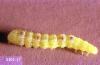
Image related to Collard and kale-Cabbage maggot

Includes

Beet armyworm (Spodoptera exigua)
Bertha armyworm (Mamestra configurata)
Western yellowstriped armyworm (Spodoptera praefica)
Black cutworm (Agotis ipsilon)
Variegated cutworm (Peridroma saucia)
Alfalfa looper (Autographa californica)
Cabbage looper (Trichoplusia ni)

Image related to Collard and kale-Armyworm, cutworm, and looper

Includes

Cabbage aphid (Brevicoryne brassicae)
Green peach aphid (Myzus persicae)
Turnip aphid (Hyadaphis pseudobrassicae)

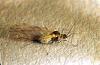
Image related to Collard and kale-Aphid

Limonius spp.

Pest description, crop damage and life history

See:

Management-biological, cultural, tactical

See:

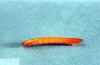
Image related to Chard, Swiss-Wireworm

Includes

Pea leafminer (Liriomyza huidobrensis)
Vegetable leafminer (L. sativae)

Various species

Pest description, crop damage and life history

See:

Management-chemical control: HOME USE

Western spotted cucumber beetle (Diabrotica undecimpunctata)
Western striped cucumber beetle (Acalymma trivittatum)

Pest description, crop damage and life history

See:

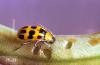
Image related to Chard, Swiss-Cucumber beetle

Epicauta spp.

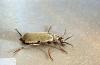
Pest description and crop damage Adults are slender, oblong beetles with a relatively large head and an extenuated neck, often with yellow stripes in some form. Eggs are oblong and yellow. Larvae usually are found in several stages. All stages have three upper body legs. The pupa is a stage of darkening, starting with the eyes. The beetles get their name from a toxin they contain called cantharidin. Even dead insects can cause blisters if handled.

Image related to Chard, Swiss-Blister beetle

Various species

Pest description, crop damage and life history

See:

Management-cultural control

Weed control is important. Lambsquarters and wild mustard attract egg-laying females and provide a source of food for larvae. Fall tillage can help destroy overwintering pupae.

Includes

Bean aphid (Aphis fabae)
Green peach aphid (Myzus persicae)

Pest description and crop damage The bean aphid is dark olive green to black with light-color legs. It is usually more of an early-year pest. The green peach aphid is slender, dark green to yellow, and has no waxy bloom. Green peach aphid infestations may result in wilting.

See:

Image related to Chard, Swiss-Aphid